
Why Brushing Your Teeth is Good For Your Mind
Poor dental health is linked to higher risk of Alzheimer’s disease and other dementias, and mental decline in general
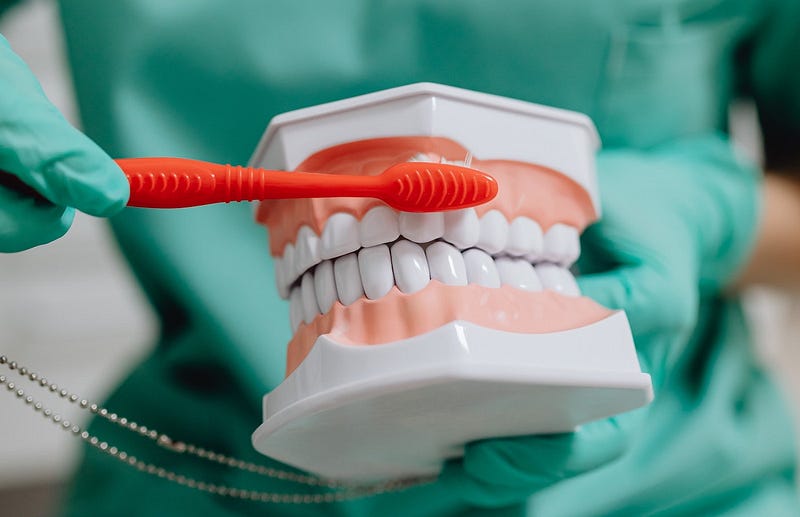
I was shocked a few years ago when our then-teenage son said nobody had ever taught him how to brush his teeth properly. Seriously? Such an important, basic bit of hygiene and my wife and I totally failed to offer sufficient instruction? I kinda wondered if the kid was losing his mind.
He’s in his 20s now, and no signs of early-onset dementia, but I’m glad he did in fact, somehow, learn to brush properly, because bad teeth, missing teeth and gum disease are all linked to increased risk of Alzheimer’s and other forms of dementia.
The latest study, albeit a small one, found that older people with tooth loss or gum disease — measured by the number of millimeters gums had receded from their teeth — had more shrinking in the brain’s hippocampus compared with people who had healthy gums and all their teeth. The hippocampus is involved in memory and is affected by dementia.
The findings, involving 172 Japanese people averaging 67 years of age, were published July 5 in the journal Neurology.
“For people with mild gum disease, the increase in the rate of brain shrinkage due to one less tooth was equivalent to nearly one year of brain aging,” the researchers said in a statement. “For people with severe gum disease, the increase in brain shrinkage due to one more tooth was equivalent to 1.3 years of brain aging.”
“Tooth loss and gum disease, which is inflammation of the tissue around the teeth that can cause shrinkage of the gums and loosening of the teeth, are very common, so evaluating a potential link with dementia is incredibly important,” said study author Satoshi Yamaguchi, PhD, DDS, of Tohoku University in Japan.
What causes what?
Other, larger research efforts have previously established profound mouth-mind links, including with depression. Poor oral health has even been linked to increased risk of heart disease and stroke. It’s not yet entirely clear what causes what, but the prevailing view is that your mouth is a window into your overall health, so much so that overall well-being depends in part on diligent brushing and flossing.
There are some 700 types of bacteria living in your mouth, the front lines of much of what goes in your body. When oral hygiene is bad, some of the bad bacteria begin to attack the gums, causing bleeding that can lead to loose or lost teeth. The good bacteria in your mouth begins to decline as soon as 24 hours after you stop brushing or otherwise taking good care of your teeth, research has shown.
Meanwhile, the link to dementia is strong.
A 2020 analysis of more than 6,000 people found that those with oral infections or gum disease at the outset were more likely to develop dementia during 26 years of follow-up.
A 2021 review of 14 studies involving 34,000 participants found that for each lost tooth, people on average had a 1.1% higher risk of dementia. But those who had dentures that replaced missing teeth did not suffer the increased risk. That suggests…
“Tooth loss can result in problems with chewing that might lead to nutritional deficiencies, chemical imbalances, or changes to the brain that affect brain function,” the researchers concluded. “Also, poor oral hygiene might lead to increased bacteria in the mouth and to gum disease, which can cause inflammation and raise the risk of beta-amyloid plaques in the brain, leading to dementia.”
It’s also thought that tooth loss is more common in lower-income populations and among people with less access to overall healthcare, which alone raises the risk of physical and mental diseases.
But there’s one more twist to chew on in the complex relationship between cause and effect: “As Alzheimer’s progresses, the person with dementia may forget how to brush his or her teeth or forget why it’s important,” according to the Alzheimer’s Association.
Don’t go there
Regardless what causes what, a few minutes of daily mouth maintenance can add sheen to your overall health, experts agree.
Good oral hygiene involves brushing with fluoride toothpaste twice daily and flossing daily to remove food particles and plaque from between teeth. Here are the basics from an in-depth tips page at the National Institutes of Health:
- Use fluoride toothpaste to protect against tooth decay.
- Angle bristles toward the gumline to clean between gums and teeth.
- Brush gently in small, circular motions (don’t scrub back and forth).
- Brush all sides of each tooth.
- Brush your tongue.
- Floss daily.
Oh, and if you have kids, teach them how to do all this correctly!
Your support makes my writing possible. You can sign up for emails when I publish a story, or join Medium to directly support me and gain full access to all Medium stories. — Rob