
Why Bitcoin Is The Future Of Money In Developing Economies.
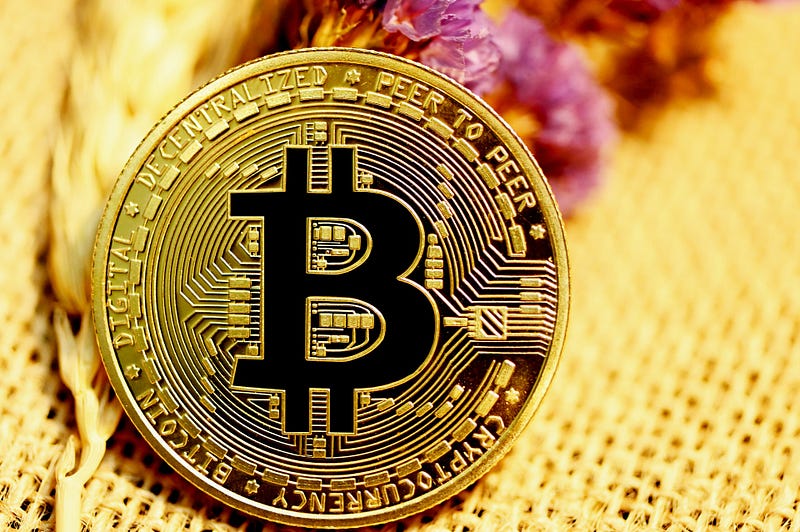
Analysts predict that Bitcoin will be the currency of the future in developing economies.
Bitcoin is rapidly becoming a part of people’s daily lives in underdeveloped nations. With unstable and hyperinflationary national currencies, cryptocurrencies are proving to be a more viable solution to their citizens’ financial problems.
See also: Why Is The Crypto Market So Wild? Factors That Move The Crypto Market.

Here are four reasons why Bitcoin appeals to the public in developing nations:
1 — You Don’t Need Banks
Opening bank accounts and getting credit cards in developed countries is quite simple. But in the developing world, the situation is dramatically different. Credit cards are significantly more difficult to obtain, and opening a bank account is not simple. However, Bitcoin changes everything. You can be your own bank and save your own cryptocurrencies; all you need is a secure wallet to keep your digital currency safe.
Join Coinmonks Telegram Channel and Youtube Channel learn about crypto trading and investing
2 — Rapid, Affordable, and Borderless Payments
You can send any amount of Bitcoin to anyone in the world within minutes using Bitcoin. When sending money through banks, you must pay expensive bank fees and wait several hours or even banking days. But with Bitcoin, as previously explained, you do not need banks to send or receive payments from others. All that is required is their Bitcoin address. Your money should arrive within 10 minutes.
See also: 10 Must Have Cryptocurrencies In 2022.
3 — No one can manipulate Bitcoin.
Governments and banks can dictate the creation and circulation of national currencies, which leads to inflation. Bitcoin, however, is a decentralized virtual currency, unlike conventional currencies. This indicates that there is no central authority that directs the Bitcoin network. Everything has been hard-coded into the ecosystem, and the blockchain technology that underpins Bitcoin cannot be changed by anyone, not even its creator Satoshi Nakamoto.
4 –Bitcoin will assist authorities in apprehending criminals.
Bitcoin, contrary to popular assumption, is not anonymous. Rather, it is pseudonymous money because, although your alphanumeric public keys provide anonymity, computer specialists can determine who owns which wallets and how many bitcoins each wallet holds. Now, the masses who conduct little transactions have nothing to fear. The authorities’ attention is drawn to criminals who move huge quantities of bitcoins. It is on these individuals that they concentrate their studies instead of the millions of others who make minute transactions.


