
Why Big Pharma Needs to Consider the Microbiome Revolution
Every drug gets to microbes first
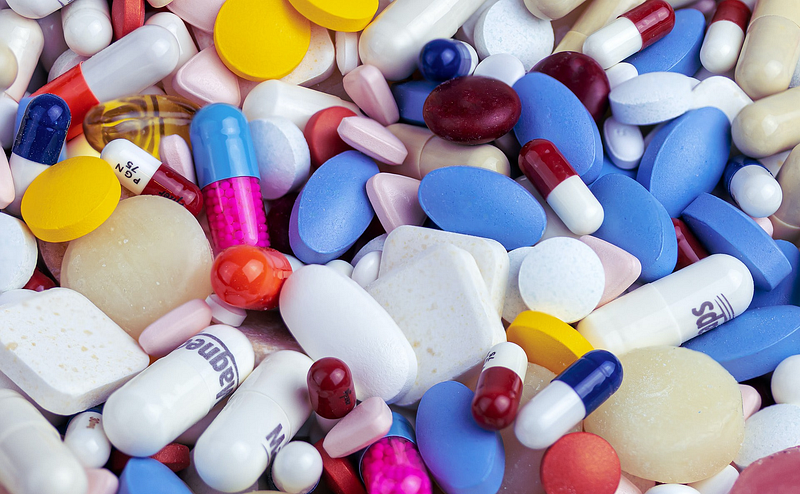
The development of drugs from discovery to phase 1, phase 2, and phase 3 evaluates safety but never took into account the impact of the drugs on the microbiota as a possible side effect.
What Martin Blaser and his research exposed in his famous book Missing Microbes was the inception to more awareness into the long-term impacts of antibiotics, and the broader evaluation of drugs’ benefit/risk balance. He demonstrated that antibiotics treatments, especially at a young age, could increase the risks of disorders later in life, including obesity, diabetes, asthma, celiac disease, Cdiff infection, and certain types of cancers.
Further research screening over 1000 marketed drugs showed that not only antibiotics had an impact on the microbiota, but 24% of all tested drugs, including members of all therapeutic classes, inhibited the growth of at least one of 40 representative gut bacterial strains. This means that a quarter of all drugs could reduce gut bacterial richness, implying a reduction in the gut microbiota resilience - the only consensual marker of microbiota balance or eubiosis. It is assumed that 10% of the inter-individual variations of the gut microbiota composition can be explained by drug use.
Reciprocally, gut microbes affect drugs efficacy. Microbes expressing the enzymes needed to degrade the active molecule of a drug, for example, affect its activity. According to the specific makeout of the patients’ microbiome, the drug can be made more effective, less effective, or even toxic.
Physiologically, the contrary would have been surprising, since what we eat transits through the gut and will thus get to the microbes before it is absorbed into the bloodstream — for better or for worse.
This article reviews a few examples of drugs for which we know the story, to support a better awareness of what the development journey should include in the future for drugs and personalized medicine.
1. Bacterial degradation of Chloramphenicol
As early as 1967, Richard Holt observed the degradation of antibiotic drug chloramphenicol — used for the treatment of eye infections and otitis externa — by certain strains of E. coli. He highlighted that these strains totally inactivated the drug, and worse: that the absorption of the byproducts of this degradation by the treated patients might lead to toxic depression of their marrow.
How can this knowledge be leveraged?
The parenteral route should be preferred to the oral route to prevent the interaction with gut microbes. Alternatively, an additional antibiotic could be co-administered to target all clinical strains of E. coli — possibly Neomycin.
2. Digoxin and Eggerthella lenta
It’s been almost 10 years that the mechanism through which gut microbe Eggerthella lenta inactivates the cardiac drug digoxin — a drug used for a very long time to treat heart failure and arrhythmias — is fully elucidated, and over 50 years since Hermann and Repke proposed that digoxin might be catalyzed by the gut microbiome. It took till 1983 to identify the culprit.
E. lenta can chemically reduce digoxin in vitro, to a non-active form. This ability seems linked to a gene called cgr which is not always expressed — there can thus be strain-specificity in the inactivation power.
How can this knowledge be leveraged?
When E. lenta was grown in presence of arginine, it decreased the expression of cgr, preventing the conversion of digoxin into the inactive dihydrodigoxin. A high-protein diet, in mice, suppressed digoxin reduction by E. lenta. This high-protein diet, or a supplementation in Arginine more specifically, could thus be a recommendation to accompany digoxin treatment.
Another way is to aim for personalized medicine. When putting a patient on digoxin, a gut microbiota test could be performed to evaluate the abundance of E. lenta and allow for a better dosage rationale.
3. Levodopa and Helicobacter pylori
Levodopa is the primary drug for the treatment of Parkinson’s disease. To be effective, L-dopa must enter the brain and be converted to dopamine. However, the gut is also a major site of L-dopa decarboxylation — but when the transformation is done there, dopamine can’t cross the blood-brain barrier, and can cause unwanted effects in situ.
Helicobacter pylori was significantly associated with a decrease in levodopa absorption. A mechanism implicated could be the binding between Levodopa and H. pylori, leading to a reduction of unbound levodopa available for absorption.
More recently, combinations of strains converting levodopa into its inactive form were identified — with a first part of the conversion exerted by Enterococcus faecalis, impeding the drug from accessing the brain, followed by another transformation performed by Eggerthella lenta, leading to side effects.
How can this knowledge be leveraged?
Eradication of H. pylori led to an increase of about 21 to 54% in levodopa absorption.
Broad-spectrum antibiotics improve the effectiveness of L-dopa therapy, although these drugs can also come with their sets of side effects.
Because a lot of bacteria (including L. brevis, E. faecalis, E. faecium) carry the capacity to decarboxylate levodopa, the screening of such traits could become a safety parameter for the development of probiotics, especially when destinated to an aging population. This was taken into account for example by Probiotical when selecting probiotic strains that could serve as adjuvants to Parkinson’s Disease treatment.
4. More examples
A great review by Hannachi and Camoin-Jau published last year lists the known bacteria-drug interactions and their consequences. Here are the key findings, beyond those exposed above, recapitulated:
- Sulfalazine is cleaved by bacteria possessing azoreductase enzymes
- Warfarin’s effect is weakened by the activity of Bacteroides, Escherichia-Shigella and Klebsiella and intensified by Enterococci
- Cyclophosphamide is enhanced by Enterococcus hirae, Lactobacillus johnsonii and Lactobacillus murinus
- CTLA-4 checkpoint inhibitors are enhanced by Bacteroides fragilis
- Anti PD-1 are enhanced by Akkermansia muciniphila, Collinsella aerofaciens, Enterococcus faecium, the Ruminococcaceae family, and Bifidobacteria
- Irinotecan and NSAIDs, when processed by opportunistic enterohepatic bacteria possessing beta-glucuronidase enzymes, produce toxic metabolites responsible for diarrhea and mucosal damage in the small intestine.
Conclusion
The term pharmacomicrobiomics, first used in 2010, stems from the completion of the human genome sequencing and the first insights from the Human Microbiome Project. It was proposed as a new branch to understand differential responses between humans to several drugs based on microbiota and microbial interactions with drugs.
The advance in diagnostics tools and metagenomics approaches leads to a fast development of the understanding of interactions between drugs and gut bacteria. This knowledge will allow for a better screening of responders and a broader set of tools to optimize the efficacy of prescribed treatments based on a personalized approach. Probiotics, prebiotics, diet, fecal microbial transplant, antibiotics and dose rationalization for example can be used to craft the most effective treatment for each patient.
When interactions with gut microbes are elucidated, the drugs’ prescription guides should warn healthcare professionals about the caution needed and provide the required information for a better control of the drug’s safety and efficacy.


