Why Berlin Might Become Europe’s Greatest City
In many ways, it is Europe’s most bizarre capital. Over the next few decades, it could become the most important.
Germany is Europe’s most important country. It is the most economically powerful country on the continent, a heavyweight in political and humanitarian affairs, and the EU’s most populous country.
Yet its capital city, Berlin, is a bit of a disappointment. Despite its urban sprawl, it boasts quite a small population for the capital of such a big country — significantly lower than Istanbul, Paris or London.
It’s also quite poor for the capital of such a rich country — until 2018, Berliners were actually poorer than the national average. That means that Berlin was in the extraordinary position of being a capital city that dragged down the rest of the national economy. Even now, many big cities in Germany (Munich, Hamburg, Frankfurt, Stuttgart etc) are richer than Berlin.
Nevertheless, like virtually all capital cities, Berlin has a dream to sell. London and New York brand themselves as the financial rulers of the world; Paris sees itself as a leader in fine dining, high fashion and elegant architecture; Berlin, by contrast, is known for the tagline “poor but sexy”.
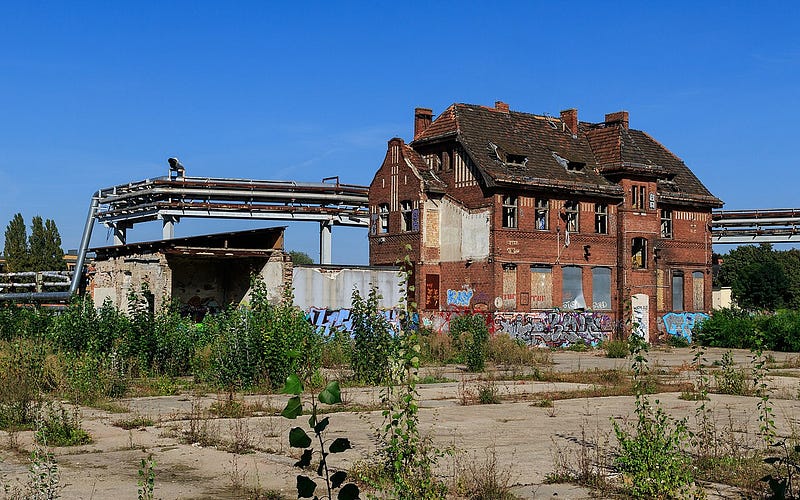
You don’t move to Berlin to get rich or live in a fairy-tale; the unemployment rate is higher than most German cities, and much of the city is quite run-down and post-industrial. Yet young Germans do want to move there — and by understanding why, it becomes clearer that it’s a city with an exciting future.
You can’t understand any big European country without delving a little into the history, and that’s especially true of Berlin. Thankfully for us, the relevant history is quite short.
Berlin was a backwater until the 1600s, when it became the capital of the Kingdom of Prussia. It became a moderately important Enlightenment centre in the 1700s, then saw quite considerable growth in the late 1800s as a centre of the Industrial Revolution as the capital of the German Empire (Germany only became a unified nation in 1871).
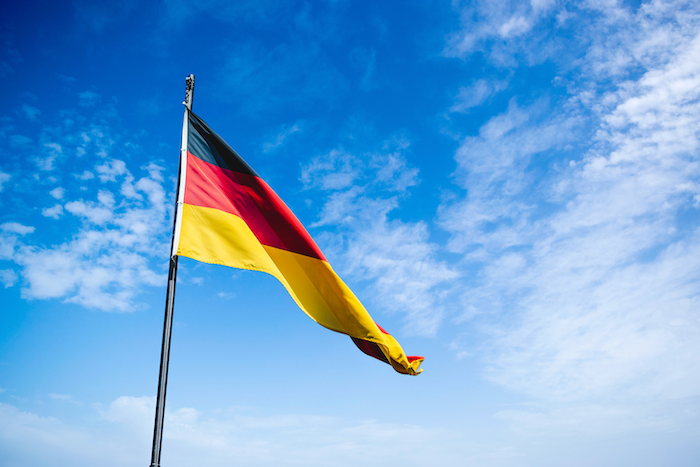
But things got really interesting after World War I, in the 1920s. While Germany in the 1920s is best remembered for the legendary hyperinflation at the beginning of the decade, the 1920s were Berlin’s golden age. The city effectively doubled in size when the Greater Berlin Act annexed a number of surrounding towns and villages, helping turn Berlin into the world’s 3rd largest city.
It became emblematic of a new progressive, exciting, even decadent culture. In a country previously famous for gingerbread houses and castles nestled in forests, 1920s Berlin became a hub of art (the Bauhaus movement), film (Fritz Lang, Nosferatu), theatre (Bertolt Brecht), science (Albert Einstein won his Nobel Prize in 1921 while living there), and philosophy (Carl Jung).
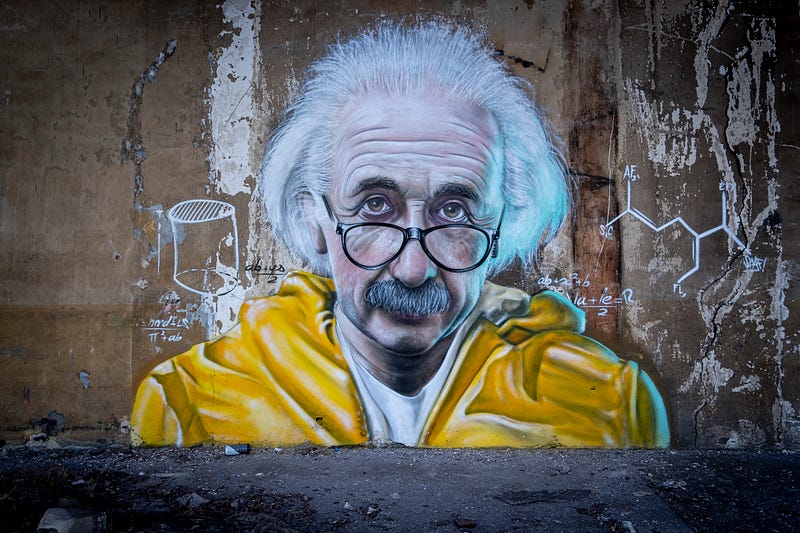
Following the horrors of the Great War, Berlin’s ballrooms, bars, jazz clubs and cabarets became renowned worldwide. It was also one of the world’s most progressive cities, home to over 100 gay bars (something difficult to imagine in many modern European capitals).
Berlin had strong socialist and communist factions, as well as a huge Jewish community; unsurprisingly, Hitler and the Nazis were never as popular in the capital as they were elsewhere in the country. Nevertheless, Berliners would pay a harsher price than most for Hitler’s crimes.
In the final years of the war, Berlin was bombed to oblivion as the British and American air forces began to overrun Berlin’s considerable air defences. Allied and Soviet forces eventually occupied the city, committing mass rape and other forms of torture as they did so. In the late 1940s, many Berliners battled starvation and disease while the survivors (many of them women) went about rebuilding the city.

In 1948–49, Berlin was partitioned between the Allies and the Soviets. East Berlin became the capital of a Communist dictatorship and was forced to build history’s most notorious wall to stop citizens from fleeing.
Things weren’t quite as bleak in West Berlin, but it still suffered from being an exclave, totally cut off from the rest of West Germany. Unlike East Berlin, West Berlin was not a capital city. It received an exemption from West German conscription laws, so many young men moved there to avoid the draft, contributing to the city’s reputation for counter-culture.
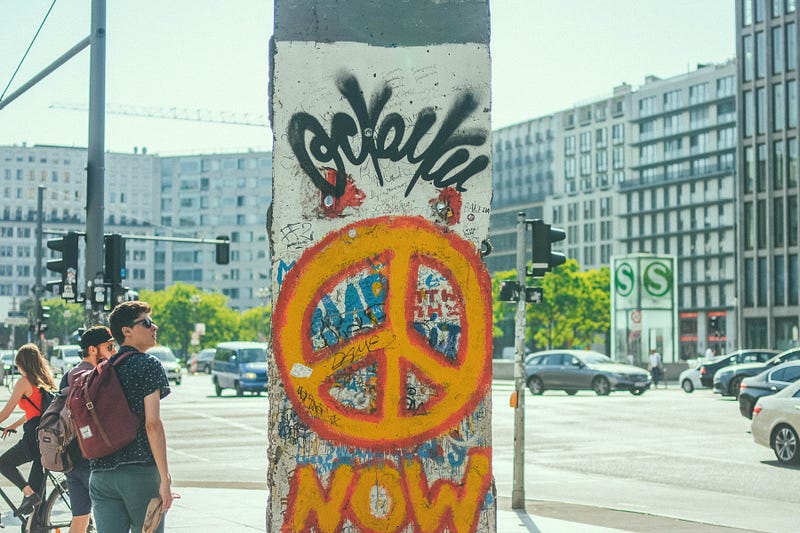
When the Wall finally came down, Berlin once again became the capital of a unified Germany — but this time it was more notable for urban decay than for imperial grandeur. Today, Germans associate Frankfurt with finance and Munich with automobile manufacturing, while they associate Berlin with tattoo parlours, shisha bars, kebab shops and homelessness.
But the flip side to being poor is that (until recently), Berlin was cheap. It was a big capital city, with all the excitement that entails, where you could rent an apartment for about the same price as you would pay in much smaller, duller cities.
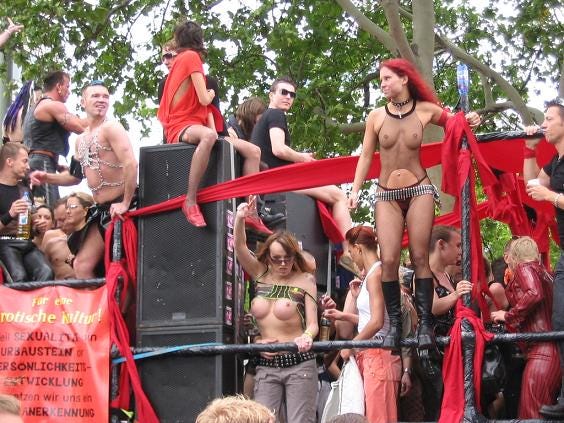
And Berlin is an exciting place. Berliners mightn’t drink as much mid-week as Brits, but Berlin’s weekends are famous for their grungy techno clubs, sex and fetish parties, and a thriving drug scene. For those with more mundane tastes, there are plenty of live music events, food festivals, protests, parks, comedy clubs and universities. It’s also the obvious place for LGBT+ young Germans to move to.
Looking at all of this, what are we to make of Berlin’s future? My guess: Berlin will become a bigger, richer, more important city in the coming decades.
While Berlin was the 3rd city of the world in 1920, behind only London and New York, any glance at rankings of important cities will tell you that it isn’t seen the same way today.
The Globalization and World Cities Research Network, a think tank which evaluates the economic significance of “global cities”, rates London and New York as “Alpha ++” cities, whereas Berlin is labelled as a mere “Beta +” city, on par with Bucharest and Lima, but behind Manila or Warsaw.
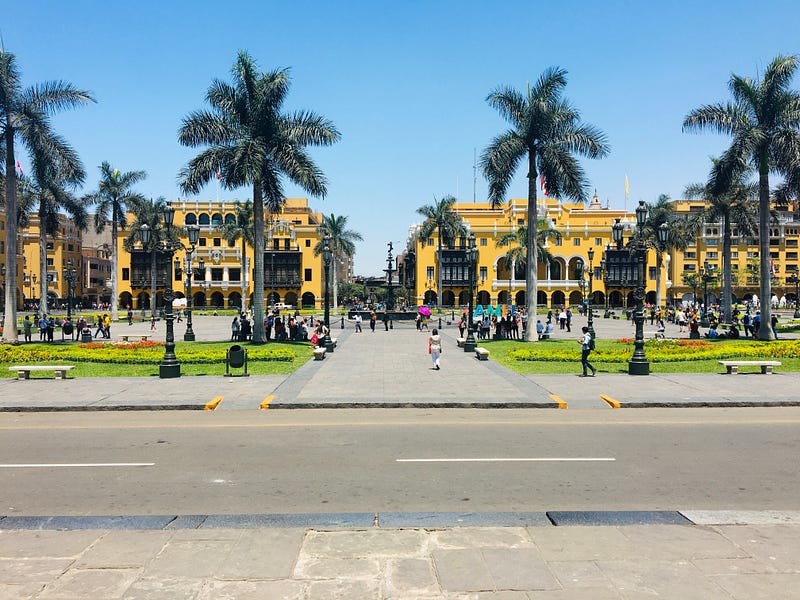
ING Media, a British communications firm, evaluates the most-talked-about world cities to determine which have the most powerful brands. 5 European capitals make the top 10: Paris, London, Barcelona, Rome, and Madrid. Berlin, of course, isn’t close.
A fair rebuttal would be that think tank nerds and corporate slaves working in PR aren’t cool enough to evaluate the charms of a city like Berlin, or that Berliners, who love privacy and underground things, simply don’t want to be talked about. Those are fair points, and I’m sympathetic to them; I’m not sure that Berlin will become better or more exciting as it becomes more like London or New York.
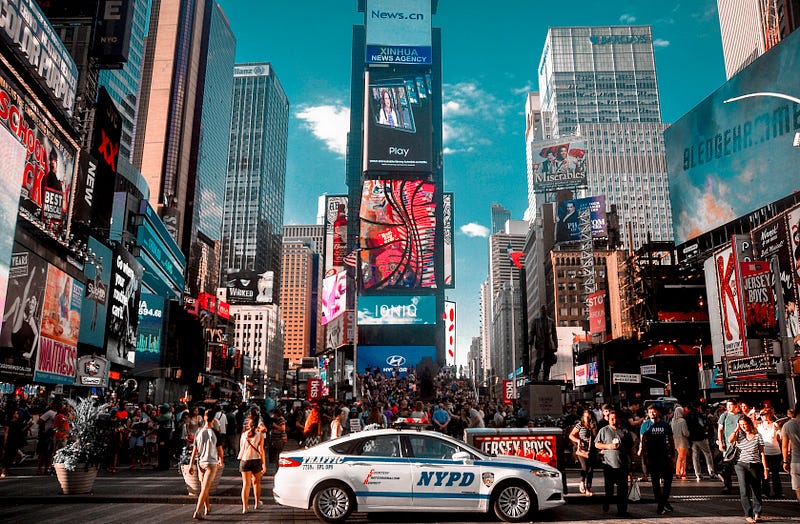
But for better or worse, it’s going to happen.
Berlin has been getting more middle-class (and more expensive) for many years. At some point, we should expect it to catch up with other major German cities, which will of course involve it catching up with London or Paris too, since Germany as a whole is richer than France or Britain.
And as Berlin becomes richer, it will become bigger. People chase money, and while it has grown considerably larger without having any of it, it will become an even more obvious place for young Germans to move to when it is not only the biggest and most cosmopolitan city in the nation, but offers interesting and lucrative jobs too.
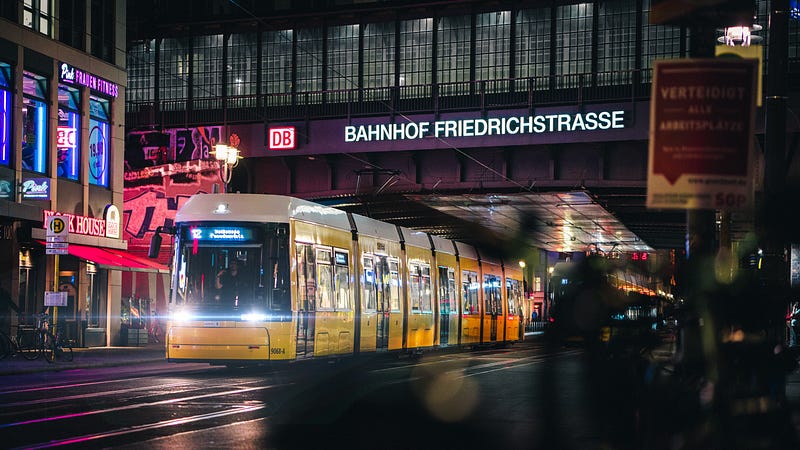
Germany in general is expected to suffer economically in coming years with the disappearance of the cheap Russian gas that fuelled German heavy industry — but Berlin, which is a service-dominated economy with plenty of tourism, universities and civil servants, is likely to be less directly impacted than more traditional manufacturing cities in Germany’s industrial heartland.
Berlin growing bigger is almost inevitable, but what sort of big city it becomes is still anybody’s guess.
If it continues on its current course of unplanned gentrification, it will become a more boring city, and lose much of the character that its residents treasure so much. The street artists and bedroom music producers will be priced out, and it will become a playground for the rich.
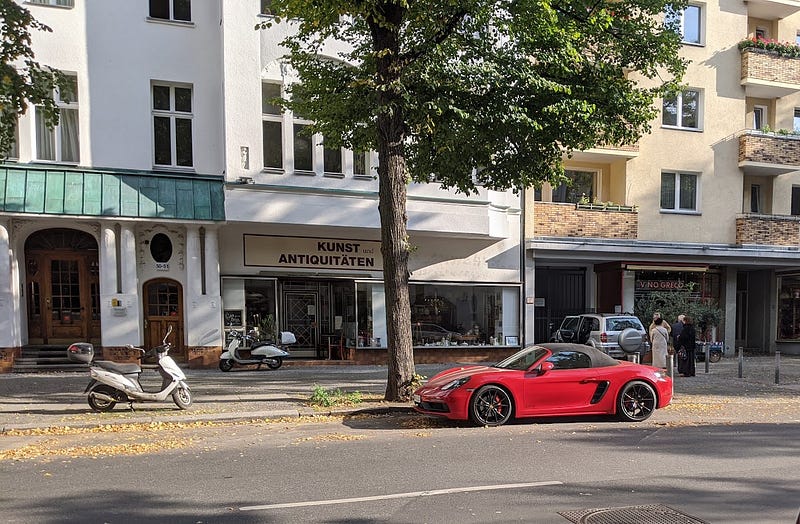
But if Berlin plays its cards right, it could be something much more special. By getting housing policy right and solving its rental crisis, it could remain a city where anybody with a free spirit can afford to live. Like in the 1920s, Berlin could be big and important while also being artistic and hedonistic.
Berlin’s authorities are notorious for incompetence, well-exemplified by the 10-year delay in building Berlin Brandenburg Airport; one of the worst education systems in the country; high unemployment; a refugee crisis; high crime; and one of the highest debt loads in Germany. I’m not optimistic about the management of the housing crisis.
But over the past 100 years, Berlin’s identity has managed to survive Nazism and Communism, bombings and famine, occupation and partition. Hopefully, it can also survive success.