
Why Beauty Filters Might Be Ruining Self-Confidence & Mental Health
That app or high-res phone camera may be doing you a disservice
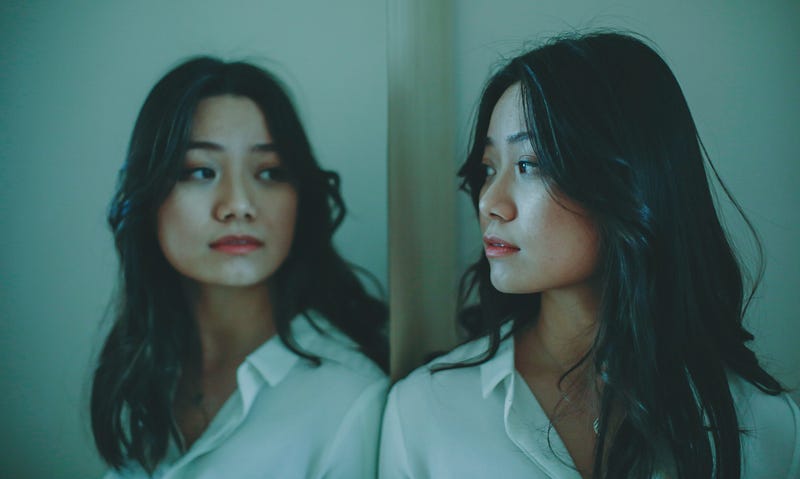
My looks and overall appearance have been the least of my concern for most of my life, as far back as I can remember. Naturally, as a result of that, I also don’t give two hoots about how good I look in a picture or if the camera is capturing me from the right angle that makes me look the best I can.
However, having met a few friends and family members recently and having clicked a few different pictures — selfies and regular ones, I’ve suddenly realized that most people are aware of their “best angle” or their “ideal lighting” or the “perfect pout” or other such nuances that make them look best on camera.
There are others who would only prefer using a certain phone’s camera because that has the best in-built “beauty filter” which makes them look flawless.
I wasn’t even fully aware until recently that most phones and now even the most common apps and software, such as Zoom, come with “beauty filters” or “beauty modes” that make you look good, no matter what.
While apps and camera/phone makers thrive in this new craze to look good on social media, there’s so much that is wrong with this trend, and it is the perfect recipe for disaster when it comes to self-confidence, especially in the case of young minds, who are increasingly the biggest social media users.
Unnatural and Unmatchable Beauty Standards
The trouble with technology today is that most phones and apps come with beauty filters that are almost a default setting. I noticed this recently when some of the pictures taken by a friend on a phone clearly made us all look way better than we actually looked.
While it seems like a great service, to touch up a picture automatically, and make you look good, there’s a big problem that lies beneath.
When we look at ourselves in these pictures that look amazing, we subconsciously set a benchmark for ourselves — a standard that we compare ourselves against. And the next morning, when we look in a no-filter regular mirror — that look doesn’t match those standards.
This leads to low self-esteem and a tarnished self-image because we are trying to match standards that are artificially set at levels that are unmatchable.
Reality vs. Perception Mismatch
The good thing about social media is that it has expanded the reach of people and shrunk the world. Anyone, anywhere in the world can connect with anyone else, just about anywhere else in the world.
However, the image that most of us have in the virtual world is often quite different from who we are in the real world.
Let’s take the example of an imaginary Tinder date. You put up your best pictures on your Tinder profile — most of them intentionally or intentionally touched up with the best of filters, and match with this perfect person with who you’re excited to go on a date.
However, when you meet them in person, there’s a visible disappointment that you notice just by the way they behave. They were all complimentary of your looks and flirty when you were chatting, but that enthusiasm seems to have died down in the real date. You wonder why?
You conclude it must be something to do with your looks and get really upset with the fact that you just don’t look good enough.
The reality is that it isn’t your looks that are an issue — but it is the perception vs. reality mismatch. The other person built an image of you based on the unreal pictures they saw — and is now comparing the real you to the “beautified” you. There’s no way you can match that. Had they seen the real you at first, they probably would have liked you just as much — and that liking would have been rooted in reality vs. fantasy.
Encouraging Unhealthy Stereotypes
The moment some of these filters naturally “lighten” and “smoothen” your skin tone in their beautification process, they’re giving birth to discriminatory mindsets in people’s minds.
A lighter skin tone is better than dark skin, smooth skin is what everyone should strive for.
We’re all born with natural differences, and that’s something we must embrace. We’re constantly striving towards a certain set definition of “beauty” that is so inherently non-inclusive that we need to get rid of it. Slimmer or fairer or smoother shouldn’t always be set as the threshold of beauty.
Beauty does truly lie in the eyes of the beholder and we must not seek to define it in ways that exclude a large part of the broader population which is truly diverse.
Stripping People of Individuality
South Korea has the dubious distinction of being a country with cultural beauty standards that often define a very specific type of facial structure and form as the definition of beauty.
While this fact is often exaggerated and overstated by the media, and it is probably not as bad as it is touted to be, it still remains true that South Korea has the highest number of cosmetic surgeries per capita.
Quite the same way, these beauty filters apply the same cosmetic adjustments and changes to every face based on an algorithm and strip people’s faces off their individuality and personality.
This is akin to humans being produced in a cookie-cutter manner, something that none of us would want to sign up for. The real beauty in humans is that each of us is unique in our own way, and that is something we must not lose. Take a look at the most famous Instagram influencers in terms of beauty, and you’ll start to see how quickly they all start to look and sound the same because one accepted “standard” of beauty influences the other and starts an unwanted domino effect.
That isn’t the kind of impact you want on the minds of young minds that are constantly consuming what social media throws at them.
Beauty filters here are only a small example and in some ways even a metaphor for the various artificial, and often unsustainable effects that technology and social media are having on our lives, and we must be consciously mindful and aware to not let these adversely affect our regular lives — and most importantly the mental health of our and future generations.


