
Why Are Women Obsessed With Wearing High Heels
The history of the classic heeled shoe
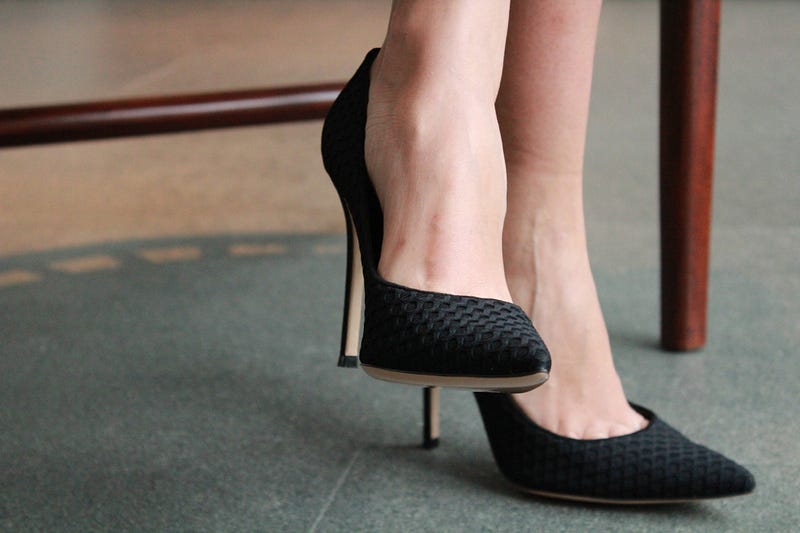
High heels. A women's fashion statement as old as time itself… or maybe not.
In todays world, no matter how progressive it seems, we still deem high heels a women's shoe. Made to make us feel powerful, feminine, classy, bold or whatever way it is painted in the media that week.
The reality is, high heels were originally made for men for practicality reasons and as a way of showing social status. Lets take a look at how a shoe once worn by men to appear of higher social status and superior to their compatriots, is now almost solely worn by women and deemed as a ‘feminine shoe’.
This is the timeline of the classic heeled shoe
The 1500s
High heeled shoes originated from a place of practicality. They were originally discovered by Persian soldiers to help their feet stay in the stirrup while horse riding so they could shoot their bows and arrows with better balance and greater ease.
High heels soon became the norm for Persian horse riders, on and off of their horses because owning horses was a sign of wealth and power, and wearing heeled shoes signified this.
Heeled shoes were brought to Europe and introduced to European rulers by Persia’s Shah Abbas, who had the largest cavalry in the world at that time. The aristocracy of Europe saw these heeled shoes and adopted them for themselves because they saw them as a symbol of power and masculinity. It was even deemed that the higher the heel, the more powerful and important the wearer was.
Women also began to wear high heels at this time for their practicality. They were called ‘chopines’ and were used as ‘outer shoes’ to shield women's actual shoes from the dirt. The shoes made from either metal or cork were particularly popular in Spain and Venice in Italy. Interestingly high heels were more popular amongst prostitutes at the time. These chopines were quite tall, measuring up to 20 inches in height, bear in mind, the average stripper’s heels now, which are notorious for being very high, are only 7 inches. Just like men's shoes at the time, the height of the heel corresponded directly to the woman's place in society.
The 1600s
One of the most famous wearers of heels was King Louis XIV of France who stood at five-foot-four. He wore heels to appear taller and more powerful in court and even passed a law stating that only nobles could wear heels to ensure the prestige of the shoe.
Portraits of the royal show his heels were dyed red; an expensive pigment to emphasise his superior social status. He also enforced a rule banning anyone without red-soled shoes from entering his court. It was from this symbol of luxury and prestige that the famous French footwear designer, Christian Louboutin, drew the inspiration for his red soled heels.
The 1700s
Through the 18th century, high heels became increasingly gendered, with women's heels becoming higher, narrower and more ‘delicate’ whereas men’s high heels became broader and sturdier. In fact around 1730, men stopped wearing high heels altogether because of their perceived femininity.
The French Revolution against the aristocracy in 1789 put an end to the royal’s usage of male heels. It also brought about the definitive end of common men wearing heels because of their newfound distaste of royalty and everything associated with it.
The 1800s
Heels made a come back in the Victorian era for women. Now deemed as a feminine shoe, high heels became the ultimate expression of a woman’s sophistication and femininity. The launch of the sewing machine in 1846 meant that the upper part of the shoe could be neatly stitched to the high heel’s soles, creating a gently curved instep that represented femininity
The media also played a role in the style of European women at the time in the form of ‘French Postcards’ (postcards in which a nude woman, positioned like a classic figurine, was photographed in heels). This sparked the idea that high heels were sexy and they became very trendy. Short, two inch, blocky heels became the shoe of choice.
The 1900s
Suffrage movements and the fight for women's rights meant that heels in the beginning of the 20th century were flatter and more practical due to the demand for more comfortable shoes. Heels stayed under 2 inches for the most part until the 1920s where fashion was prioritised over practicality again. The revival of heels in the “roaring 20s” was due in part to the bold fashion that called for even bolder footwear.
The Great Depression in the 1930s and World War II made the popularity of high heels fall due to the increased need for a low, wide and more practical shoe. Luxury and high fashion were the least of people’s concerns at that time.
High heels didn’t emerge again until the 1950s when fashion designers, such as Christian Dior, arrived on the scene. With these designers came the establishment of the fashion industry which has and continues to flourish to this day. It was Dior’s collaboration with Roger Vivier, a French shoe designer, that the pointy-toe stiletto heel could be accredited. More and more high heeled footwear designs could be seen in shops and the arrival of big Hollywood stars such as Marilyn Monroe and Audrey Hepburn who wore these stiletto heels on and off set, made the high heeled shows very popular. The stiletto heel completely took over female footwear fashion during the 1960s.
With the arrival of the 1970s, came the end of the stiletto era which gave way to the chunky, platform heel, worn by both men and women. Designers like Manolo Blahnik brought the return of high heels in the 1980s and 1990s where heels and trendy shoes were brought to the catwalk, to Hollywood and eventually to every woman.
Modern-Day
Today high heels are in abundance, with an endless amount of choice out there. They are still seen as a feminine shoe today with the likelihood of seeing a man wearing high heels being slim to none. High heels are no longer as exclusive and prestigious as they used to be with the average pair from Primark costing a mere €14.
Conclusion
Originally created and worn by men and now almost exclusively worn by women, high heels have gone through many phases and eras.
They portrayed many different things throughout the different eras from masculinity and power to prestige and royalty to femininity and sex appeal.
High heels have a long history and there is nothing to suggest that they wont have an even longer future, which begs the question, what do they represent now?
The media seems to paint a different picture for high heels every week from something women should avoid because of their sexist past, or the next week, something we should embrace and ‘reclaim’.
Remember the next time a headline pops up in your feed about high heels, that they have a long history and they have portrayed more than just one thing in their lifespan. Don’t limit them or what they can portray because they have done it all in the past and they will do it all again in the future.


