Why Are Western Politicians Defending The Genocide And War Crimes Being Comitted By Zionist Israel? Why Do Zionist Jews Accuse Even Jews Who Support Palestian Self Determination And The Two State Solution Of Being Anti- Semites When This Is A Lie Clearly Being Used For Political Purposes?
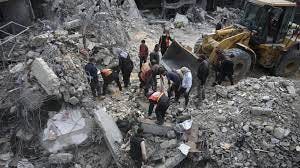
The situation in Israel and Palestine is complex and deeply entrenched in historical, political, and religious contexts. It’s important to approach discussions about it with sensitivity and an understanding of the diverse perspectives involved.
Regarding the question about Western politicians defending Israel, there are a few reasons why this might occur:
- Historical ties: Western countries, particularly the United States, have long-standing political, economic, and military ties with Israel. These relationships often influence their stance on issues related to Israel and Palestine. However, historical ties should never be unconditional?
- Strategic interests: Israel is seen by many Western countries as a strategic ally in the Middle East, particularly due to its military capabilities and intelligence sharing. This can lead to political support even in the face of criticism or controversy.
- Shared values: Some Western politicians may view Israel as a fellow democracy in a region where democratic principles are not as prevalent. They may therefore be inclined to support Israel’s right to defend itself, especially against what they perceive as existential threats.
- Influence of lobbying groups: Pro-Israel lobbying groups wield significant influence in Western politics, particularly in the United States. Their advocacy can shape public opinion and influence policymakers’ decisions. In other words money talks?
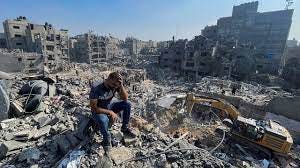
Regarding accusations of anti-Semitism against those who criticize Israel, it’s essential to distinguish between legitimate criticism of Israeli government policies and actions and bigotry against Jewish people. Criticizing the policies of the Israeli government or advocating for Palestinian rights does not inherently equate to anti-Semitism.
However, there have been instances where criticism of Israel has crossed the line into anti-Semitic rhetoric or actions, such as invoking harmful stereotypes about Jewish people or denying their right to self-determination. It’s crucial to condemn such bigotry while also promoting constructive dialogue and understanding of the complexities of the Israeli-Palestinian conflict.
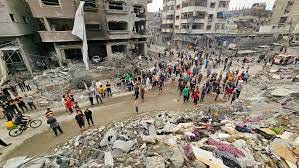
The Very Person Who Wrote The Defination Of Anti-Semitism Has Stated That Criticising Israel Is Not Anti-Semitic And Was Never Designed To Be Used To Silence Criticism Of Israel? Further More Some People Have Been Killed For Voicing Concerns About Israel’s Actions In The Middle East?
It’s true that the International Holocaust Remembrance Alliance (IHRA) definition of anti-Semitism, which has been widely adopted by governments and organizations around the world, includes examples of anti-Semitic behavior, some of which involve criticism of Israel. However, the IHRA has clarified that the definition is not intended to stifle legitimate criticism of Israel or its policies. Instead, it aims to provide guidance on identifying and combating anti-Semitism in its various forms.
Criticism of Israel, like criticism of any other country, is a legitimate part of public discourse and should be protected as free speech. It’s essential to distinguish between legitimate criticism of Israeli government policies and actions and expressions of anti-Semitism, such as invoking harmful stereotypes or denying the Jewish people’s right to self-determination.
Unfortunately, there have been instances where people voicing concerns about Israel’s actions in the Middle East have faced harassment, intimidation, or violence. These attacks on free speech are concerning and should be condemned unequivocally. All individuals should feel free to express their views on complex geopolitical issues like the Israeli-Palestinian conflict without fear of reprisal.
It’s crucial for societies to foster environments where diverse perspectives can be heard and debated respectfully, even when opinions differ. Open dialogue and engagement with differing viewpoints are essential for promoting understanding, empathy, and ultimately, progress toward peaceful resolutions of conflicts like the one between Israel and Palestine.
I realise this is a sensitive issue where there are many oppinions for and against what is happening in the Middle East. However, when civillians are deliberately targeted and called terrorists for trying to liberate their country from domination and military rule, and denial of human rights, making them second class citizens then these actions are bound to raise conserns by people with human feelings? Surely Palestine also has the right to defend itself, not just Israel?
Stephen Vincent.
https://rewire-your-brain.co.uk