
Why Are the Hornets and Wasps So Bad This Year?
Climate change might be the reason we have more nasty fliers.
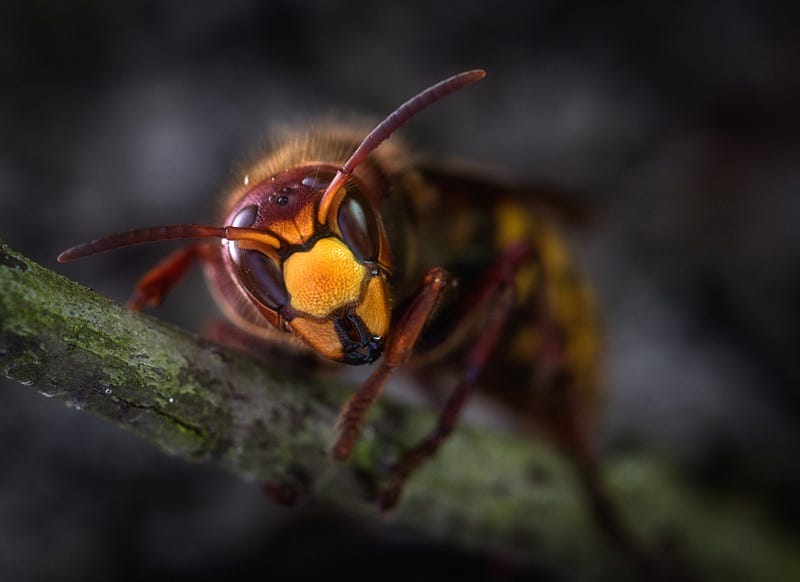
Have you noticed large amounts of wasps where you live? You’re not alone. Many places are reporting vast numbers of these hated insects. It feels like they are ruining the outdoors for everyone else.
So many people are getting stung by wasps and hornets this year that some of us are afraid to go outside. I know three people that were stung severely enough to need to get medical help.
When I go into my yard, I can hear the buzzing of hundreds and hundreds of hornets. There are a few bumblebees and honeybees, but mostly, there are hornets all over every surface. They hover around in your face and even land on your arms. Don’t take food outside unless you want to share with a few hornets, either.
For someone allergic to them like I am, it’s nightmare fuel. Studies have found that these insects are vital to the environment, but that doesn’t mean they don’t scare me sideways.
So what is going on? Why are there so many of these dreaded flying nasties?
Easy Winters, The Drought, and Mild Spring Weather
Hibernating queens have it easier when temperatures don’t drop too low over the winter. More of them survive and emerge into the warm spring air.
The beginning of the year was also warm and mild. The drought is hurting the plants and causing forest fires, but it’s good news for wasps.
It’s a lot harder for the queen to get established when her nest gets flooded out by spring rains. Another danger to her is a killer frost at the beginning of the season— which we definitely didn’t get.
With low rainfall and warm conditions, more of them than usual could start nests and lay eggs. This resulted in a bumper crop of the little menaces. Climate change is helping out the hornets and wasps.
Since hornets and wasps are predators and scavengers as well as pollinators, they don’t suffer as much as everything else when the plants don’t grow. They switch from vegetarian pollinators to meat-eaters and live off of other insects.
As The Summer Winds Down, They Get Hungry and Stupid
Now we are in that part of the year where these wasps and hornets are getting desperate for resources. Besides killing other insects, they look at anything you want to eat too. Fruit, sugary drinks, and barbequed meat seem to be their favorite meals.
Also, their nests are quite large by now. That means that they will tend to be more aggressive and might go after you if you disturb them with any of these actions:
- Slamming a door
- Walking on a wooden deck that the nest is built on
- Mowing or weed whacking near the nest
- Daring to exist near them
Anyone Could Become Allergic to Bees
Bees kill way more people per year than snakes and bears together.
Statistics show that around two people a year in the United States might die from a bear attack. Around 5 people or so could die from a snake bite. So bees, hornets, and wasps win this battle. They kill almost 50 people a year.
If you’ve never been stung, you don’t know if you have a bee allergy. About five percent of people stung by bees, wasps, or hornets will have an allergic reaction requiring medical attention. The rest will have a localized reaction that isn’t life-threatening.
But the more times you get stung in your life, the higher the chances climb that you will develop an allergy. It’s cumulative. I was stung quite a few times before I became allergic.
If you know you’re allergic, you should own and carry an Epipen to administer if you get stung. It could save your life. Antihistamine tablets like Benadryl can help too.
Suppose someone with allergies does get stung and uses an Epipen. It’s important to remember that this is a temporary medication. They need emergency help as soon as possible. Take decisive action immediately.
Can You Avoid Getting Stung? Maybe
These insects aren’t out looking for you in specific; they only sting if you appear to be a threat.
People often get stung because they are by a nest of hornets, and they start making loud noises or vibrations. My son was stung in the face because he slammed a door on a shed that hornets built a nest on, and he stirred them up with a loud bang.
Many yellow jacket nests found in wilderness areas will be hanging on trees or built in the ground. If you go bushwhacking, you run the risk of finding a nest. I accidentally stood on a nest in the ground and was stung 5 times. This adventure sent me to the hospital with an allergic reaction. The hornets were also not amused.
Minimize your chances of getting stung:
- If you see a nest, leave it alone. Just move away slowly.
- Don’t swat at bees. You might get them stirred up and aggressive, and they will defend themselves.
- Avoid strong perfume or scents that might attract insects.
- Keep food covered up, so they don’t land on or in it. Many people have been stung on the lip after a bee crawled inside a soda pop can opening and couldn’t get out or inside of a glass or cup.
- Meat and other foods will attract hornets and wasps too. I’ve seen them land all over fried chicken, to the point that we had to leave the area.
Cooler Weather Will End Their Reign of Terror
Not long from now, the bees, hornets, and wasps will be wrapping up for the year. The queen will leave the nest and find a place to hibernate, leaving her minions to die off slowly. She won’t re-use the nest.
There’s no need to wait for that to happen, though. Take precautions, but don’t let them take all the fun out of your summer by hiding indoors.
Everyone, bee careful out there!
Resources:
- Stinging Insects 101 — How to identify the pest, the nest, and the threat
- DIY: Removing Wasp Nests