Summary
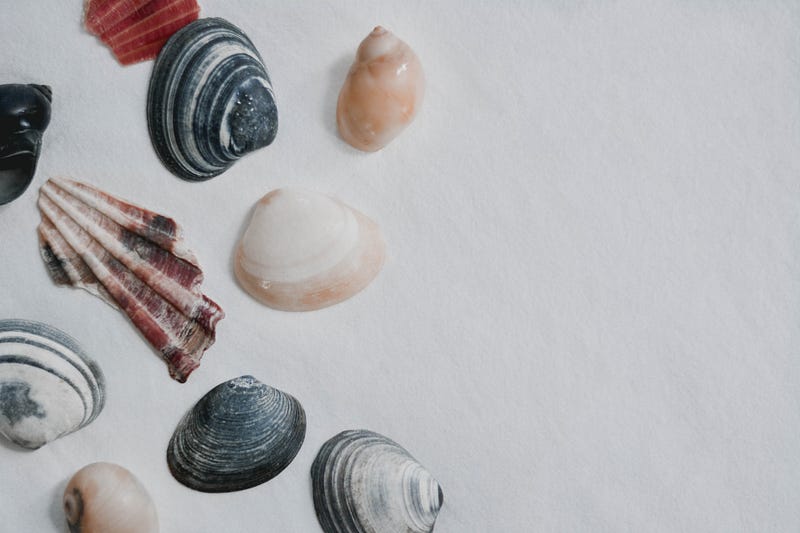
Clams are portrayed as embodying contentment and resilience by living simply within their shells, offering a lesson in finding happiness within ourselves.
Abstract
The article "Why Are Clams Happy?" suggests that clams represent a form of contentment that humans can learn from. Clams, as introverts, are self-contained within their shells, which serve as both their homes and protection. They find joy in their inner world, projecting their contentment onto their colorful shells. The article likens a clam's ability to turn over and face a new direction when troubled to a human's capacity to shift perspective in challenging times. It emphasizes the comfort clams find in the familiarity of their environment, drawing a parallel to the human search for security and peace. The author posits that by carrying their homes with them, clams teach us the value of being content with simplicity and self-sufficiency.
Opinions
- Clams are seen as introverted creatures that thrive in their solitude, suggesting that happiness can be found in one's own company.
- The article conveys that clams are a symbol of resilience, as they can literally and figuratively turn over a new leaf when faced with disturbances.
- It is implied that the clam's shell is a metaphor for the mind or personal space, where one can create a world of "imagination and delight."
- The author seems to believe that finding comfort in familiar surroundings, much like clams in the ocean, is key to overcoming fear and finding rest.
- The content suggests that humans might benefit from adopting a clam-like approach to life, valuing contentment and simplicity over external sources of happiness.