
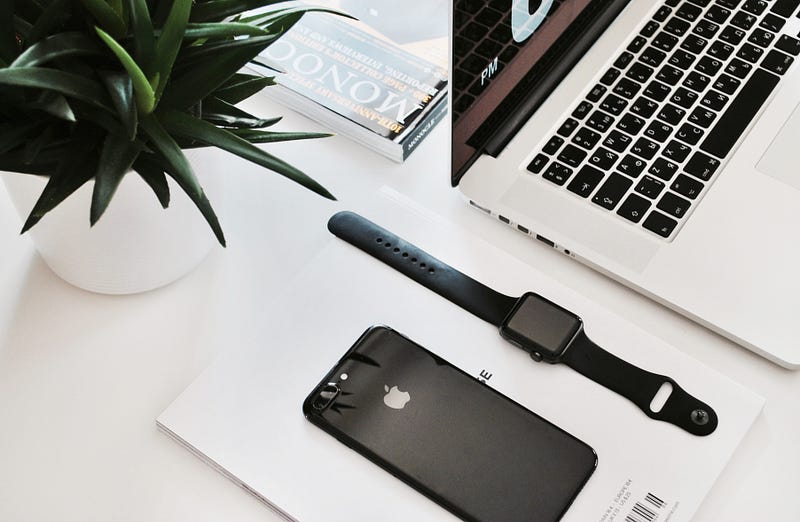
Why Apple Products cost so much and why it’s good for Customers
Privacy doesn’t come cheap.
“Apple Tax” is the term used to describe the premium Apple charges for its products when compared to similarly spec’d devices from other manufacturers. Over time, it’s become both the butt of many jokes in the tech community as well as one of the biggest criticisms of Apple as a company.
What people can’t laugh or argue about though are the numbers that Apple brings in.
Apple is the first US company to be valued at 1.5 Trillion USD, dominating 66% of 2019 smartphone profits, despite only releasing three to four phones each year.
So how does a company that routinely charges an arm and a leg for its products continue to rack up sales, and how do these exorbitant margins benefit you, the customer, if you’re footing the bill?
It all comes down to privacy
What happens when an operating system that costs hundreds of millions of dollars in development hours is given away for free? How does Google, a trillion dollar company, intend to profit off of its free, open-source operating system?
Data. Google is a data company, and your data is their product. The paying customers are advertisers. In 2020, there’s nothing revolutionary about the concept, but it’s important to reiterate to juxtapose against the strikingly different business model Apple uses.
Instead of putting a budget-friendly phone in your hands then collecting (and selling) your data to advertisers, Apple makes their money upfront by charging you Apple Tax.
Doing so makes them a lot of money without having to monetize your data.
This is why, despite selling far fewer phones than the competition, Apple still takes home most of the profits.
I would even argue that Apple has more to lose if they’re caught monetizing user data. Doing so would betray their values and tarnish their brand equity, which ultimately hurts stock prices, and I’m confident no one at Apple wants.
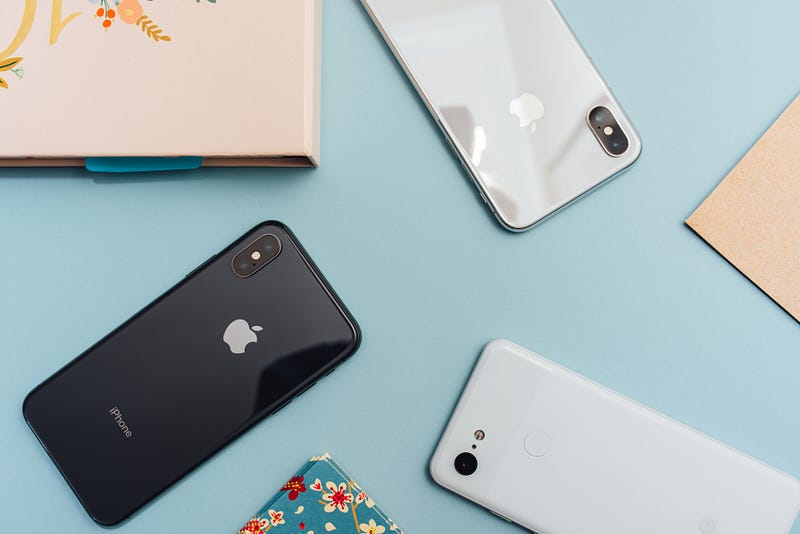
Only Apple can pull it off
Imagine if your neighborhood supermarket, in an effort to improve public health, suddenly decided that all food with High Fructose Corn Syrup (HFCS) had to have a gigantic label across the front of its packaging to declare it.
I am certain that not a signal manufacturer would even bother, and it won’t take long for that supermarket to close down.
Now imagine Walmart, one of the largest retailers in the US, boycotts any products that refuses to disclose its use of HFCS. All of a sudden the big name brands will either be quick to comply or, at the very least, negotiate with Walmart.
Apple is Walmart.
Many apps and websites have a vested interest in tracking and collecting user data.
Why don’t developers just threaten to pull out of the AppStore and drop support for iOS if Apple is placing such stringent privacy policies?
Apple has such a hold on the market that it can bully developers into adhering to its stringent (but arguable necessary) rules.
Google will never care about your privacy
Google is a data company. Asking them to protect our privacy is like asking Coca-Cola to safeguard children from diabetes.
It’s never going to happen.
Keep in mind that Android is not only provided but is continually being developed absolutely free — no licensing fees, no royalties. Samsung, OnePlus, Huawei, and every other phone manufacturer pays zero dollars to use Android and is making all the profits for themselves.
Someone has to pay for all that development, and it’s you with your data and advertisers with their cash.
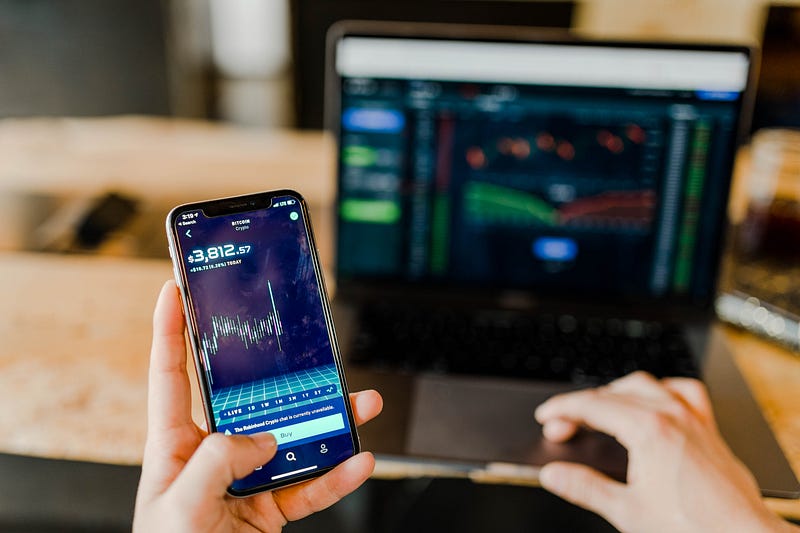
Apple isn’t benevolent; it’s a business
Apple doesn’t protect your privacy because “they care.” They do it because it makes good business sense.
By leveraging on their unique market position, they can charge a gigantic premium (the Apple Tax) to consumers who actually care about privacy since there’s essentially no other option.
If you don’t care about privacy (as you have every right not to and I certainly know people who don’t) you are very free to buy any other smartphone. No one is stopping you.
iPhones aren’t EpiPens.
No one needs an iPhone to survive. If consumers are charged too large an Apple Tax, consumers can revolt and just boycott the company.
Expect Apple products to get cheaper
As the smartphone arms race gradually cools off, Apple now has to find new ways to generate profit.
They can choose to start collecting user data, but as we’ve covered, doing so is neither in the consumer or Apple’s best interest.
What they have chosen however, is to offer services to ensure that you, the consumer, keep paying Apple for media streaming, cloud storage, and financial services (Apple Card) among others.
And what is the best way to get people paying for subscriptions? Get them using devices that support it.
By offering cheaper hardware, Apple essentially lowers the barrier for people to use their services. It’s already happening.
We’ve seen a downward trend in Apple’s hardware pricing driven by cheaper product offerings in at least the past two years.
In the iPhone category, the introduction of entry level flagships (iPhone Xr, iPhone 11) and mid-tier smartphones (iPhone SE 2020.)
In the Mac category, the entry level MacBook Air got, not only, the usual spec bump but also double the storage at a $100 discount from the previous year.

In conclusion
In no way am I saying that people buy Apple products just because of their obsession with data privacy, but it is a big benefit.
Charging the Apple Tax essentially does two things — protects consumer privacy and Apple’s stock prices. It protects the consumer by giving Apple zero reliance on advertisers to remain immensely profitable, and it protects Apple’s stock prices by not compromising on one of its unique competitive advantages that literally none of its competitors can compete on.
The Apple Tax is slowly being lifted in favor of revenues driven by Apple’s services business. Only time will tell if this business model will work. Several companies are centralized on services which Apple now directly competes with. Apple Music to Spotify, Apple TV+ to Netflix, and iCloud to Google Drive to name a few.
At the end of the day, if this fails, Apple can go back to the tried, tested, and true — charging huge premiums in the form of Apple Tax, but the one thing Apple will never do is sell your data.


