
Why Apple Offers a Credit Card
Don’t these guys make phones?
It almost feels like yesterday.
Steve Jobs got up onstage wearing that signature black top, jeans and sneaker combination to make his announcement. I was in my final year of high school and loved my iPod nano, so I was a big fan of the guy.
The announcement wasn’t a disappointment. He proclaimed the impending arrival of three new devices all at once. He said that Apple would be releasing a new iPod, phone, and an internet browsing platform.
After selling the merits of all three, he finally reached his point. All three products were the same device… he was giving us the iPhone.
People lost their minds at the potential of the device he was offering. I immediately discounted the new phone as an expensive, fragile and probably buggy piece of new tech. But regardless of my scepticism, the iPhone shot the already sky-high Apple Corporation into the stratosphere.
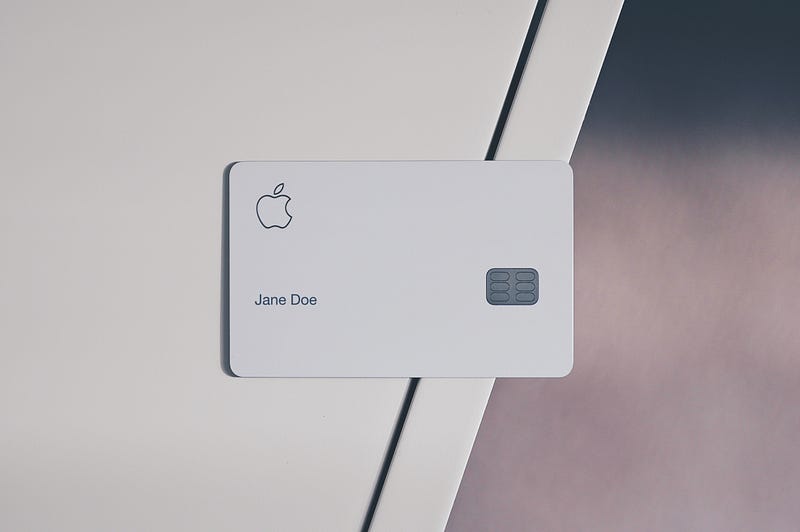
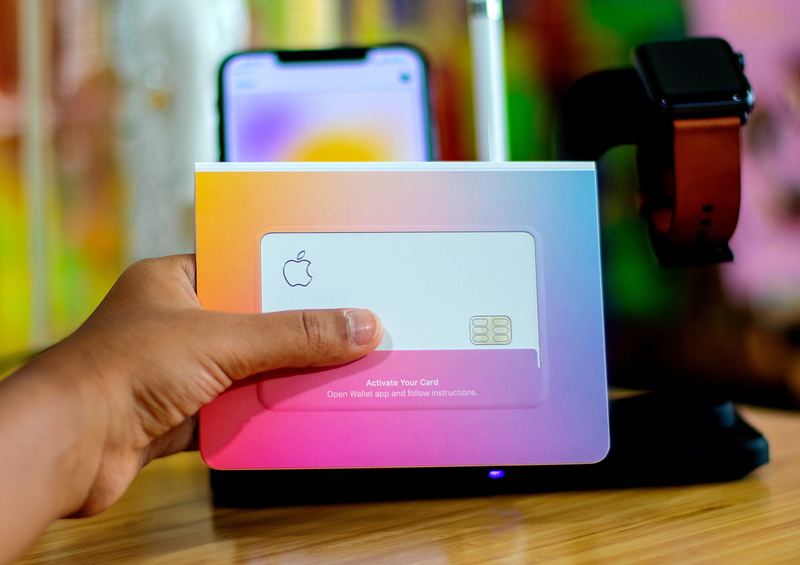
Years have passed since then and Apple has grown into one of several companies being investigated for anti-trust violations. They’re too big, potentially illegally big. They’ve pushed their influence into every part of tech, and like all the others who’ve grown too big for their respective markets; they’ve ventured into finance.

Huh? Finance?
Finance is being called the ‘final frontier’ by financial reporters who follow the many companies moving into the space. Germany’s deputy finance minister is not a fan of the trend, according to Bloomberg. He says that these companies need to be regulated the same way that banks are, and this would seem to make sense in a world where companies are slowly taking over the roll of banks.
Companies are taking over, and aren’t being regulated in the same way as banks, so they’re able to move and innovate much faster. As is usually the case, companies are also moving much faster than the government, and won’t be forced to slow down until the government wakes up and makes a decision.
But Why Finance?
To sum the whole situation up in one simple sentence, there’s a lot of money in money.
The reason it’s so profitable to offer financial services isn’t because they can bill you, it’s because they can bill those who want information about you.
Companies like Apple aren’t selling the information you really care about, such as your credit card or social security numbers. Instead, they’re selling the data you never thought to protect. They’re selling your age, gender, location, what you’re buying, how much you’re spending, and what time of the day you’re doing this spending. All this information is critical to advertisers.
The Advertising Monster
The longer we continue to play the capitalism game, the bigger the advertising monster continues to grow.
Marketing and advertising play a critical role for every company, and the role continues to get bigger… and more expensive. The marketplace is only getting noisier, so companies have learned that being louder isn’t enough anymore.
They’ve learned that targeting is the only really effective way of advertising in the current age, and we’ve probably got Facebook to thank for that discovery.
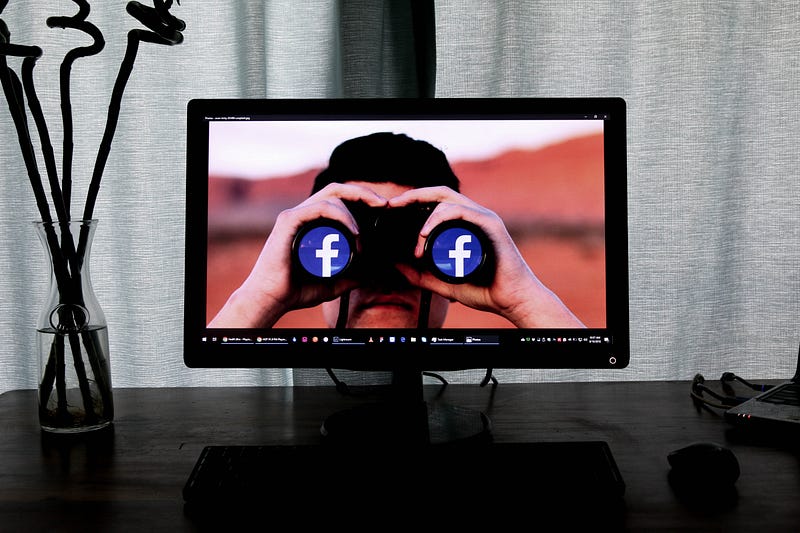
Facebook gave companies unprecedented influence over consumers, they even used that influence to win an American election.
Facebook gives companies the ability to target consumers down to the most minute interests and demographics.
But how do they find out which tiny details to exploit? They buy that information.

Switch the billing
Banks are old fashioned, and have always been old fashioned. They’re still billing the consumer, which is the least efficient way to turn a profit in today’s economy.
Instead, the new providers of financial services (companies), are billing the whale that is advertising companies. They want critical information, such as what time of day you’re most likely to log onto Amazon and buy a roll of toilet paper. That information is gold to an advertiser, and they’ll pay big to get it.
This is the gold you’re handing Apple every day that you’re using their credit card. You pay for toilet paper with your Apple card, and in return Apple gives you a handy graph you can use to track your purchases. But that graph is nothing compared to the one that’s being sold to the highest bidder.
So… are we cool?
If you’re fine with Apple and everyone else doing what they’re doing, then keep going about your business. Google has a payment system now, even Disney offers a series of credit cards.
But if you’re not fine with it, then you’ll be sad to know that this new world of marketing dollars is getting harder and harder to separate from. Things aren’t like the way they were, and they’re not likely to go back.
Your only real escape from this slippery slope is to pay with cash… or pray for a capitalism apocalypse that returns us to the stone age.
Now… can I interest you in some Ultra Plush toilet paper?


