
Why and How to Increase Your Art Time
Even if you don’t consider yourself artistic
I was one of those kids. I struggled with art classes and very quickly was shoved into a box. I was told that I struggled with STEM subjects and art, but I excelled in writing and should focus on that.
Don’t get me wrong. I love writing. Clearly, since I’m here writing.
But, when I got to college, I realized I loved science, just not the way it is taught in elementary and high school. To accurately test students on science, they take out the biggest part of it: exploration and discovery.
That’s a story for another time, but it demonstrates that the boxes we are placed in early on by the school system don’t mean we can’t do those fields.
But, back to art.
Recently, I found myself entranced by an old friend: Bob Ross. I watched his videos and was entranced by how he slowly, but surely created an amazing image. But here’s the kicker: even I thought I could do it in the way he was describing.
I had tried “paint and sip” classes before and was always frustrated by how they tried to say everyone could make the painting when I time and time again left feeling a toddler with two left hands, neither dominant.
But his methods made sense. It made me rethink my understanding of art. Just because I wouldn’t be Van Gogh or Monet, doesn’t mean that I couldn’t get joy and positive benefits from art.
I clearly love art. So why had I been taught my whole life that I couldn’t do art? I had also been taught that I couldn’t do science and that was a lie.
I started trying to experiment with different forms of art and fell in love. I started small, focusing on not being perfect, but just learning something new and trying to have fun.
I fell in love with practicing art, my way. And I want to share it with you, for anyone else who just might benefit from dabbling in the arts again, even if they had always been taught it wasn’t for them.
The benefits of art, any art are various. In fact, art is often an instrumental part of early childhood education. And yet, at some point along the way, the focus seems to shift from “art benefits everyone” to “art should only be done by people who are good at it.”
As you get older, art is no longer interlaced into all your other subjects. Unless you choose to give up one of your extracurricular/ arts credits to art class, you no longer have art. And your schedule is dominated by what you are told will be helpful to your future career. (Sidenote: I know that there are many amazing educational institutions that are rethinking this tenet of education and that makes me so happy.)
You don’t have to be an amazing artist that could someday get a showing in the Met. So, why are we taught as adults that we shouldn’t do art unless we are “good” by others’ standards?
Let’s dive in! What are the benefits of art at any age? Most of us have heard that art helps us be more creative. This, on its own, is amazing, but many don’t see how that helps us in the adult world. Being more creative helps increase your critical thinking and problem-solving skills which are vital as adults.
Let’s go a little deeper to explain how this impacts us as adults and the other benefits of art as adults.
1. Art lowers stress and helps us imagine a better future
This has been shown time and time again by research and inserting art into therapy has been shown to have positive effects on overall mental health. In fact, in a 2016 paper in the Journal of the American Art Therapy Association, researchers found that 45 minutes of creating art in a studio setting with an art therapist lowered cortisol levels, a hormone we produce in response to stress.
The real ticket for me was that, as NPR sums it up: “there were no differences in health outcomes between people who identify as experienced artists and people who don’t.”
You don’t have to be societally accepted as good at art to get the benefit of doing art.
In fact, this goes a step further. NPR details how not only does art help us destress, it helps us imagine a more hopeful future. Anyone who has battled mental health issues like anxiety and depression knows how hard it can be to imagine life being better.
2. Art lets you focus deeply
Many of you on here know about the therapeutic benefits of “getting into the flow,” a state in which your words, art, etc. help you transcend the outside world.
“It’s that sense of losing yourself, losing all awareness. You’re so in the moment and fully present that you forget all sense of time and space,” — Girija Kaimal, a professor at Drexel University and a researcher in art therapy, leading art sessions with members of the military suffering from traumatic brain injury and caregivers of cancer patients.
I particularly love this aspect of art. It’s similar to my love of writing and constructing LEGO sets. Being able to forget about everything else going on in my life and just focus on this one project, built up from many, many building blocks helps me escape.
3. Art makes us happier and can improve quality of life
In a 2017 paper published in the journal The Arts in Psychotherapy, Kaimal and her team measured blood flow to the the medial prefrontal cortex, the brain’s reward center during three art activities: coloring a mandala, doodling, and drawing freely on a blank sheet of paper. Participating in all these activities showed an increase in blood flow to the brain’s reward center, meaning art “may have benefit for people dealing with health conditions that activate the reward pathways in the brain, like addictive behaviors, eating disorders or mood disorders” according to NPR.
In fact, research has found that participation in a variety of art activities including music, visual arts, “Movement-Based Creative Expression” (i.e. dancing, etc.), and writing have been found to be beneficial to healing and wellness.
So, how do you easily increase my art time, especially if you don’t consider yourself artistic?
Start easy and at your pace. You don’t have to worry about jumping ahead to taking college art classes or anything. Below are several easy ways to increase your art time at a beginner, truly beginner level.
1. Coloring Books
Even simply coloring in shapes has been proven to provide benefits. There are even a plethora of adult coloring books available if you feel uncomfortable ordering a coloring book for kids.
There are many that are simply nature or Mandala themed, but also ones based on tv shows, movies, and even motivational/ venting coloring books with adult language if that’s more your style.
2. Paint By Number
Similar to coloring books in that the shapes are already there for you and they even provide you with numbers to guide you on which color goes where. This can be great for getting you back into the process slowly, especially if you are worried about it looking “nice” or “correct.” (Your art is your art. It is your contribution to the world and it should not be defined by anyone else’s standards.)
You can also make your own creative decisions with them as you feel more comfortable. Just because the instructions say to use number 17 color there, doesn’t mean you have to.
3. Bob Ross and other guided art experiences
In my opinion, Bob Ross does this better than any other “paint and sip” style event, but maybe you can find a good one. You can still find his kits online if you are interested. I also have greatly enjoyed non-painting guided art experiences for some reason. I feel less pressure putting seashells in resin on a frame than painting a full scene as it is more abstract. I feel less pressure about getting something “wrong” in these versus paintings.
4. Embrace your inner child
Have you ever noticed that there is a seemingly-infinite number of kid art projects? If even a toddler can do them, so can you!
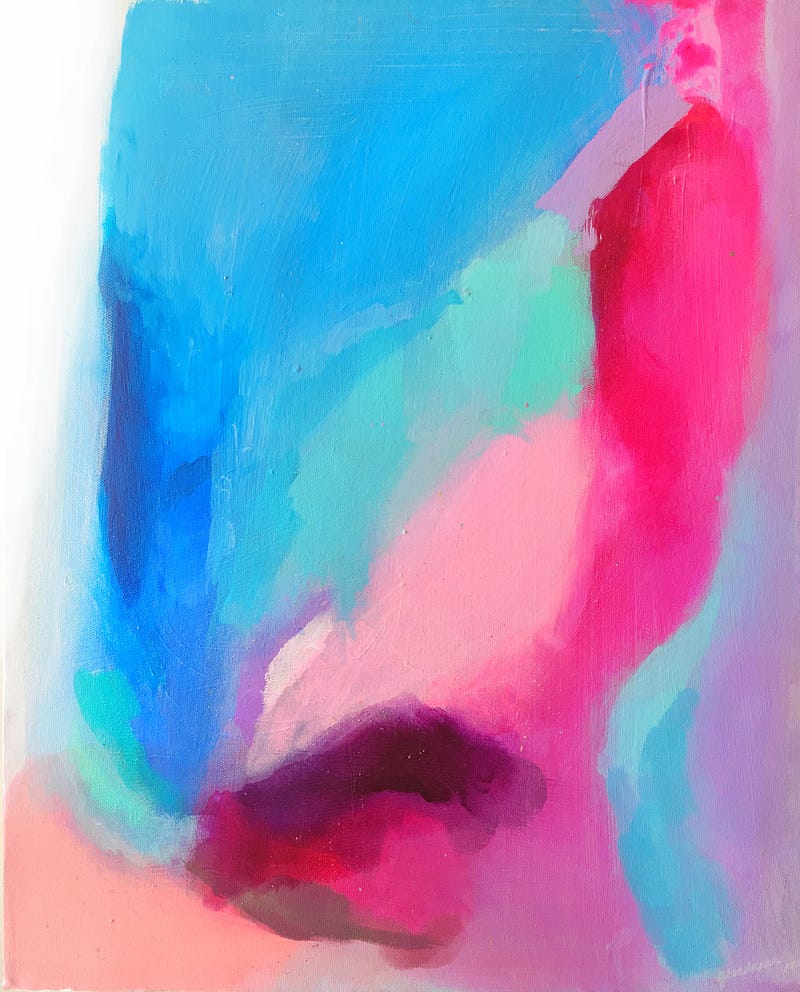
Also, I assume you loved doing art as a child at some point with some activity. I know I did. Embrace your inner child and pick an activity that you loved when you were little. Try it again and focus on not judging yourself by “adult” standards. And remember, there are plenty of famous art pieces that have color smeared on the canvas in abstract ways. You can do that too!
Finger paint, use stamps, do watercolor rainbows, make bubble art, make shaving cream art!
The possibilities are endless!
5. View Art
Even viewing art has been found to help provide the same benefits. So, feel free to go check out an art museum or some public art in-person or online. Be inspired! Find an artist or an art piece that speaks to you and see how you can create your own version!
Art has so many science-backed benefits for adults in addition to children. Finding even a little bit of time on a regular basis to invest in art, judgement-free can help you feel better, problem solve, see a more hopeful future, focus deeper, and heal.
I hope that this article has inspired you to get artsy again, especially if you had labeled yourself as unartistic in the past. Please feel free to share your experiences and suggestions below!
Stay Artsy!
Resources:


