
Why ADHD Meds Are Not The Whole Story — 7 Smart Ways To Help Your ADHD Child
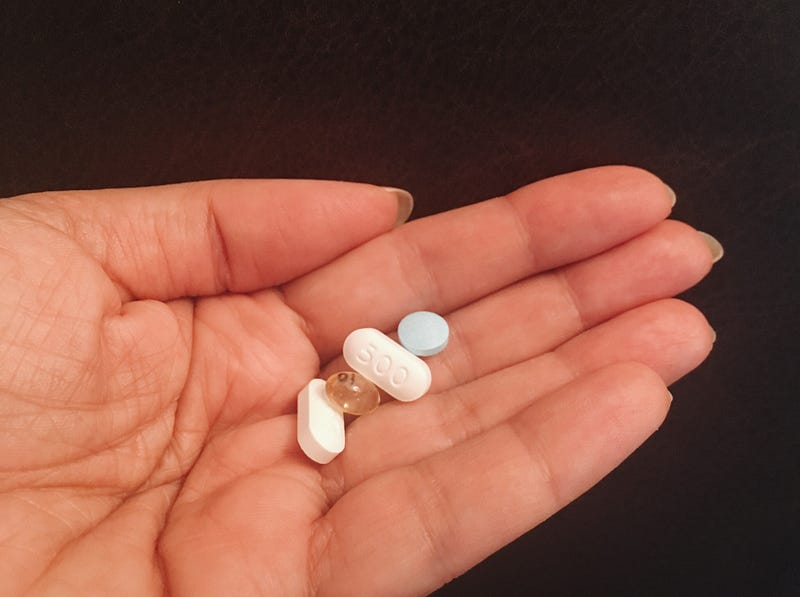
I know kids who are on Adderall now for more than three years and others who are also on anti-depressants. Yet after three years, their problems of bad behavior, antisocial behavior with peers and tantrums in general just keep on occurring. It is clear that the meds are only a partial answer and that the real underlying issues are just not being addressed.
A recent article in the British Medical Journal revealed a closer study of the limitations of these meds and the actual research carried out on them. No surprise to learn that the main drug, methylphenidate (Ritalin and others) has been used to treat ADHD for over half a century.
The shock conclusion of this report reads:-
“Despite the widespread use of methylphenidate, no comprehensive systematic reviews of the benefits and harms have been done.”
Many parents when they see their ADHD kids go off the rails despite the meds just ask their doctor for more of the same or a different drug.
ADHD medication is generally effective and safe but it sometimes needs to be combined with other treatments such as behavioral therapy for example.
But it is startling to find that the Brooklyn Hospital Center noted that the ADHD meds were contributing to bad behavior in some cases instead of solving the problem. They noted that the children on the meds were battling with the side effects and they were causing all sorts of other problems such as-
*aggressive behavior
* hostility towards figures in authority
* bad behavior
* weight gain
* stunted growth
The other problem is that parents and carers are not looking at the wider issues. They rarely think that certain allergens, environmental issues, and even nutritional deficiencies could well be the trigger that is causing or exacerbating all these problems. They never think about diet or that certain allergic reactions to gluten, casein or whatever could well be the problem.
With ADHD it is the crucial imbalance of certain brain chemicals that cause the classic attention problems, restlessness, impulsive and anti-social behavior. But we should widen our perspective. We should reflect that this imbalance may well be the cause of lots of other childhood illnesses but also a growing problem with how the child interacts socially and academically.
“Forgive your child and yourself nightly. You didn’t ask to live with the effects of ADHD any more than did your child.” ― Martin L. Kutscher, ADHD — Living without Brakes
The American Academy of Family Physicians has advised parents and teachers worried about ADHD concerns to ensure the following practices and support systems are in place.
Here are 7 smart ways to make sure your ADHD child is on the fast track
1. Making absolutely sure that ADHD is properly diagnosed taking into account the medical, psychological, family background and teacher’s assessment. If not, these kids will battle with medication side effects and stigma.
2. ADHD friendly home. This means that there is great emphasis on routine and structure and that the home is well organized
3. Nutritional deficiencies and diet are carefully monitored. It is no accident that many ADHD kids are low in Omega 3 fish oils, zinc, magnesium, and other essential minerals.
4. The possibility that an ADHD child may be allergic to certain additives should be actively considered, and every effort made to find out what is causing the allergy. The most common problem for ADHD kids seems to be allergic reactions to gluten and casein.
5. Behavior therapy or more effective parenting skills need to be in place so that there is a clear boundary between what is unacceptable and what is appropriate.
6. Get up to speed on ADHD child rights as regards accommodations and which educational services are available. CHADD (Children and Adults with Attention-Deficit/Hyperactivity Disorder) has an excellent section on this.
7. Choose the right sports for your child. I have written a post which you can read here.
As we have seen, there are many ADHD concerns and the most worrying one is the long-term effects of the ADHD meds.
Effective teamwork involving siblings, teachers, medical staff, therapists and coaches can really make a big difference in helping a child with ADHD overcome all the challenges.
“The children who need love the most will always ask for it in the most unloving ways” ― Russel Barkley