
Who Wins? The Socioeconomic Impact of Stadiums
Sporting Cathedrals
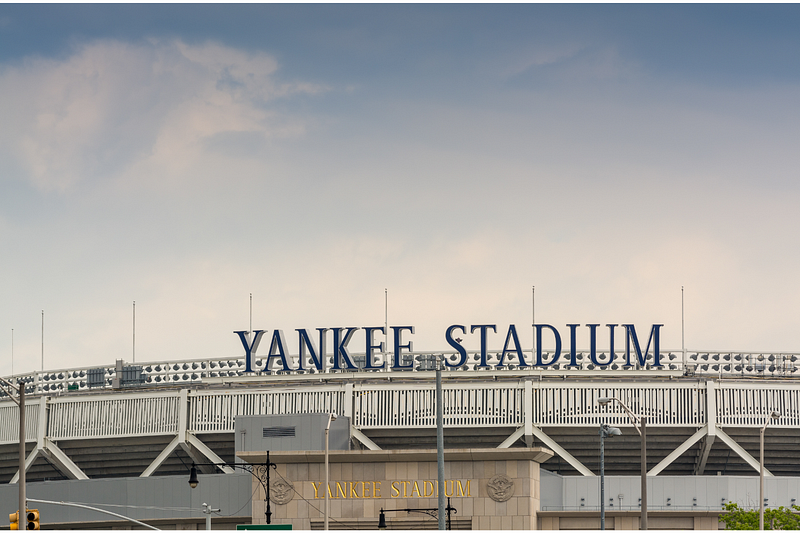
The construction and maintenance of stadiums have long been a contentious issue. Arguments are often polarized. On one side, there’s the flashy allure of economic prosperity. On the other, the sobering reality of fiscal burdens. I’ve always found myself torn between these two worlds. I’m a sports enthusiast and an economist. I’m fascinated by the glitz and glamour of game day. Yet, I’m grounded by the number of economic reports. In this exploration, I will delve into the true socioeconomic impact of stadiums. I will peel back the layers of this issue to see who wins when a new stadium graces a city.
The story often begins with a promise: a new stadium as a beacon of economic growth. Proponents wax lyrical about job creation, boosting tourism, and revitalizing the local economy. Indeed, the numbers can be impressive.
The Center for Economic and Policy Research says the construction phase of a stadium can create hundreds or thousands of jobs. , it’s to ask: are these jobs sustainable, and who are they benefiting?
The flip side of this glittering coin is its staggering cost. The Brookings Institution highlights that public stadium financing often leads to significant long-term debts for cities. Taxpayers foot the bill. For instance, the NFL’s Giants and Jets home is MetLife Stadium. It required an astonishing $1.6 billion to construct. Much of the funding came from public funds.
Beyond the numbers, there’s a social aspect often overlooked. Stadiums are monuments of community pride. They bring people together in a shared passion for sports. They can also act as catalysts for urban redevelopment. This redevelopment can lead to gentrification. It can price out long-time residents and small businesses. CityLab discussed this in a thought-provoking piece.
I’ve seen firsthand the divergent paths of stadium impacts in two cities. City A’s new stadium brought a renewed sense of community and a bustling sports district. In contrast, City B saw little economic benefit. The promised jobs disappeared after construction, and the local community felt marginalized.
An often-under-discussed aspect is the environmental impact of stadiums. Modern stadiums are becoming more popular. They have features like solar panels and water conservation systems. The Environmental Protection Agency reported that stadium construction still contributes to carbon emissions. Stadium operation also contributes to carbon emissions. Additionally, they cause environmental degradation.
Looking ahead, the economics of stadiums are evolving. Forbes suggests a trend towards multi-use developments. Stadiums are part of larger commercial and residential complexes. This trend could offer a more sustainable economic model.
Stadiums aren’t structures of brick and mortar. These cultural epicenters create memories and give birth to traditions. In many cities, the local stadium is a hallowed ground, a symbol of communal identity and pride. For instance, Fenway Park in Boston is not a ballpark. It’s a living museum of baseball history, ingrained in the city’s fabric.
Stadiums also offer educational opportunities. Many host tours and events that explore sports science, architecture, and local history. This academic angle should be more appreciated. It can be a significant draw, especially for younger generations.
The economic impact of a stadium extends beyond its walls. On game days, bars, restaurants, and hotels get more customers. This is only sometimes the case. A National Bureau of Economic Research study notes that local businesses may overstate the expected economic gain. This is because stadium spending redirects expenditure from other entertainment venues.
Stadiums are also arenas for political maneuvering. City councils, team owners, and taxpayers often negotiate funding, land use, and infrastructure. The politics surrounding stadium developments can be intense. It’s as fierce as the sports played within them. Community groups and activists play roles in these debates.
There’s a psychological aspect to consider as well. A study from the University of Maryland showed that sports teams and their stadiums can influence a community’s collective mood and self-esteem. We should recognize the sense of belonging. We should realize the collective pride in supporting a local team.
Reflecting on my experiences, I realize stadiums are close to the heart of a city’s identity. Despite controversies, they do so. These structures are more than financial indicators. Stadiums hold communal hopes, dreams, and memories, whether the crowd’s roar on game day or the quiet nostalgia of an off-season.
The future of stadium development lies in finding a balance. This balance must consider economic viability, environmental sustainability, and genuine community benefits.
This means engaging in transparent dialogues. It also means exploring innovative funding models. And it means ensuring that the urban fabric integrates stadiums.
Wrapping up this exploration, it’s clear that stadiums are not for sports or entertainment. They’re entities with far-reaching socioeconomic impacts. As we debate their place in our cities, it’s vital to consider all facets of their influence.
This includes economic and emotional effects.
Thanks for taking the time to read. I’d like to hear your perspective.
You can also refer to the related articles:

Please subscribe here to receive the latest insightful stories by email.
Did you find this enjoyable? If so, remember to hit the clap button, which you can press up to 50 times and comment. Take advantage of more from me — ensure you’re following if you still need to. Thank you for being an integral part of my journey.