Who Tweaked Joe Manchin’s Ass?
In a way, I really don’t care.
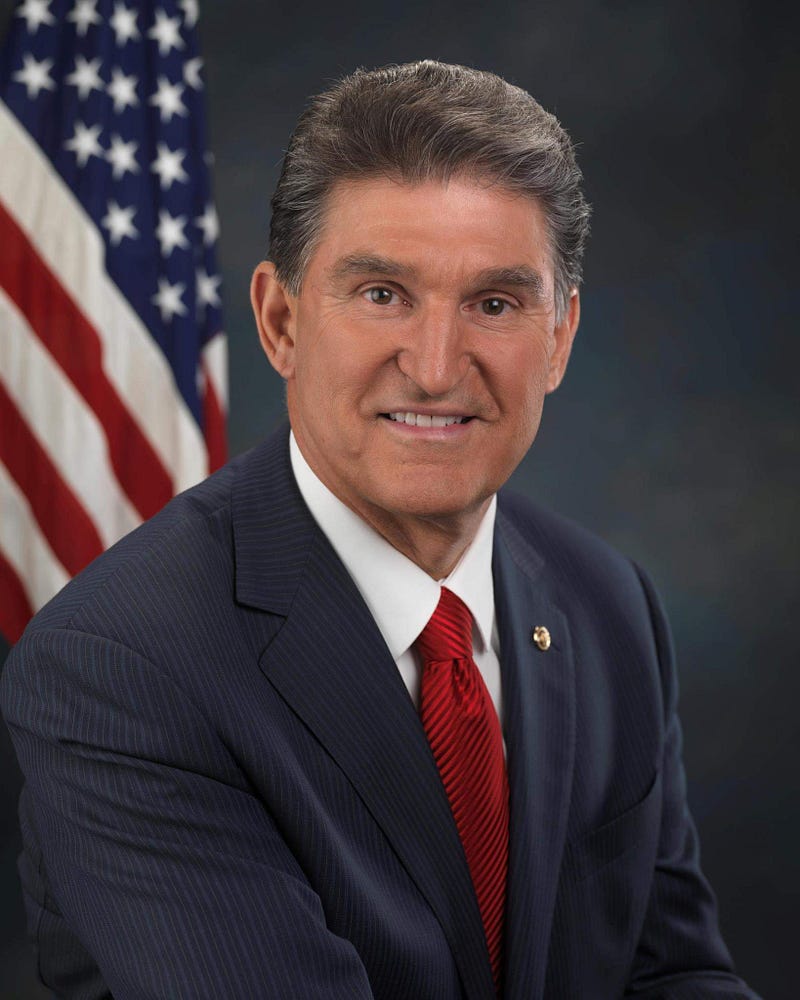
I don’t know what the heck happened here, but it is a relief to see Congress on the brink of a massive investment in climate and carbon reduction. No matter how you look at it, $369 billion is a big investment in climate and clean energy. Lord knows we need it.
We need it because climate change is far bigger than any single consumer choice. In fact, it is bigger than all consumer choices combined. That’s because climate change is systemic, and it needs systemic level changes to address it.
Reportedly, the deal provides many incentives for consumers on solar installations and electric vehicles (EVs). But the most important systemic contribution is the commitment to upgrade energy infrastructure, including the electric grid. Last year, Texas showed us what happens when a grid collapses. That can happen nationally. Even if it doesn’t collapse, however, the existing grid will restrict the electric future that is coming. Electricity is the only form of energy we can generate on a large scale from clean, non-burning sources, so we must be able to distribute it.
Until major improvements in solar panel and battery technology come to market, we are reliant on the capacity of the grid to distribute much higher levels of electricity that will be needed, especially with EVs.
I suspect that this is one of the places they may have gotten to Manchin. Improved grid capacity is essential for all players in the electric energy market. Whether you are a coal plant, a natural gas plant, a nuclear plant, a wind farm, or a solar installation, you need the grid. The grid was built for a certain level of distribution, and by all accounts, the demand for electricity distribution is going up, not down. Electrification of cars is huge, but electrification of all other household appliances and industrial machinery will add even more demand for grid capacity. The bill supports the transition to all those electric appliances and machinery throughout the economy. Even Manchin’s coal-based constituency sees the need for more capacity.
A few other items also probably got Manchin to sign on. Environmentalists will not like the new policy that insists federal land can only be used for solar and wind development if equal access is provided for fossil fuel development in other areas. Don’t fret this one. The reason gas prices are going up so high is that oil companies aren’t producing in wells they already developed because they can see their market drying up. Electric vehicles don’t use gas, and gas is 40% of the end-user oil market. If they won’t go through the expense of turning on already developed sources, what in the world makes us think they will invest in the exploration and development of new sources? The long-term economics just are not there, no matter how much Joe Manchin wants it to be.
Senators Schumer and Manchin probably also came together on the provisions that favor American production of electric vehicles. That’s a strong, blue-collar gain. Auto manufacturing needs steel, and today, steel needs coal, which is near and dear to Manchin’s constituency.
Finally, Manchin is more hawkish on inflation than many Democrats, or so he claims. Members of Congress from both parties and houses of Congress get hawkish whenever they see a bill with things in it that they don’t like. Yet as inflation has been surging lately, this concern comes off as quite real. Incorporating all of it together, the bill will reduce the federal budget deficit. As described in The Atlantic:
“In a move that seemed to shock almost all of their colleagues, the two men unveiled a nearly completed bill that will reduce the federal budget deficit, reduce greenhouse-gas pollution, invest in new energy infrastructure, and lower health-care costs.”
In a way, it doesn’t matter who got to Manchin. What matters is that we are on the verge of passing the largest, most historic investment against climate change in history. Messy or not, credit the Democrats. Elections matter.
Anthony Signorelli
You can find my newsletter Intertwine: Living Better in a Worsening World here.
Anthony Signorelli
Ideas, insights, and imagination to help you live better in a worsening world. Topics include Men, #MeToo, and Masculinity; Postcapitalism; Climate Change; Digitalization and Cryptocurrency; Green Energy; Retirement and financial planning… basically everything that addresses making life better in this challenging time of history.
To help me continue this work and find other insightful writing, join Medium here. It’s only 5 bucks and Medium pays me half to keep this work going. Much appreciated.