avatarCailian Savage

Free AI web copilot to create summaries, insights and extended knowledge, download it at here

3228

Abstract

<img src="https://cdn-images-1.readmedium.com/v2/resize:fit:800/0*Lo0wOTZFMhBlPXlY.JPG"><figcaption>Photo by Robors, <a href="https://commons.wikimedia.org/w/index.php?curid=84525439">Wikimedia Commons</a></figcaption></figure><p id="ed7e">Passed down as family businesses, these <i>stabilimenti</i> have become iconic of the Italian summer culture.</p><p id="69dd">Heading to the beach can be a more ritualized and luxurious experience in Italy than in many other countries — many families will return to the same establishment each summer, getting to know the owner personally. Mention of the beach evokes memories not only of summer romances and bronzed skin, but picturesque umbrellas and food like <i>spaghetti alle vongole</i> and <i>prosciutto e melone</i>.</p><p id="4860">But the darker side to this heavily commercialized coastline is that there aren’t many spots to take advantage of the sea for free.</p><figure id="22b3"><img src="https://cdn-images-1.readmedium.com/v2/resize:fit:800/0*OEyetOECW-66zI9N"><figcaption>Photo by <a href="https://unsplash.com/@capetown_guy?utm_source=medium&amp;utm_medium=referral">Ian Badenhorst</a> on <a href="https://unsplash.com?utm_source=medium&amp;utm_medium=referral">Unsplash</a></figcaption></figure><p id="6431">Across Italy, <a href="https://www.legambiente.it/wp-content/uploads/2021/11/Rapporto-Spiagge-2022.pdf">fewer</a> than half the beaches are freely accessible, and the situation is even worse in regions like Liguria, Emilia-Romagna and Campania, where over 70% is overseen by private establishments. Italy has no law dictating that a minimum amount of space be available to the general public, and well over 90% can be private in urban areas.</p><p id="4ac7">Furthermore, privatization has been increasing in recent years, largely driven by growth in Southern Italy. In traditionally private zones like Ostia, the situation has become more outrageous as beach clubs have <a href="https://www.theguardian.com/world/2022/jul/01/protests-grow-in-effort-to-reclaim-italy-free-beaches">built</a> fences and concrete walls to block the public from even seeing the sea.</p><p id="56d3">At some point, however, one of these beach vendors must have badly ripped off some Belgian and German bureaucrats on holiday, because the European Union has decided that Italy’s beaches are a serious problem. The EU doesn’t have any particular problem with the fact that Italy’s beaches are private; its complaint is instead that these private beach vendors don’t face any serious competition.</p><figure id="ed7a"><img src="https://cdn-images-1.readmedium.com/v2/resize:fit:800/0*IcXzv5KJx_bOuN5A"><figcaption>Photo by <a href="https://unsplash.com/@antoine_schibler?utm_source=medium&amp;utm_medium=referral">Antoine Schibler</a> on <a href="https://unsplash.com?utm_source=medium&amp;utm_medium=referral">Unsplash</a></figcaption></figure><p id="df50">EU doctrines that demand fair markets (and especially the Bolkestein Directive) are obviously incompatible with a system where families who won bids back in the 1950s get to pass their businesses along as dynasties.</p><p id="de78">Yet EU demands for reform were long stymied by Italian politicians (<a href="https://www.telegr

Options

aph.co.uk/world-news/2022/12/15/tourism-minister-calls-public-beaches-privatised-transferring/">some</a> of them investors in beach concessions themselves) who highlighted the risk that large international companies would come to dominate the coastline if communities were forced to put the concessions out to open tender.</p><p id="1b27">Owners of beach concessions (90% of which are family-run) emphasise their strong commitment to local communities and role in preserving local tradition. They point to cases like Red Bull’s <a href="https://www.giornaledellavela.com/2021/12/22/red-bull-projects/?lang=en">purchase</a> of an island near Trieste as an example of what could go wrong if international competition is imposed. They note that in a country like Italy, a new tendering process will likely be exploited by organised crime groups and facilitate even greater corruption.</p><figure id="cbcf"><img src="https://cdn-images-1.readmedium.com/v2/resize:fit:800/0*KmqRUMbQBr5_aFmg"><figcaption>Photo by <a href="https://unsplash.com/@introspectivedsgn?utm_source=medium&amp;utm_medium=referral">Erik Mclean</a> on <a href="https://unsplash.com?utm_source=medium&amp;utm_medium=referral">Unsplash</a></figcaption></figure><p id="0e45">Above all, they would point out that the futures of their families are inextricably tied to these concessions, after generations of (understandable) assumptions that their contracts would be renewed indefinitely.</p><p id="adec">Critics (such as protest organisation Mare Libero) note that cities like Rimini have virtually no free beaches. They point out that although the beach clubs are required to display a sign at their entrance promising free access to the shore, many don’t bother doing so; staff at some clubs <a href="https://www.euronews.com/travel/2022/07/22/italys-beach-wars-how-the-fight-for-lidos-has-got-political-and-physical">have</a> been known to physically stop people from passing through.</p><p id="5e90">Opponents of the status quo will also note that “owners” (license-holders) in glamorous areas like Forte dei Marmi often actually sublease to operators who do the real work. Even in such glamorous areas, the license-holder might pay as little as a few thousand euro per year for their concession, roughly the price of a seasonal sun lounger rental. The government collects <a href="https://www.reuters.com/article/italy-politics-beaches-idUSL8N2UQ6D6">only</a> €115 million per year from license sales, in a €15 billion industry.</p><figure id="e00b"><img src="https://cdn-images-1.readmedium.com/v2/resize:fit:800/0*8qLPn67HJaaMsWyo"><figcaption>Photo by <a href="https://unsplash.com/@claudiopoggio?utm_source=medium&amp;utm_medium=referral">Claudio Poggio</a> on <a href="https://unsplash.com?utm_source=medium&amp;utm_medium=referral">Unsplash</a></figcaption></figure><p id="c3d4">In the end, the dispute was never going to be solved through calm debate or compromise; the EU made clear that Italy would not be able to access COVID-19 recovery funds unless it backed down on this issue. From January 2024, Italy’s beaches <a href="https://www.reuters.com/article/italy-politics-beaches-idUSL8N2UQ6D6">will</a> be open for tender again.</p></article></body>

Who Should Own Italy’s Beaches?

Your guide to the battle between Brussels bureaucrats, beach clubs, and ordinary Italians.

Italy is one of the world’s most beautiful travel destinations, with its slender and distinctive shape containing an astonishing variety of natural treasures. With my delicate Irish skin, I tend to prioritize the Renaissance cathedrals and hiking trails over sunbathing, but Italy is also home to some of Europe’s most stunning coastlines.
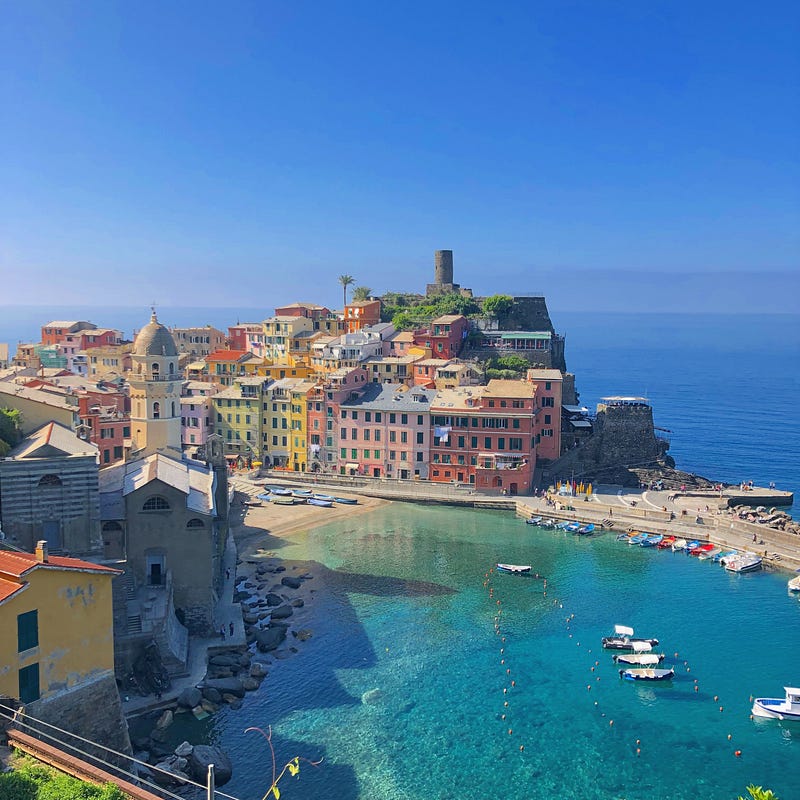
Photo by Noah Mayer on Unsplash

If you can afford to spend upwards of €50 on a day at the beach, you can be a participant in the Italian dream: deck chairs and umbrellas, beach clubs, showers, and restaurants serving seafood are all iconic images of the Italian summer holidays.

But if you don’t have that kind of money to burn on getting a tan, problems start appearing. While all Italian beaches are technically property of the Italian state, the reality is that incompetent privatization and a weak rule of law have made it quite difficult for the Italian public to access the beaches that they supposedly own.

In the first half of the 20th century, Italy’s beaches weren’t the mass tourism magnet that they are today. That only happened in the aftermath of World War II, as widespread car ownership and cheap air travel made it easy for foreigners to come to Italy, and a booming domestic economy and improved workers’ rights suddenly gave Italians the money and leisure time to vacation in their own homeland.
Photo by Lorenzo Scarcelli on Unsplash

Mass beach tourism required beach facilities for the masses: loungers, umbrellas, restaurants, showers, toilets, changing rooms, and so on. The Italian state began offering beach concessions to entrepreneurs who would provide these facilities.

Today, we might expect such state tenders to be snapped up by major hotel groups and travel agencies, but nothing of the sort happened. At a time when tourism when a nascent industry, in a country that had just lost history’s biggest war, there just weren’t any such big businesses with the capital to seize the coastline.

Instead, Italy developed a fairly unique culture of “stabilimenti balneari” (seaside resorts) operated as small family businesses. They don’t own the beach, and the concessions officially only last for a few years, but these concessions are virtually always renewed, and often for a token rent, sometimes at a price that hasn’t changed since the 1960s.
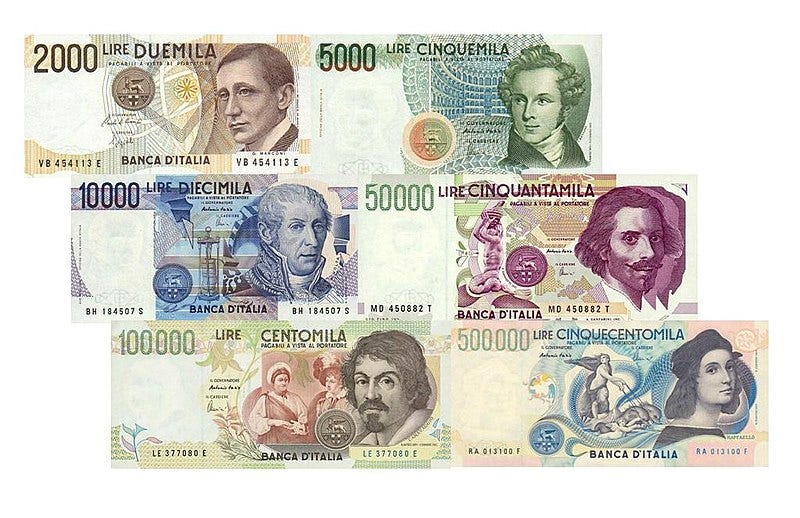
Photo by Robors, Wikimedia Commons

Passed down as family businesses, these stabilimenti have become iconic of the Italian summer culture.

Heading to the beach can be a more ritualized and luxurious experience in Italy than in many other countries — many families will return to the same establishment each summer, getting to know the owner personally. Mention of the beach evokes memories not only of summer romances and bronzed skin, but picturesque umbrellas and food like spaghetti alle vongole and prosciutto e melone.

But the darker side to this heavily commercialized coastline is that there aren’t many spots to take advantage of the sea for free.
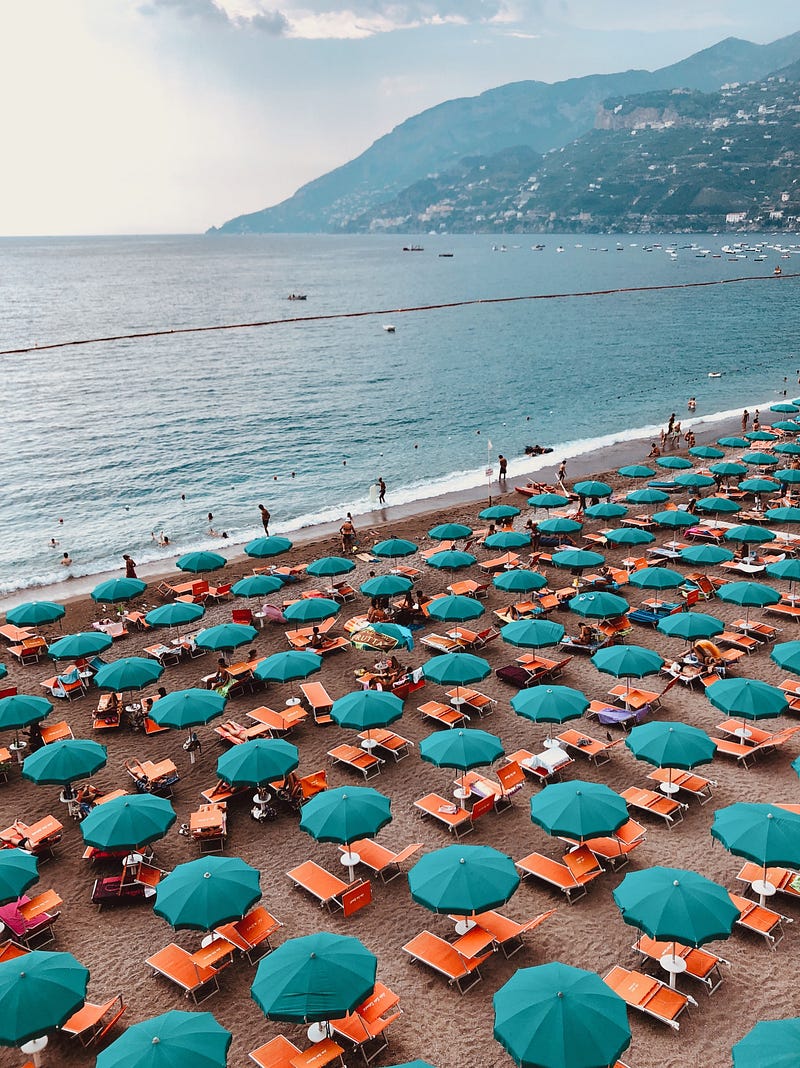
Photo by Ian Badenhorst on Unsplash

Across Italy, fewer than half the beaches are freely accessible, and the situation is even worse in regions like Liguria, Emilia-Romagna and Campania, where over 70% is overseen by private establishments. Italy has no law dictating that a minimum amount of space be available to the general public, and well over 90% can be private in urban areas.

Furthermore, privatization has been increasing in recent years, largely driven by growth in Southern Italy. In traditionally private zones like Ostia, the situation has become more outrageous as beach clubs have built fences and concrete walls to block the public from even seeing the sea.

At some point, however, one of these beach vendors must have badly ripped off some Belgian and German bureaucrats on holiday, because the European Union has decided that Italy’s beaches are a serious problem. The EU doesn’t have any particular problem with the fact that Italy’s beaches are private; its complaint is instead that these private beach vendors don’t face any serious competition.
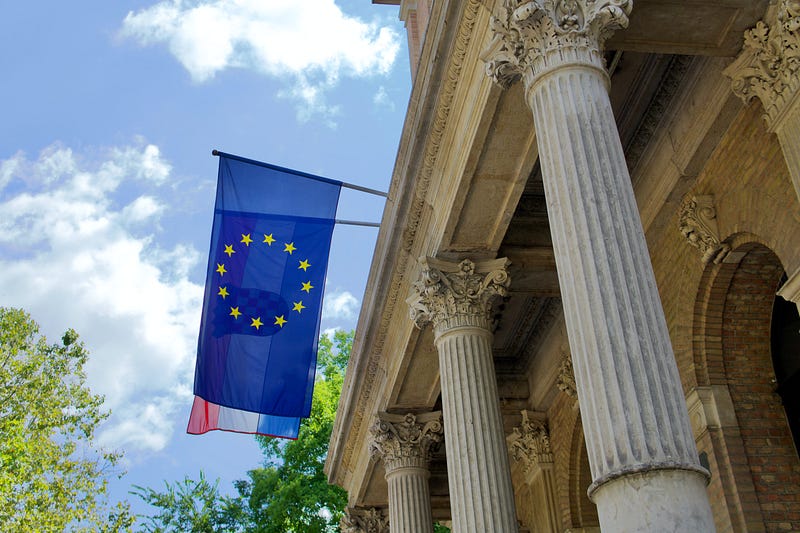
Photo by Antoine Schibler on Unsplash

EU doctrines that demand fair markets (and especially the Bolkestein Directive) are obviously incompatible with a system where families who won bids back in the 1950s get to pass their businesses along as dynasties.

Yet EU demands for reform were long stymied by Italian politicians (some of them investors in beach concessions themselves) who highlighted the risk that large international companies would come to dominate the coastline if communities were forced to put the concessions out to open tender.

Owners of beach concessions (90% of which are family-run) emphasise their strong commitment to local communities and role in preserving local tradition. They point to cases like Red Bull’s purchase of an island near Trieste as an example of what could go wrong if international competition is imposed. They note that in a country like Italy, a new tendering process will likely be exploited by organised crime groups and facilitate even greater corruption.

Photo by Erik Mclean on Unsplash

Above all, they would point out that the futures of their families are inextricably tied to these concessions, after generations of (understandable) assumptions that their contracts would be renewed indefinitely.

Critics (such as protest organisation Mare Libero) note that cities like Rimini have virtually no free beaches. They point out that although the beach clubs are required to display a sign at their entrance promising free access to the shore, many don’t bother doing so; staff at some clubs have been known to physically stop people from passing through.

Opponents of the status quo will also note that “owners” (license-holders) in glamorous areas like Forte dei Marmi often actually sublease to operators who do the real work. Even in such glamorous areas, the license-holder might pay as little as a few thousand euro per year for their concession, roughly the price of a seasonal sun lounger rental. The government collects only €115 million per year from license sales, in a €15 billion industry.
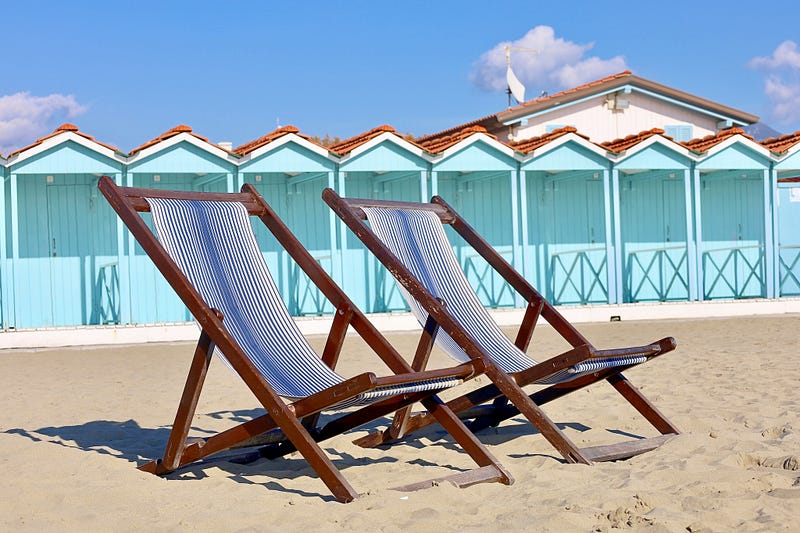
Photo by Claudio Poggio on Unsplash

In the end, the dispute was never going to be solved through calm debate or compromise; the EU made clear that Italy would not be able to access COVID-19 recovery funds unless it backed down on this issue. From January 2024, Italy’s beaches will be open for tender again.

Italy
Politics
Business
News
Travel
Recommended from ReadMedium