
Who Really Blew Up Nord Stream? The Unspoken Cold War 2.0
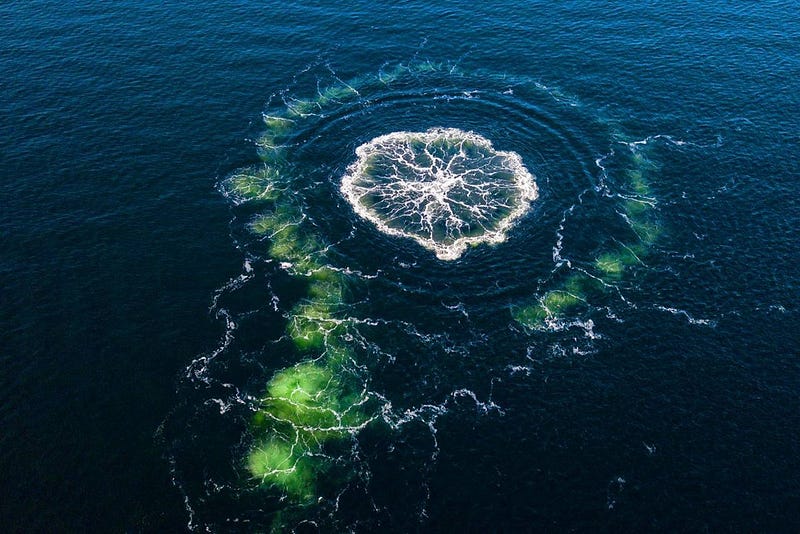
Within the records of geopolitical subterfuge, the Nord Stream episode marks an extraordinary tale of spy-level intricacies. A year has passed since the calculated demolitions threw both the Nord Stream and Nord Stream 2 pipelines into disarray, and the culprits remain unidentified. This is not merely an issue of ruptured pipelines and stalled gas flows; it’s a dense tapestry of strategic politics, martial planning, and the enigmatic corridors of intelligence, evocative of the suspense in a Tom Clancy masterpiece.
Let’s rewind to President Biden’s stark declaration on the 7th of February 2022. Biden stated unequivocally that: “If Russia invades, that means tanks or troops crossing the … border of Ukraine again, then there will be … no longer a Nord Stream 2. We, we will bring an end to it,” Asked how, given the project is in German control, Biden said: “I promise you, we’ll be able to do it.”
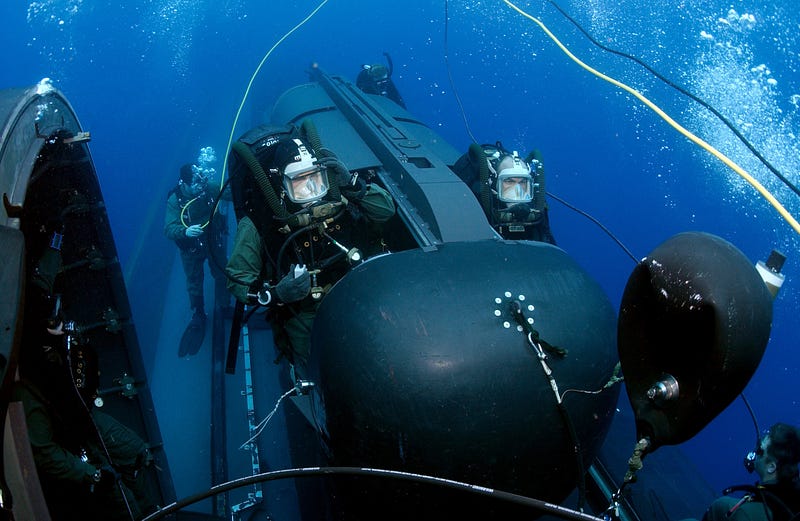
The esteemed journalist Seymour Hersh, known for his Pulitzer Prize-winning investigative work, recently stirred the pot with some eye-opening disclosures. Hersh alleges that in June 2022, U.S. Navy divers, with assistance from Norwegian experts, set explosive charges beneath the Nord Stream 2 pipelines. The context is hard to ignore: the actions came at a time when the U.S. government was growing increasingly anxious about its diminishing sway over Germany and Western Europe, a decline exacerbated by the influx of affordable Russian gas via these pipelines.
Now, if you’ve spent even a smidgen of time studying military tactics, the strategy here is clear as vodka – hit the enemy where it hurts. Russia’s natural gas supplies are not merely an economic asset; they are a critical lever of geopolitical influence. Disable that, and you disarm your opponent, making it akin to an infantry division minus its artillery.
Hersh’s allegations take it a step further by suggesting that the American operation was exquisitely discreet. All records were typed out on typewriters and later destroyed, ensuring that the paper trail vanished like fog under the sun. Moreover, the operation was purportedly so compartmentalized that the U.S. President was kept largely out of the loop, information going straight to CIA Director Bill Burns. This is an example of classic deniability, a cherished tenet of covert operations, allowing leaders to wash their hands of any malfeasance.
A quick heads-up: Medium’s been tweaking its algorithms and it’s getting trickier for my stories to land in your feed. So, if you enjoy my work, please make some noise! Hit that clap button, light up the highlights, or drop a comment. Every interaction helps keep the stories flowing. Thanks for your support!
Equally intriguing is the supposed blind eye turned by Danish and Swedish authorities. After all, disrupting Russia’s gas supply to Europe doesn’t just serve American interests but plays well to an EU increasingly anxious about Russian hegemony. What’s most chilling in Hersh’s account is the notion that the explosives were to be detonated “on-demand,” presumably upon orders from the American President. Now a year after the explosions, intriguing leads are surfacing, including whispers of a “pro-Ukrainian group” as the likely culprits. Let’s cut through the fog for a moment and ask: Could any entity acting in Ukraine’s interest accomplish an operation this bold without at least a tacit wink from the United States?
Wolfgang Schmidt, a key figure in German politics, already pointed to Ukrainian traces almost a year ago. It’s conceivable that Ukraine, bearing the brunt of Russia’s military aggression, adopted a ruthless form of reciprocity. The principle is old but effective: In love and war, there are no rules. Ukraine may have turned the tables, striking a crippling blow to Russia’s economic lifeline.
Yet, this perspective inevitably circles back to the role of the United States. Pulitzer-winning journalist Seymour Hersh argued that Washington was well aware of what was transpiring. While hard evidence remains elusive, the broader context – especially the U.S.’s longstanding anxieties about Russia’s European influence – suggests it’s unlikely Ukraine acted in complete isolation.
In military parlance, it seems Ukraine opted for asymmetric warfare. Given its dire circumstances and Russia’s daunting military might, targeting the energy sector may well have been Ukraine’s most judicious move. But to assume that this was executed without at least silent consent from Washington is to misunderstand the complexity of global politics.
Interestingly, Germany, Denmark, and Sweden have been consistently evasive about involving Russia in their ongoing investigations. It’s akin to a strategic containment policy, keeping Russia at arm’s length from the conversation. Moscow’s recurring appeals for an international investigation that includes them have been roundly ignored, underscoring the likelihood of a broader alliance at work.
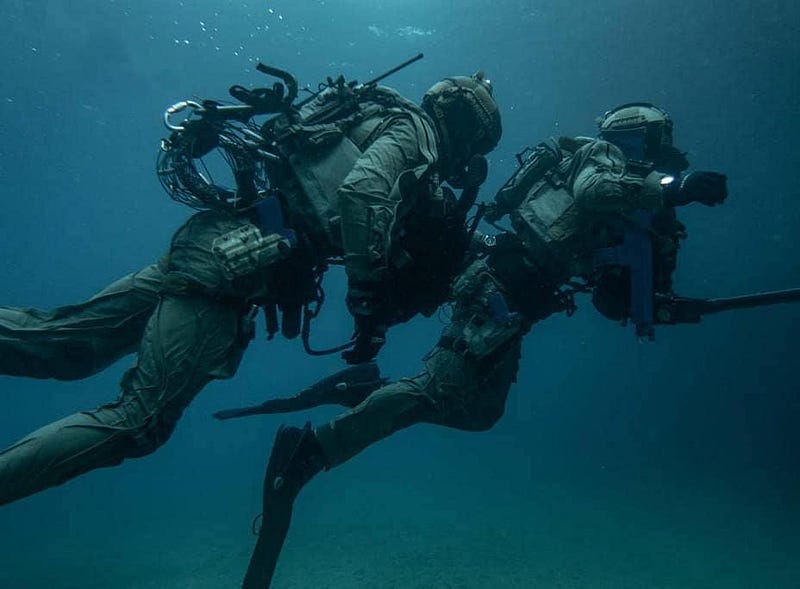
The act of sabotaging Nord Stream 2, if indeed orchestrated by the CIA in conjunction with Ukrainian operatives, appears to have deftly neutralized one of Russia’s most potent non-military levers over Germany. Russia’s influence through energy has always extended far beyond mere economics; it’s a geopolitical tool par excellence, a method of exercising soft power over nations dependent on Russian gas. By crippling this essential artery of Russian natural gas to Germany, the operation effectively disarmed a major facet of Russia’s negotiating clout, stripping Moscow of its ability to hold Berlin’s energy security hostage to its whims and agendas.
In a broader context, depriving Russia of this unique leverage shifts the balance ever so slightly but notably toward the West. It reframes the power dynamics, erasing the asymmetry that had been giving Russia undue leverage over Germany and, by extension, the European Union. By eliminating this Russian advantage, the operation not only restores a semblance of balance but also contributes to safeguarding the broader security landscape in Europe, specifically in these tumultuous times of conflict in Ukraine.
All said, we’re in a murky territory. Could it be that the stakes are too high? Or perhaps the waters too muddied in the game of international power politics?
This episode, shrouded in layers of opacity, poses questions that beg answers. So, let’s have it, gents. What’s your take on this high-stakes espionage tale? Your comments could provide the spark that this ongoing international mystery so desperately needs.