
Who Owns the Moon?
Have you ever looked at the moon a wondered who owns it or if it can even be owned?
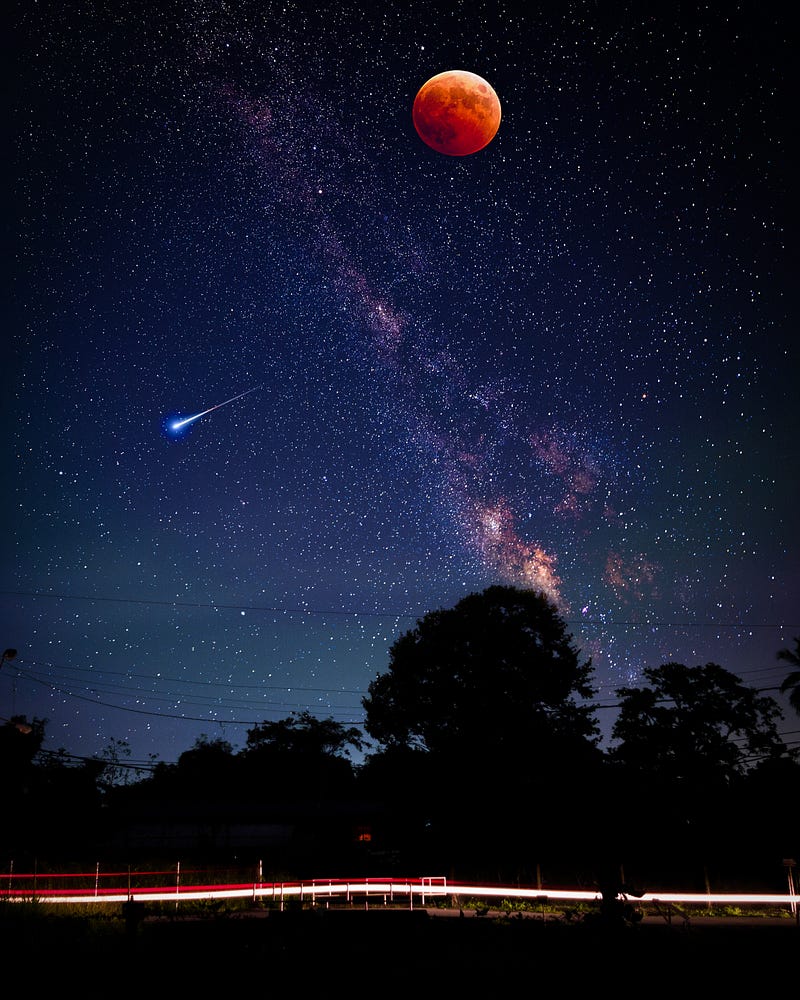
Have you ever looked upon the moon in the peaceful silence of midnight wondering what would life on the moon look like? What would your house on space look like?
Or have you imagined settling far away from planet earth? If so, you are not the only one considering life on the moon. People and nations have attempted various times on buying lands and different people and nations have even labeled the moon to be their personal territory. But what is the truth? Who actually owns the vast land of the moon?
We all have heard that Neil Armstrong was the first person to land on the moon and the first flag to be planted on the moon was of the United States of America but that doesn’t mean that Neil himself or Americans as a nation are the conquerors of the moon.
Well, this also doesn’t mean that they didn’t actually try to occupy the land of the moon, in fact, many countries and many personalities have made numerous attempts to claim the huge land of the moon to be their territory.
Martin Juergens, a German national, in 1996, was one of the very few people who came up with the claim that the moon actually belonged to him and his family, backing this claim with yet another claim that the Prussian King Fredrick presented him this land in 1756.
This was actually claimed in the time period when buying and selling plots on the moon was considered to be a cool and trendy thing back then.
Private companies were operating and earning hugely by dealing in the real estate of the moon. Dennis Hope, another person to claim the ownership of the moon in the 1980s, actually made this declaration after identifying flaws in the laws laid down by the UN and the outer space treaty.
While doing research on the outer space treaty Hope realized that it strictly stated that no nation can own or conquer the moon but it didn’t restrict any person from doing so. He then wrote down a letter to United Nations informing them of his ownership over the moon and started buying and selling land on the moon operating via a private firm known as the lunar embassy. He estimated and sold 1 acre of land of the moon for $25 back then while he even estimated the whole price of Pluto to be roughly $250,000.
While we have examples of such individuals who actually claimed the ownership of the moon, the question arises that can any nation make a claim of such intensity? Currently, the answer to that is “NO”.
The fact that the outer space treaty and Moon Agreement has made such strict laws regarding outer space, that no country can attempt such a claim.
So what is the Outer Space Treaty? Outer Space Treaty refers to a pact signed between nations regarding the guidelines and laws related to outer space. The Outer Space Treaty was signed in 1967, roughly two years before Neil Armstrong landed on the moon and while the three powers UK, USA, and Soviets were in the competition of Space Race. All in all, it was a 17-page document that contained over 300 articles on law related to outer space.
The key points or the main summary of the Outer Space Treaty was as follows:
- The exploration of outer space should be done solely for the purpose that it will benefit all the nations and to be more specific, the whole of mankind.
2. All the nations must be free to explore and visit outer space.
3. No state can declare or claim the ownership of Outer Space.
4. No attempt to place any nuclear weapon or mass of destruction shall be carried out in outer space.
5. The usage of the territory of the moon and its celestial bodies should be done for the sole purpose of peace.
6. All the astronauts in outer space must be looked forward to as the ambassador of entire mankind and they must be protected or helped in case of any emergency.
7. All the space activities carried out by a specific nation make that specific nation responsible for whatever activities performed.
8. States will be held accountable in case of any damage done to outer space by their space activities.
9. The countries should hold their jurisdiction over any object they launch into outer space.
10. States shall not cause any damage to the environment and surroundings of outer space and celestial bodies.
However, in 1979, another treaty was presented among the nation's sort of similar to the Outer Space Treaty but with some advancements and amendments. This treaty was known as the “Moon Agreement”.
The Moon Agreement highlights these main points which differentiate it from the previous signed Outer Space Treaty:
It restricted the nations from testing any sort of nuclear weapon, missiles, or any weapons that leads to destruction from being tested in outer space.
It restricted and banned any specific country to launch their space activity in outer space without the agreement or consent of all the other countries.
The Moon Agreement labeled the Moon and all of its existing natural resources to be the "common heritage of mankind", and no country can claim the moon’s resources or any property of the moon to be its owner.
While as we speak, November 2020, only 18 countries have accepted and signed to this “Moon Agreement” which includes very few of those countries who are actively involved in space activities, like China, Russia, and the United States of America who have not yet accepted or signed this agreement.
Whatever the situation might be, one thing is pretty obvious from all the information up till now, that even after finding traces of a considerable amount of water on the moon, certain organizations have played their key role in keeping the nations and individuals of planet earth away from occupying the moon in the form of certain treaties by keeping them bound under law.
Hence it will not be wrong in saying that, neither any country nor any person had or has up till now owned the moon, ultimately it’s nature who the outer space belongs to and hopefully it won’t get to be a victim of humans destruction in near future.
Thanks for reading!


