
Who Needs The Motivation To Be Productive? Not you.
It’s nice, but there’s something more practical.

We’ve all seen the books, the articles, the seminars.
“GET MOTIVATED NOW!”
“MOTIVATION IS YOUR PATH TO SUCCESS!”
“WHAT ARE YOU WAITING FOR, DUMMY? MOTIVATE YOURSELF OFF THE COUCH!
So… so shouty.
Earnest, but shouty.
I’ve written about motivation before — mostly within the context of freelancing. In fact, whenever the subject comes up, I always share what I consider to be my biggest motivator.
A big old’ stack of bills.
The problem with motivation
What do you do when it’s not there?
Pretty much nothing except feel bad about not feeling motivated and, therefore, not productive. That sort of thing tends to make one spiral downward into a deeper funk.
What if I told you motivation isn’t the most important thing?
It’s really about discipline
If you want to get things done, you need to nurture a sense of discipline.
Easy enough to say, right?
One way to look at building discipline is by building a habit.
Every day, whether I want to or not, I sit my butt down, look at my to-do list, and get to work. Sometimes the work is really interesting. Sometimes it’s even fun. A lot of times, it’s mind-numbingly tedious.
Welcome to the glamorous life of a freelance writer.
But every day, without fail, I sit down with my laptop and get to work. I don’t do it because I’m super-pumped to create. Not every day. I don’t do it because I’m feeling a lot of creative energy bursting forth in need of an outlet.
Not every day.
I do it partly because I have bills to pay, and I do it partly because it’s what I do. I make a pot of coffee, put on some music, and get to work. Even when my daily routine has been thrown off due to travel or family obligations, I still find myself pulling out the laptop or tablet and work for a few hours before taking a break, and then working again.
By the end of the day, I have a bunch of finished tasks checked off, and some larger projects that have come that much closer to completion. I’ve been productive.
“Good for you,” you might be saying. “But what does that have to do with me? I need to feel motivated to be productive.”

The useful part of this article
Here’s how you can start to build the discipline that will help you create and be productive even when you’re not “feeling it.”
Start small
Ask any expert on habit-building, and they’ll all tell you the same thing. Starting big right at the beginning is going to fail more often than not. Habits that begin small and grow gradually over time stand a much better chance of success.
Set a timer for 15 minutes, sit at your desk, and do some small tasks. Answer an email. Browse topics or post to social media something related to the work you do. Update your to-do list.
Once the timer goes off, if you don’t feel like working anymore and can’t stand being at your desk (or wherever you work), then get up and do something else knowing you put in an honest effort.
Try it again a little later, but don’t worry if it still doesn’t take.
Do this again the next day. At the end of the 15 minutes, ask yourself if you can do 15 minutes more.
And so on.
Tweak your environment
Messy workspace? Tidy it.
It may seem like busy work or avoidance, but most people find a tidy, organized workspace more comfortable to work at.
TV or radio on?
Turn that crap off.
I like to work to music. Not loud. No whisper quiet either. Just enough to fill the void of silence.
Let the frogs run wild
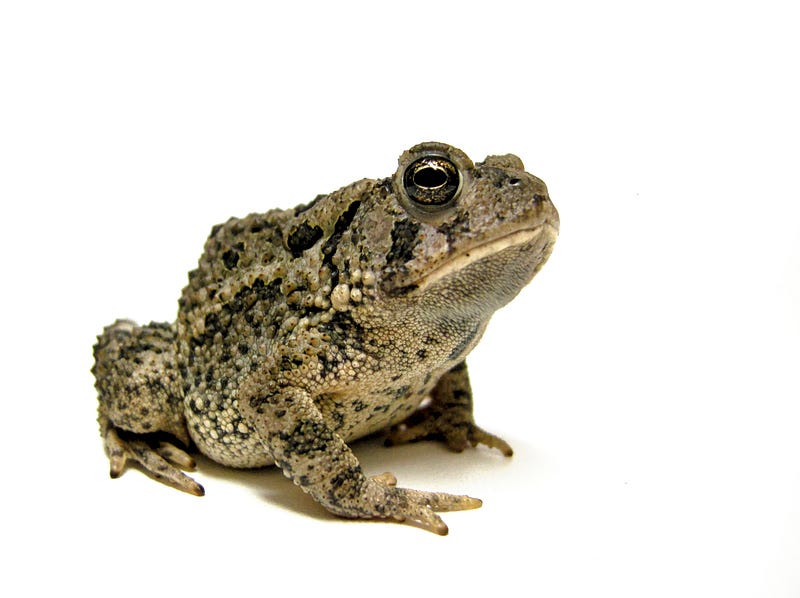
A commonly quoted piece of productivity advice suggests you “eat the biggest toad first.” It was someone’s creative way of suggesting you get the most demanding, unpleasant item on your to-do list taken care of first.
I can’t think of worse advice.
If I’m feeling blocked because of a project I’m not feeling inspired by, I’m going to avoid the whole mess and watch Netflix instead.
Better to look at your to-do list and pick what you want to work on next. After taking care of a few smaller, less intimidating toads, you’re ready to look the giant, ugly toad in the eye, and swallow it whole.
Don’t think you have to go big immediately. You’re better off working your way up to it.
Give yourself a prize!
Hey, it may sound a little childish or condescending, but I’m all for anything that works.
If there’s a task you’re not feeling very motivated to do, but need to get done nonetheless, then bribe yourself.
“Okay, I’ll trudge through this 300-page book on the Osmonds, but I’m as soon as I’m done, I’m buying that fish tank I saw on sale.” Yes, another autobiographical example.
People build good habits with rewards all the time. It seems to work. Eventually, you’ll feel silly rewarding yourself for doing things you should be doing anyway. By that time, however, you’ll have built a productivity discipline that exists outside of the need for constant motivation or inspiration.
Put your pants on
Seriously. How anyone can get any work done without wearing pants is beyond me. Shoes, too.
Victor Hugo was the exception, not the rule.
Motivation and inspiration have their place
Don’t get me wrong. I love being motivated. I love being inspired.
But I got things to do, man. I can’t wait on motivation or inspiration before I tackle the work that pays my bills. I just need to do it. I would love to live in a world where every task fulfills me. I’d also love to live in a world where a fairy left a chocolate on my pillow every night.
Someday, maybe.
Anyway, my final advice is to never stop looking for ways to build motivation and nurture inspiration. Those are fantastic things to have. But don’t let their absence stop you from creating or working. Discipline is the foundation the rest of it is built on.
Building discipline is the thing to focus on.
Once you have that, everything else falls into place.
Thank you for reading. I’d love to share more with you via my Bi-Weekly Word Roundup newsletter sent to subscribers every other Sunday. It will feature news, productivity tips, life hacks, and links to top stories making the rounds on the Internet. You can unsubscribe at any time.