
Who Is The World’s Most Powerful Woman?
Spoiler alert: it ain’t Hillary Clinton or Oprah.
For most of the past 20 years, there was very little debate over who the world’s most powerful woman was: Angela Merkel.
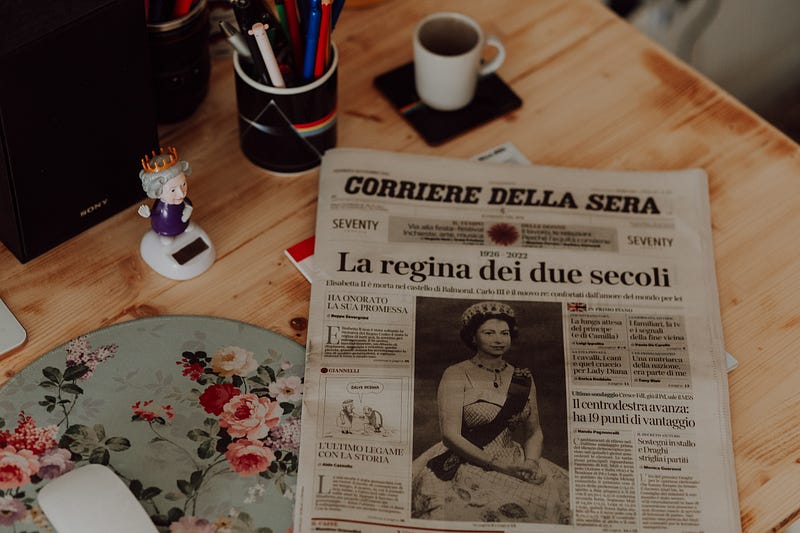
The only women in the same ballpark were Janet Yellen during her very brief tenure as Chair of the US Federal Reserve, and Christine Lagarde as managing director of the IMF. An argument could also have been made that Queen Elizabeth II’s fame and vast cultural influence compensated for her lack of official authority.
Many of the world’s leading men in recent years came from the worlds of spirituality (the Pope, the Dalai Lama), tech megacorps (Elon Musk, Mark Zuckerberg, Jeff Bezos), publishing (Rupert Murdoch, Sheldon Adelson), finance (Warren Buffett, Jamie Dimon) and crime (Joaquín Guzmán).
Women, by contrast, rise to power mostly through politics or activism. A quick Google Search of “world’s most powerful women” throws up names like Greta Thunberg, Nancy Pelosi, Michelle Obama, and Hillary Clinton.

Since there is currently no clear successor to Merkel’s reign as the world’s most powerful woman, I thought I’d toss out some names of women who have the ability to truly move the world in 2023.
Tsai Ing-wen
In 2021, Forbes called Tsai Ing-wen the world’s 2nd most powerful female politician, right after Kamala Harris.
Now, I don’t think Kamala Harris has much real power at all, since she commands little respect and her position doesn’t allow for much autonomy. Tsai Ing-wen, however, is a name that we should all be paying attention to.
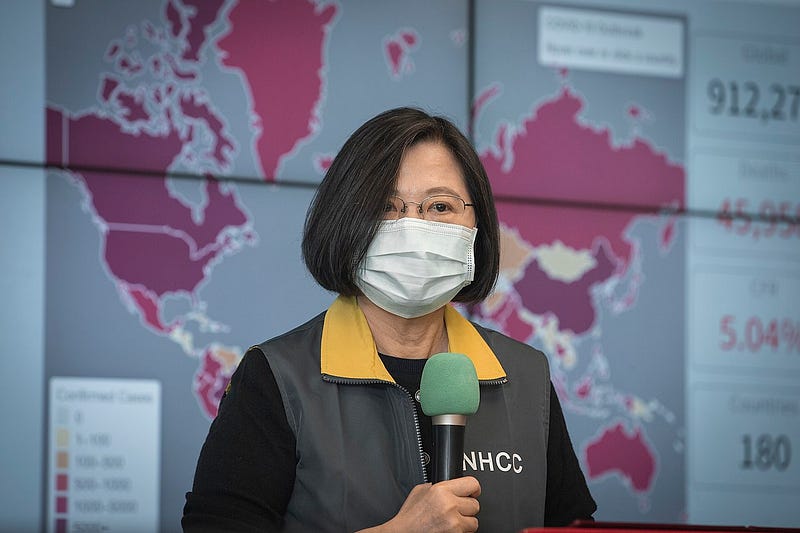
The president of Taiwan for the past 7 years, she has won two elections with a commanding share of the vote and is known for her opposition to the “One Country, Two Systems” model that mainland China endorses, a model that would allow Taiwan to be largely autonomous if it formally accepted mainland rule. Tsai has pointed to that model’s absolute failure in Hong Kong.
If World War III breaks out, it will probably break out in the Asia-Pacific region, and a Chinese invasion or blockade of Taiwan will most likely be the cause. As one of the people most responsible for Taiwan’s relationship with China, I think it’s fair to say that Tsai is one of the world’s most influential women until her term expires.
Giorgia Meloni
This year saw media darlings like Jacinda Ardern and Sanna Marin leave office, but their global fame far exceeded any actual power they wielded as leaders of small countries with little global reach.
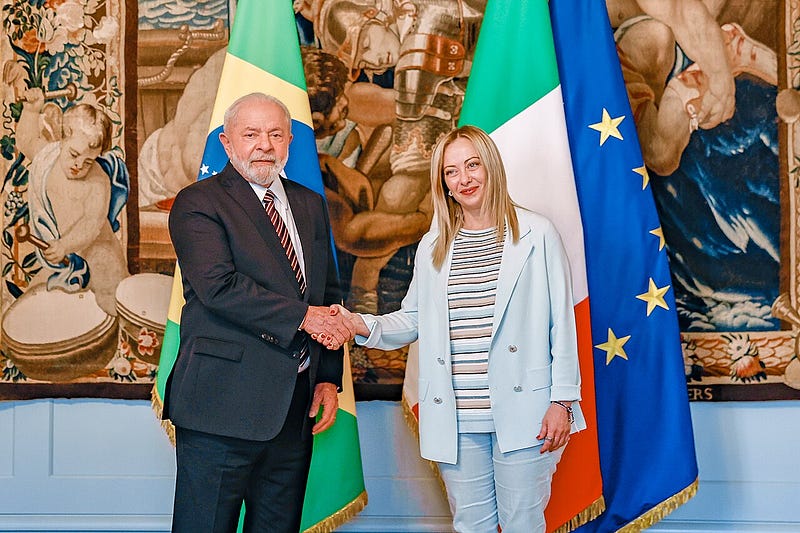
The female world leader who is currently running the most powerful country is Giorgia Meloni. Although Italy is often overlooked as a global power, it has a population only slightly smaller than Britain or France, and the world’s 8th largest economy, ahead of Brazil or Russia.
There are two main reasons why Italy struggles to command respect internationally:
- Historically, Italy has not been interested in playing the great power game. It was late to the colonial game, kept itself quiet during the Cold War, and doesn’t like picking fights with Russia or China
- It is a badly run, indebted, corrupt, unstable country with one of the most extreme regional divides in the developed world and an economy that has been stagnant for the past 20 years
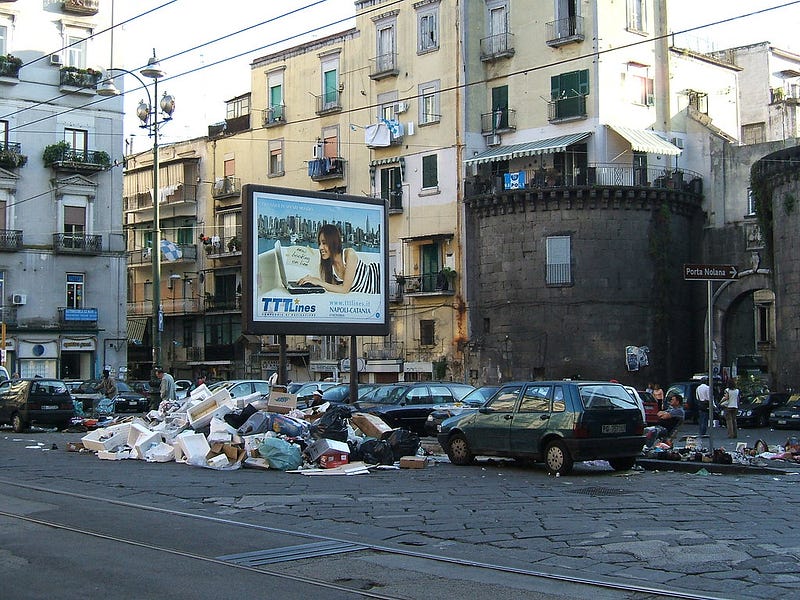
Meloni is as deeply divisive as they come in Italy, but her first year in office has been relatively successful. Her party has remained strong in the polls, the coalition government hasn’t collapsed, she hasn’t been found guilty of corruption, and she has kept European institutions (and their steady flow of money to support Italy’s economy) on her side.
By the standards of recent Italian history, it has been almost miraculously calm. I wouldn’t bet the price of a coffee on it continuing, but it’s a good start.
Meloni is relatively interventionist: she voted for the 2011 military involvement in Libya, supports NATO, has sent weapons to Ukraine with little drama, is a ferocious critic of French foreign policy, and has denounced Islamic fundamentalism in countries like Qatar. If she stays in power and Italy’s economy continues to recover, Italy could become a key player on the global stage.
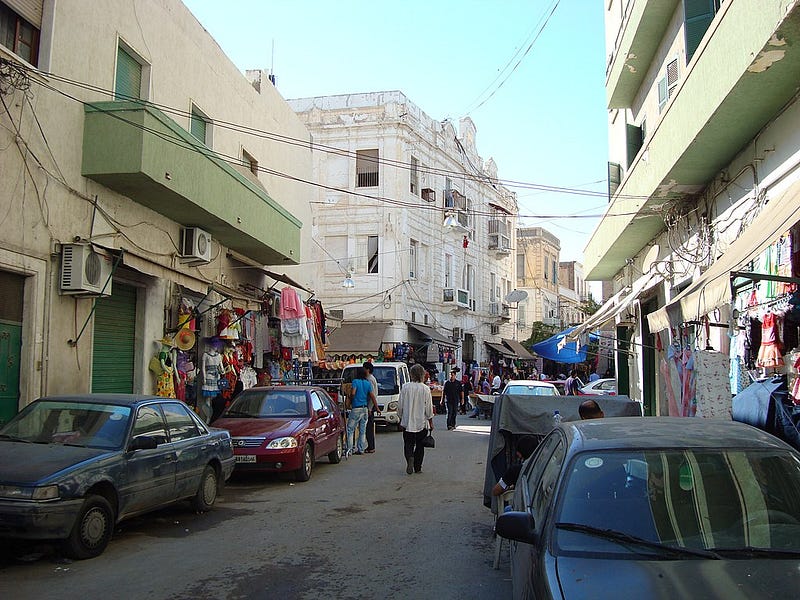
But the issue that is likely to define Meloni’s legacy is her handling of immigration. She is very opposed to it, a stance which is supported by a clear majority of the Italian public.
Italy has long been one of the first ports of entry for migrants from Africa entering Europe, and those migration flows are expected to increase dramatically due to instability in Africa. Many feel that Italy is shouldering an unfair amount of Europe’s migration as a result.
Just as Angela Merkel will be remembered for letting millions of migrants into Germany, Meloni will want to be remembered for keeping them out of Italy.
Christine Lagarde & Kristalina Georgieva
From 2011 to 2019, the IMF’s managing director was Christine Lagarde, a French woman.
The IMF is best known for acting as the lender of last resort for countries in crisis. When your country can no longer afford food and its banks are collapsing, the IMF will step in, demand reforms to make your economy more robust (like public sector pay cuts and reductions in worker rights) and give you some cash to help you survive the bad times. To bail out these countries, it has lending power of about $1 trillion.
Lagarde won a reputation for competence by helping manage the European financial crisis and Greek bailout in her first term at the IMF.
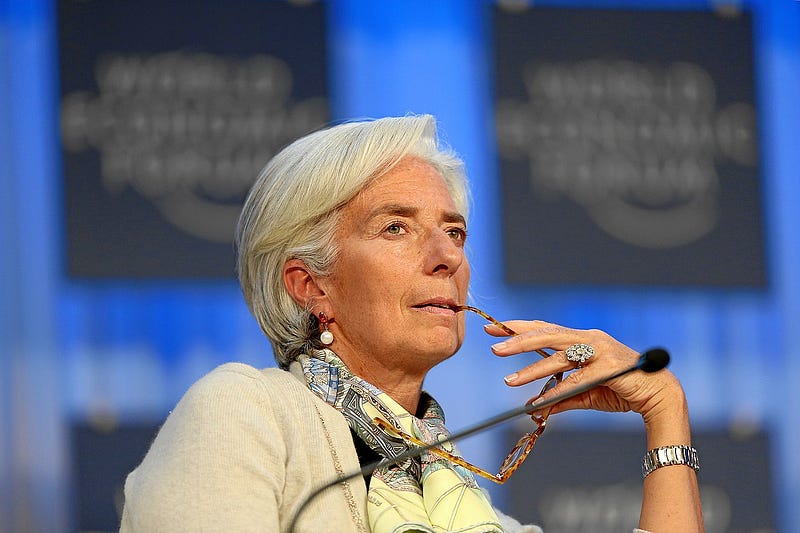
Despite expressing a lack of interest at one point, she decided to apply to be chair of the European Central Bank (perhaps she no longer wanted to live in Washington DC, where the IMF is based) and was successful, even though she lacked formal economic credentials.
“I’ve studied a bit of economics, but I’m not a super-duper economist.” — Christine Lagarde
The ECB is one of the two most influential central banks, along with the US Federal Reserve, and is responsible for printing the euro.
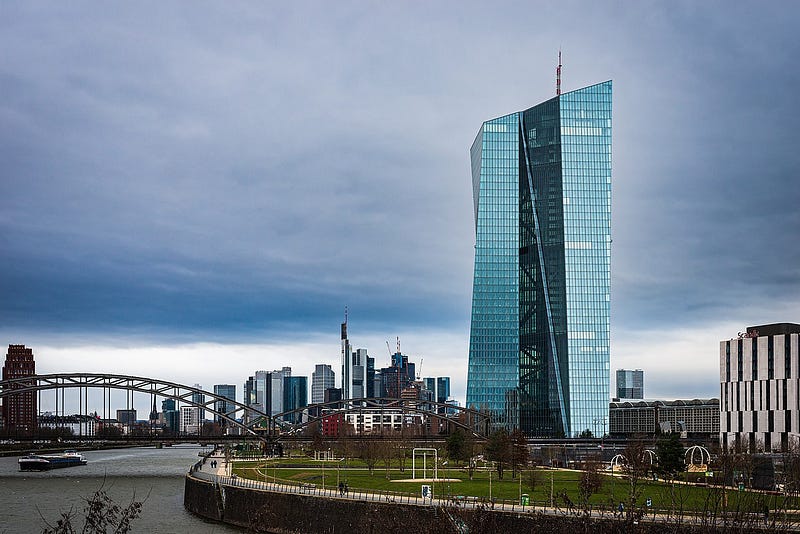
When Lagarde stepped down, Bulgarian economist Kristalina Georgieva replaced her as head of the IMF. She has been tarnished by her involvement in scandal; during her time at the Word Bank, she ordered staff to inflate data on China’s economic performance to make its economy look more robust.
In years to come, Georgieva will probably have a lot of work to do. If the global economy soon collapses, as expected, she will have a vital role to play in the reconstruction, as the IMF will reshape the economies of many nations in crisis.
Ursula von der Leyen
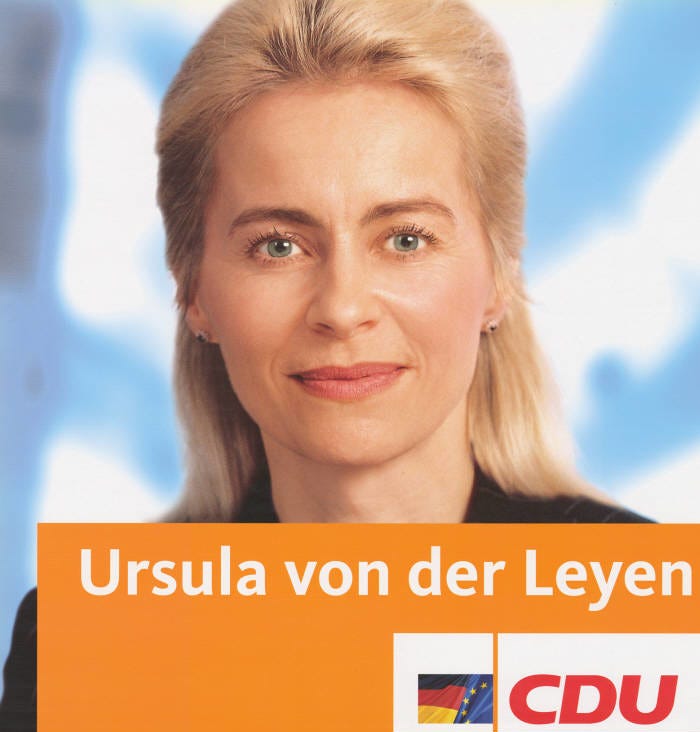
A member of EU administrative royalty (her father was one of the first European civil servants), von der Leyen is now the president of the European Commission, making her arguably the most powerful person in the EU except for heads of state like Emmanuel Macron.
A high-profile German defence minister before her days running the EU, von der Leyen is known to be very enthusiastic about a more integrated “United States of Europe”, which she wants to have its own army.
She came under justified criticism during the COVID-19 pandemic for her involvement in the EU’s extremely poor vaccine distribution strategy. At a time when the UK had already signed contracts with AstraZeneca, Pfizer/BioNTech, GSK/Sanofi, Novavax and Johnson & Johnson, the EU had made no firm decisions.

Rather than owning up to the organisation’s (and her) failings, she deflected criticism and attempted to block media requests. Similar character failings have been evident throughout her career, all the way back to her plagiarising significant portions of her doctoral thesis.
My opinion is that von der Leyen is incompetent, and has risen to such heights out of a combination of extraordinary family privilege (including quite a few aristocrats) and dogged loyalty to Angela Merkel. Yet for better or worse, there is little denying that von der Leyen is one of the most powerful women in the world.


