Who is Anansi the Spider?
It has come to my attention that some people might not be aware of the West African folklore hero (or god in some stories) Anansi the Spider. So, in an attempt to educate and keep readers reading my quirky stories, I have created a short introduction to the character and his significance to African and American culture.
By the way, this article is an extremely abridged, crash course on Anansi. There are several online sources if you are interested in a more in-depth look at ‘ole Mr. Nancy.
Origins of Anansi in West Africa
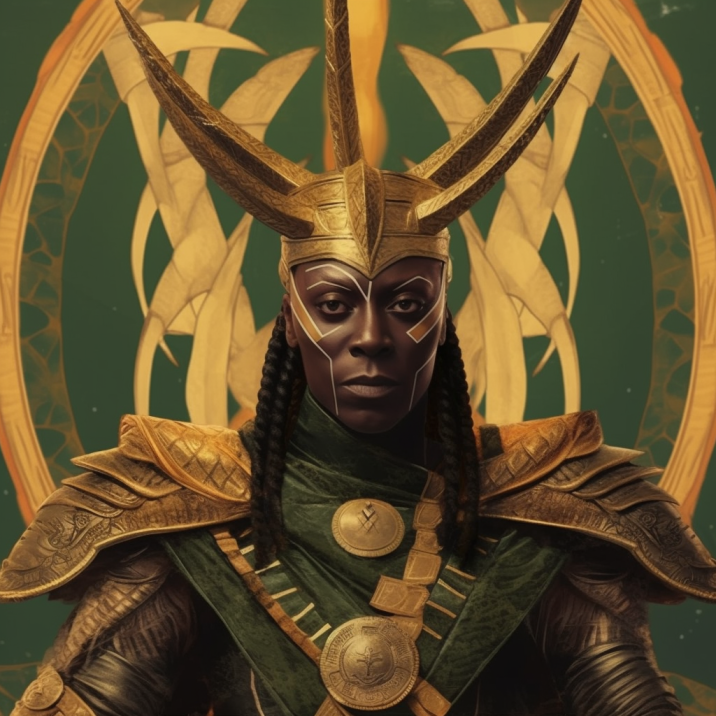
Anansi, also known as Kwaku Ananse or Ananse Ntontan, is a prominent figure in Ashanti and Akan folklore from Ghana. He’s not your ordinary spider — he’s a clever trickster who weaves intricate webs of deception to outsmart more powerful adversaries. Anansi is like a superhero and anti-hero rolled into one, showing off the crazy complexity of human nature. He’s essentially West African Loki!
Anansi's stories, known as Anansesem or "spider tales," were traditionally passed down through generations orally, serving as a medium for teaching morals, values, and cultural norms. These stories were interwoven with everyday life, addressing themes such as wisdom, greed, justice, and the consequences of one's actions. Anansi's character served as a mirror through which individuals reflected upon their own behavior and choices, for better or for worst.
Migration of Anansi's Folklore to the United States
The transatlantic slave trade brought millions of Africans to the Americas, carrying with them their rich cultural heritage. As enslaved Africans were forcibly transported to the United Colonies (later becoming the United States), they brought along their languages, religions, music, and folklore, including the tales of Anansi the Spider. This migration became a pivotal moment in the historical significance of Anansi's folklore as it fused with African American culture.
Anansi in American Literature and Oral Tradition
In the United States, Anansi's stories became an integral part of African American oral tradition, serving as a means of preserving cultural heritage and resisting the dehumanizing effects of slavery. Enslaved African Americans used these tales as a form of coded communication, allowing them to express their frustrations, share wisdom, and instill hope without arousing suspicion from their captors.
During the Harlem Renaissance in the 1920s, Anansi's folklore experienced a resurgence. Writers such as Zora Neale Hurston incorporated Anansi stories into their works, recognizing their literary value and the universality of Anansi's character. Hurston's collection "Mules and Men" (1935) and her novel "Their Eyes Were Watching God" (1937) feature Anansi tales, highlighting his enduring influence on African American literature.
Legacy and Popularity in Modern Culture
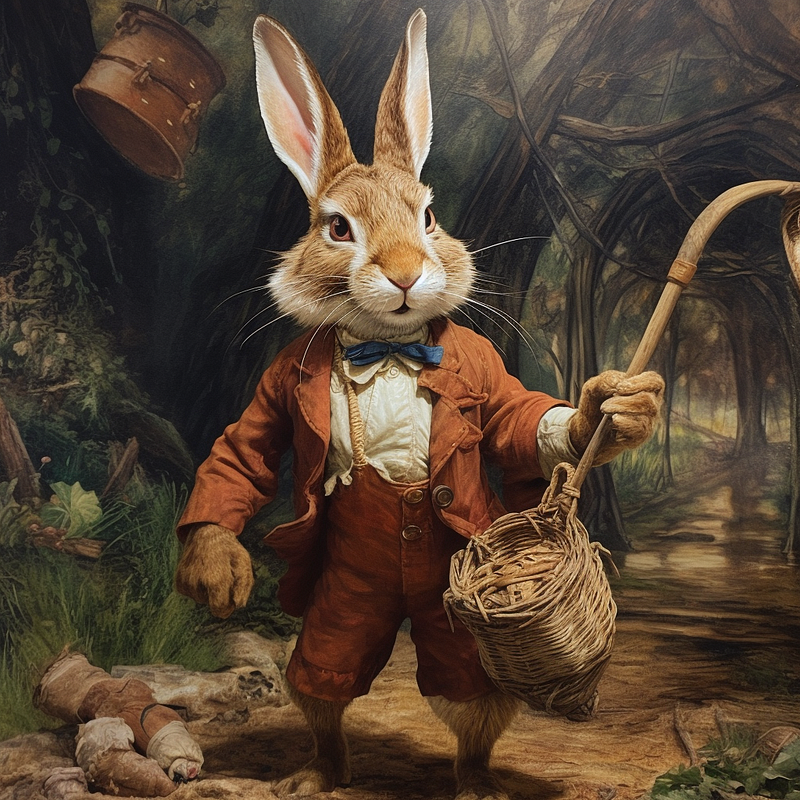
Anansi's legacy extends beyond literature, permeating various aspects of modern culture. His cunning and quick thinking have influenced popular characters like Br'er Rabbit. Remember Br’er Rabbit from that Disney special “Songs of the South?”
Moreover, Anansi's stories continue to be shared in West African and African American communities, preserving cultural identity and fostering a sense of belonging.
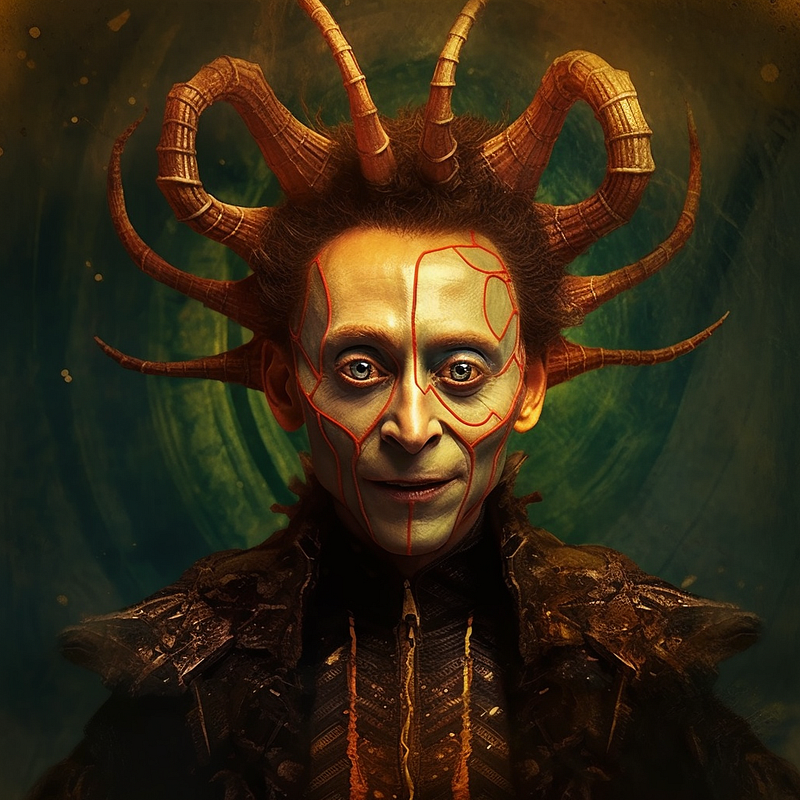
And in that, I conclude this TED Talk on Anansi. I would go on but the Medium gods frown upon longer articles in my experience. And because I’m such an equitable person, and an image of Black Loki might have unintentionally triggered a couple of readers… I’ve included an AI-generative image of Tom Hiddleston as Anansi the Spider.