avatarGita Das

Summary

The provided text reflects on the cyclical nature of racial injustice and the societal undervaluing of black lives, questioning the origins of such deeply ingrained prejudices and advocating for a recognition of the interdependence of all aspects of existence.

Abstract

The author of the text delves into the recurring themes of racial inequality and the tokenistic attention given to black lives only during times of crisis or injustice. The narrative points out the perpetuation of systemic racism through generations, rendering the black community as the perennial 'underdog' due to an overabundance of melanin. It criticizes the societal norms that exclude black individuals from being considered 'normal' and highlights the repetitive cycle of outrage followed by superficial legal reforms that fail to address the core issues. The text also challenges the reader to consider why black lives are only deemed significant in the face of tragedy, and not during moments of everyday discrimination or when harmful stereotypes are perpetuated. Furthermore, it ponders the arbitrary assignment of value to skin color, questioning the cultural constructs that equate whiteness with purity and blackness with evil. The author concludes with a philosophical inquiry into the necessity of contrasts in life, suggesting that understanding and acceptance are born from the acknowledgment of duality in the world.

Opinions

  • The author expresses a deep frustration with the cyclical pattern of societal response to racial injustice, where temporary outrage is followed by a return to the status quo.
  • There is a critical view of the education system and societal norms that perpetuate negative stereotypes about black people, particularly the notion that 'black is ugly and dubious'.
  • The text suggests that laws and regulations implemented in the name of equality and protection are often inadequate and fail to bring about genuine change.
  • The author challenges the reader to think about the daily struggles of black individuals, which are often overlooked unless they escalate into extreme incidents.
  • A philosophical stance is taken on the concept of duality, implying that light cannot be appreciated without darkness, and that recognition of this interdependence is crucial for understanding life's contrasts.
  • The author questions the societal constructs that assign moral values to colors, such as associating white with goodness and black with evil.
  • There is a call to recognize the equal value of all human lives, irrespective of race, and to dismantle the deep-rooted prejudices that have persisted for centuries.

Who can answer? I find none
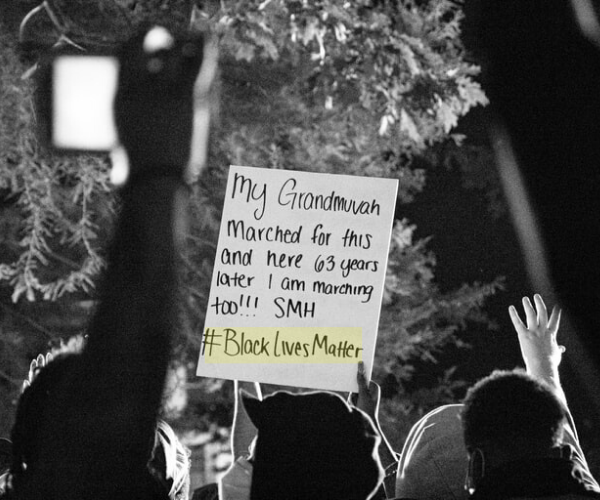
Thou shalt love thy neighbor as thyself

Long after the noise has died down, the anger burnt out, the voice is subdued and faintly audible. Everything will get back to ‘normal’ as normal as it was before the up-rise. Again they will get back and be the underdog not because they have no choice but because generations before them have been so and so they continue. It is normal. Again they will be excluded from being normal for possessing too much melanin. It is a fact. Again and again and again until another ghastly incident sparks off another outcry. It is a repetition of history. Again new laws and regulations in the name of protection and equality. It is run of the mill. For centuries this has been so and for centuries will it continue? Who can answer? I find none.

Why is it that black lives matter only when raped, murdered or insulted? Why does it not matter every day when he is ignored and bullied by subtle words and mean acts? Why does it not matter when a white child is taught ‘black is ugly and dubious’ ? Why does it not matter when a hurt black child is taught ‘to ignore and move on’ by his mother ? Why is it that always white is right and black is black? Why is Angel white and Devil black? Who made black and white? And who created good and evil? Who is it that made men and women? And who said and spread, “One is less than the Other”? Who can answer? I find none.

Why do stars twinkle only at night? Why do we see glow worms after dusk? Can the day be bright without the darkness of night? When can we learn one cannot be there without the other? You are there because they are there.

Can anyone see the answer? I find none.

© 2020, Gita Das.

Image by Koshu Kunii at Unsplash

BlackLivesMatter
Racism
Poetry
George Floyd
Police Brutality
Recommended from ReadMedium