
Who Are Your Heroes?
A commencement address
I came here today with three questions; one for me, one for you, and one for us.
I stand before you and remember that I was your age and sitting there a few decades ago, half-listening to some half-wisdoms. I was thrilled to be there, of course. It was a special day for our family, even more than we thought. My mother unexpectedly died on the evening of this special day.
She had a favorite quote I had never understood. That day, it partially revealed itself. Of course, it’s now my favorite quote. It’s from Carl Jung, a Swiss psychologist, and psychiatrist.
One who looks outside, dreams. One who looks inside, awakens.
That day and the following weeks and months, I took a hard look inside. I went deep into the darkness. In some ways, I wish I could have gone further — the deeper you get, the more of your fears you conquer — but I didn’t have the strength at the time.
Standing in front of you, I remember this day. And, more importantly, I remember my parents when they had your age. Both of them were the first to attend the University in their families. It was a big thing for them. I hope it’s a big thing for you.
What’s interesting here is that we rarely see our parents as individuals having needs, fears, hopes, and dreams. We’re very selfish in our relationships with them, and they’re very selfless in their relationships with us.
I wish I had shown more gratefulness towards them, but I know my mother would have preferred me to show solicitude towards less fortunate people instead. And that’s a question I ask myself when I’ve got doubts on the path to follow, “what would my mother do?”
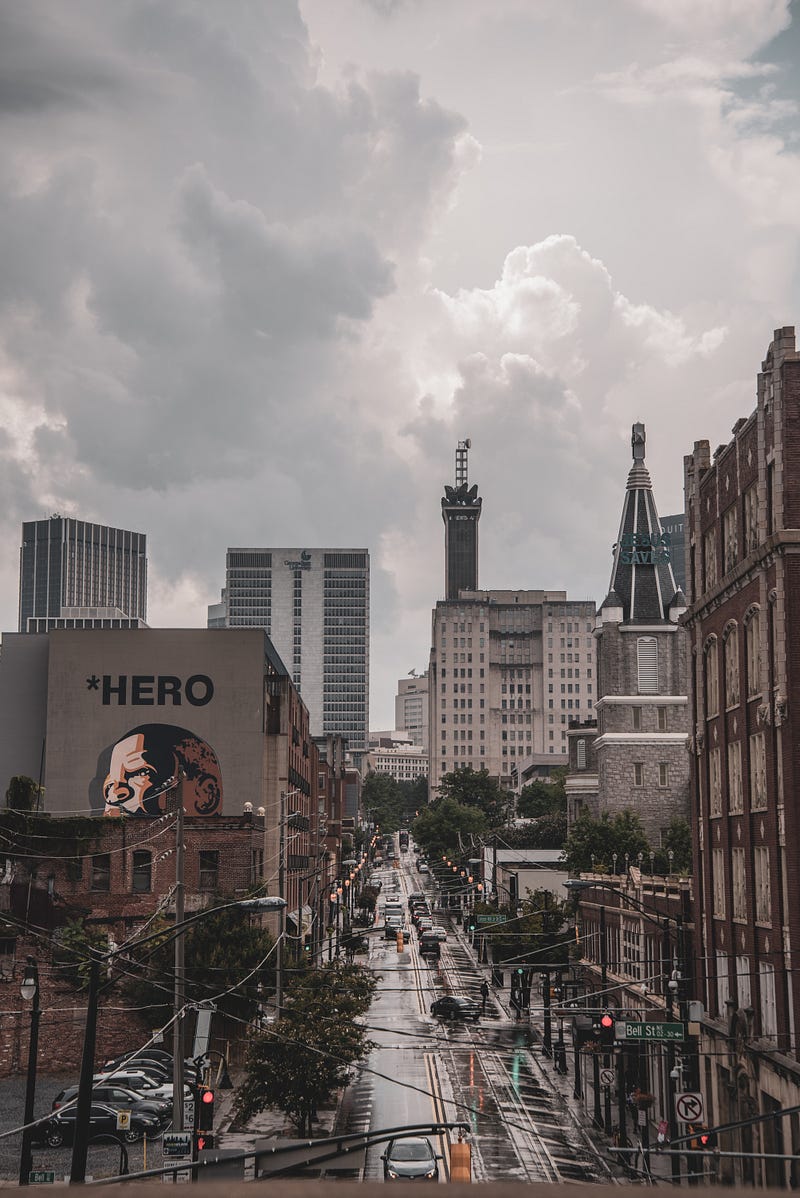
By leaving us too soon, my mother stayed this flawless hero she had been during my childhood. She’s one of my heroes. And this is my question for you, “who are your heroes?”
Choose them wisely, as you choose your friends. Your heroes are the closest people to you mentally; they shape and define your thoughts.
Our society, through its memes, apps, and algorithms, promotes a culture of selfishness. Not one of selflessness. In pursuit of the lifestyle of our advertised heroes, we sacrifice our environment and our kin. More than 24,000 people are dying of hunger every day.
Is this what we want?
Do we want to accumulate as many things as possible, or do we agree with Noam Chomsky?
“People want dignity and a sense of self-worth, and a sense of creating and doing something important. That’s who we are.”
Today, I want to encourage you all to look inside yourselves. I would love it if you reached a better understanding of your needs, fears, hopes, and dreams. Not the ones you’ve been manipulated to think are yours.
We need to think critically and shape our thoughts the way we want by choosing our heroes.
Manipulation’s everywhere; it’s part of any private or public narrative.
I went as far as lying about my mother’s death to show this to you.
This is my last question — for us, “in our quest for more, does the end justify the means?”


