avatarSally Prag

Free AI web copilot to create summaries, insights and extended knowledge, download it at here

4095

Abstract

never I could.</p><p id="4ac0">St. Ives, Land’s End and the Lizard were places that I traipsed during those years. Not in any way dealing with the hardships that Raynor and Moth did, I still managed to live moments of the wild coastal experience, pitching up in a National Trust car park near St. Agnes one night, and camping upon a tiny ledge that was cut off by the tide at Kynance Cove another.</p><p id="034a">I was with my boyfriend at the time and, on that occasion, we made a campfire and put potatoes wrapped in silver foil into the embers for our dinner. Unfortunately, we managed to burn most of the potatoes, and so, went pretty hungry overnight while the waves crashed against the rocks on all sides of us.</p><p id="dec0">The tide had receded by morning and we walked for three hours before getting anything for our breakfast.</p><p id="c04e">Later, I lived on a farm just off the coast path near the town of Looe. A part of the farmland had the most beautiful views over the Atlantic from high above the sea. One of my favourite things to do was to walk the coast path into Looe and fill my tummy with the best of the Cornish treats; pasties, cider, fudge, ice creams, clotted cream with scones — it was all delicious.</p><p id="4784">On occasions, we would walk on for another five miles to the tiny fishing port of Polperro. Such a beautiful and idyllic spot it was, and my artist friend, Sophie, would dream of renting a little loft space in one of the old fisherman cottages, where she imagined herself painting away the days and nights.</p><h1 id="d188">The South Devon coast</h1><p id="b23d">These days I live in the less rugged and wild, yet still wild-enough regions of South Devon.</p><p id="764a">My absolute closest part of the coast path is the one area that Raynor and Moth skipped, due to it being built up. A wise move, for sure, although yet a stunningly noteworthy stretch of coastline. Even within the constraints of the big sprawling town of Torquay (of Fawlty Towers fame) the rugged coastline dips often into woodland, with no houses to be seen.</p><figure id="a41d"><img src="https://cdn-images-1.readmedium.com/v2/resize:fit:800/1*Aq4LPCL9EH-MG-Ud-PgwbA.jpeg"><figcaption>My dad and me at Brixham with Torquay’s headland in the background. © <a href="undefined">Sally Prag</a></figcaption></figure><figure id="9efe"><img src="https://cdn-images-1.readmedium.com/v2/resize:fit:800/1*EVKNw4JtUvbvEgG6Ob_bHg.jpeg"><figcaption>Brixham Harbour. © <a href="undefined">Sally Prag</a></figcaption></figure><p id="94e9">My father lives in Brixham, where they re-joined the path, and “life was back to normal”. As in, there was enough open space and wild-camping potential.</p><p id="9056">When I look over the book now, I realise how much one can miss, even when walking slowly on foot. The beauty of Berry Head and the resident seals went unnoticed by them.</p><p id="ce4c">Skipping past the many coves of the South Devon coast, there was no mention of the dolphins, more seals, or the changing colour of the earth from bright red back to regular brown. It makes me acutely aware of how special every step on this trail is, and how each visit can bring new sights, smells and experiences.</p><figure id="1e49"><img src="https://cdn-images-1.readmedium.com/v2/resize:fit:800/1*KvoCUM6msszo9QQXgo3ZUA.jpeg"><figcaption>Inner Hope Cove, Devon. © <a href="undefined">Sally Prag</a></figcaption></figure><figure id="87a5"><img src="https://cdn-images-1.readmedium.com/v2/resize:fit:800/1*mZ8tE6qvyDcfmguPotna6Q.jpeg"><figcaption>Me on the South West Coast Path above Gara Rock. © <a href="undefined">Sally Prag</a></figcaption></figure><p id="5f63">For too many years, my life has been too busy by far to make a regular habit of walking the coast path. Well, enough of that — I am making the decision now that my dog, Ginger, and I will be out, traipsing the most beautiful parts of the coast every single week, come rain or shine. Y’know, Raynor and Moth hardly had the luxury to be fair weather-only walkers, so who am I to be choosy?</p><p id="b206">The <a href="https

Options

://www.southwestcoastpath.org.uk/">South West Coast Path website</a> has a wonderful section explaining the best walks with dogs with printable maps. That will be me sorted.</p><p id="07dd">This weekend, we began with the walk from Broadsands Beach, through Elberry Cove, then Churston with its <a href="https://www.hauntedrooms.co.uk/product/churston-court-inn-brixham-devon">famous haunted Churston Court Inn</a>, to Brixham. I didn’t need a map, since I have already done that part — but only since Ginger came to live with me last year, and that first time I certainly could have done with one.</p><figure id="4ff5"><img src="https://cdn-images-1.readmedium.com/v2/resize:fit:800/1*1qRBEjfXlrHXIl-LgIMbyQ.jpeg"><figcaption>The railway bridge at Broadsands. © <a href="undefined">Sally Prag</a></figcaption></figure><figure id="8e30"><img src="https://cdn-images-1.readmedium.com/v2/resize:fit:800/1*LJnby_yMDreIzs7YlZfOWQ.jpeg"><figcaption>Elberry, Devon. © <a href="undefined">Sally Prag</a></figcaption></figure><h2 id="2987">Cornwall, Cornwall…I miss you so…sometimes.</h2><p id="f608">Cornwall is unique. The vegetation looks and smells different from the vegetation here in Devon. The wild sea kale and wild onions grow in patches along the coast path at this time of year and, along with the nettles, dandelions and cleavers, you can gather enough wild greens to make a nourishing soup, or just nibble them raw.</p><p id="b0cb">I love Devon, my home, and its beaches and coastline. They, too, are dramatic, magical and wild in places. But just crossing the River Tamar, the river that divides Devon and Cornwall, I find myself in a whole other land of mystery and myth — of King Arthur, and of Cornish pixies and faeries.</p><p id="aefd">And so, back along the Cornish coast I am walking this spring.</p><p id="e49e">Destination number one will be Tintagel, the legendary home once of King Arthur…</p><p id="f98c">Coming to this space soon. I hope you’ll join the virtual experience 💜</p><figure id="0798"><img src="https://cdn-images-1.readmedium.com/v2/resize:fit:800/1*sh4K3KEiZPPsD7ueb384tQ.jpeg"><figcaption>A heart-shaped rock on Brixham Breakwater Beach. © <a href="undefined">Sally Prag</a></figcaption></figure><p id="8d1f">Check out Linda’s review here:</p><div id="8a0c" class="link-block"> <a href="https://readmedium.com/love-over-everything-the-salt-path-hit-bestseller-80-weeks-in-a-row-6621ace08ae7"> <div> <div> <h2>Love Over Everything. “The Salt Path” Hit Bestseller 80 Weeks In A Row</h2> <div><h3>If you loved “WILD” by Cheryl Strayed, read this book</h3></div> <div><p>medium.com</p></div> </div> <div> <div style="background-image: url(https://miro.readmedium.com/v2/resize:fit:320/1*kEWzcOz_rEaPQQJ2w8eFiA.jpeg)"></div> </div> </div> </a> </div><div id="fe60"><pre>Thanks for reading<span class="hljs-comment">! If you aren’t yet a Medium member and would love to have unlimited access to read the work of all your favourite writers, please consider joining through my referral link.</span></pre></div><p id="4bee"><i>While you’re here, why not check out my story about the city that inspired much of the Harry Potter stories:</i></p><div id="4537" class="link-block"> <a href="https://readmedium.com/discovering-the-city-with-the-worlds-narrowest-street-and-harry-potter-s-origins-b38d043108fa"> <div> <div> <h2>Discovering the City with the World’s Narrowest Street and Harry Potter’s Origins</h2> <div><h3>I took my countrified children and my father to the city for the day and here’s what we found</h3></div> <div><p>medium.com</p></div> </div> <div> <div style="background-image: url(https://miro.readmedium.com/v2/resize:fit:320/1*EtkOeG5GkT4rbzDy2WvG6w.jpeg)"></div> </div> </div> </a> </div></article></body>

BOOKS | TRAVEL

While Lots of You are Reading “The Salt Path”, I am Over Here Walking it

Craving the ocean after a long winter, I am re-treading old paths
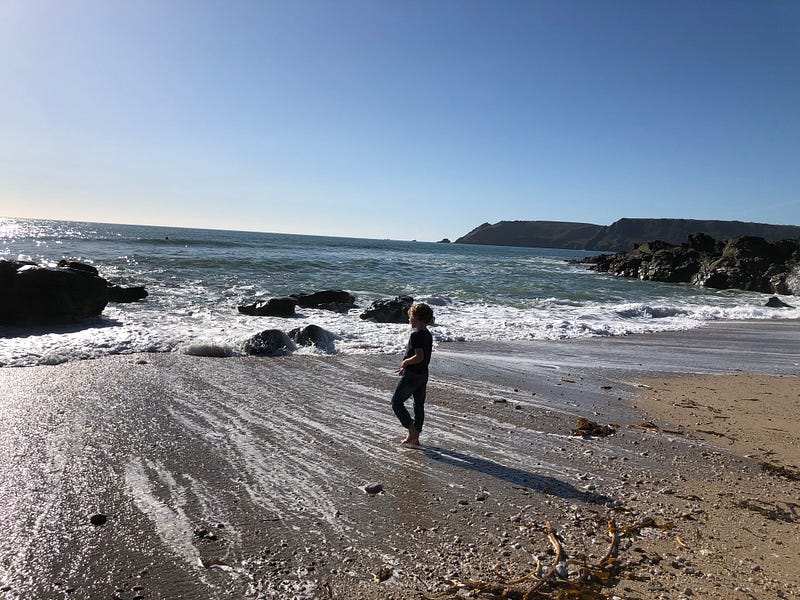
My son at Gara Rock, Devon, in March. © Sally Prag

The sea calls to me a lot.

I am fortunate enough to live close to the coast in South Devon, where there is an uninterrupted trail for 630 miles around the southwestern edge of England. Named The South West Coast path, for obvious reasons.

My home is just within the southern border of Dartmoor National Park; a large semi-wilderness of gorse, bracken and heather-covered moorland and rocky granite tors. There are rivers cutting through from springs at the highest points, and it is dotted with small villages, hamlets and rural farmsteads. Ponies roam free and farmers put their cows and sheep out to graze freely on the open moorland. Shelter from the elements is found only in the wooded river valleys.

During the winter months, I walk on the moor a great deal but, as the weather warms, it’s the coast I crave. Often, as soon as the sun arrives in March/April, I am heading down to the coast.

Spring is the perfect time to get on these paths, often dry and sunny but not yet too hot. So, this year, like every year, I will be walking around headlands in South Devon.

For the last few months, however, the wild cliffs and the Arthurian legends of Tintagel have been calling me. Probably the most rugged part of the north Cornish coastline, it can be an absolute delight or a miserable disaster, and the Atlantic weather is to blame for either.

They called, but I have waited for the better weather. And, now, that better weather is here.

The Salt Path revisited

In recent weeks, writers across Medium have been showing an interest in this very coast path. It is the focus of the book, The Salt Path by Raynor Winn, which Linda Caroll reviewed in this story, and which Scot Butwell used as the gateway to a bookclub. Their stories have inspired me to do more than just visit Tintagel, but to walk along the route to return to some of my favourite haunts, while also discovering new ones.

Raynor and Moth chose to immerse themselves in the wilderness, in nature, exposed to all of the elements, when they lost their home due to the failings of the bureaucratic system and were left penniless. They could have chosen council-arranged emergency accommodation but they needed to heal their broken souls more than they needed a roof over their heads.

They are outdoor people through and through, and so they went where they knew they would, at the very least, be in touch with that. I relate completely.

Having already read the book, I picked it up again and re-followed Raynor and Moth’s path along the horribly steep paths of the North Devon coast, around Cornwall and, later, South Devon where I live. As I read, I can picture much of it, for I have loved and walked these parts since my early twenties.

Back then, I was a volunteer for a charity that did lots of fundraising along the North Devon coast. Wild camping and walking the paths were part of the fun of being given the task of managing the area, and I would take the liberty to venture further along it, whenever I could.

St. Ives, Land’s End and the Lizard were places that I traipsed during those years. Not in any way dealing with the hardships that Raynor and Moth did, I still managed to live moments of the wild coastal experience, pitching up in a National Trust car park near St. Agnes one night, and camping upon a tiny ledge that was cut off by the tide at Kynance Cove another.

I was with my boyfriend at the time and, on that occasion, we made a campfire and put potatoes wrapped in silver foil into the embers for our dinner. Unfortunately, we managed to burn most of the potatoes, and so, went pretty hungry overnight while the waves crashed against the rocks on all sides of us.

The tide had receded by morning and we walked for three hours before getting anything for our breakfast.

Later, I lived on a farm just off the coast path near the town of Looe. A part of the farmland had the most beautiful views over the Atlantic from high above the sea. One of my favourite things to do was to walk the coast path into Looe and fill my tummy with the best of the Cornish treats; pasties, cider, fudge, ice creams, clotted cream with scones — it was all delicious.

On occasions, we would walk on for another five miles to the tiny fishing port of Polperro. Such a beautiful and idyllic spot it was, and my artist friend, Sophie, would dream of renting a little loft space in one of the old fisherman cottages, where she imagined herself painting away the days and nights.

The South Devon coast

These days I live in the less rugged and wild, yet still wild-enough regions of South Devon.

My absolute closest part of the coast path is the one area that Raynor and Moth skipped, due to it being built up. A wise move, for sure, although yet a stunningly noteworthy stretch of coastline. Even within the constraints of the big sprawling town of Torquay (of Fawlty Towers fame) the rugged coastline dips often into woodland, with no houses to be seen.
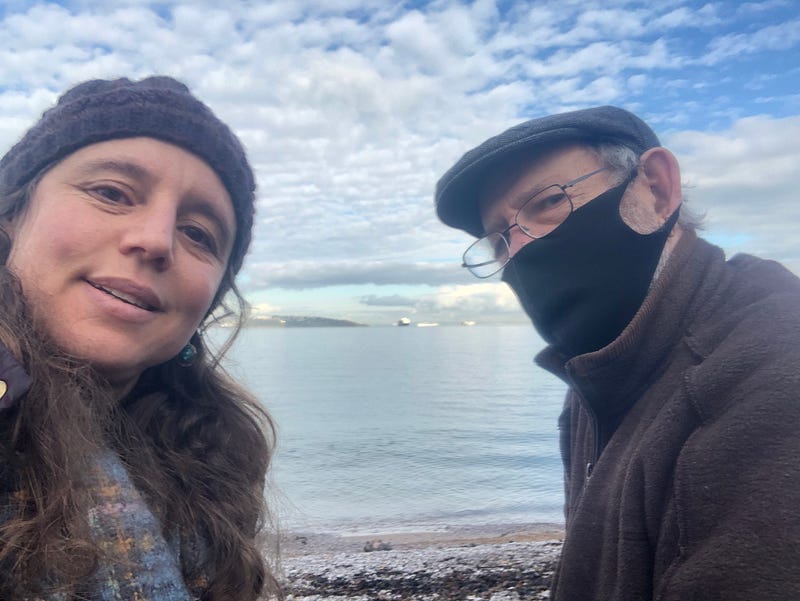
My dad and me at Brixham with Torquay’s headland in the background. © Sally Prag
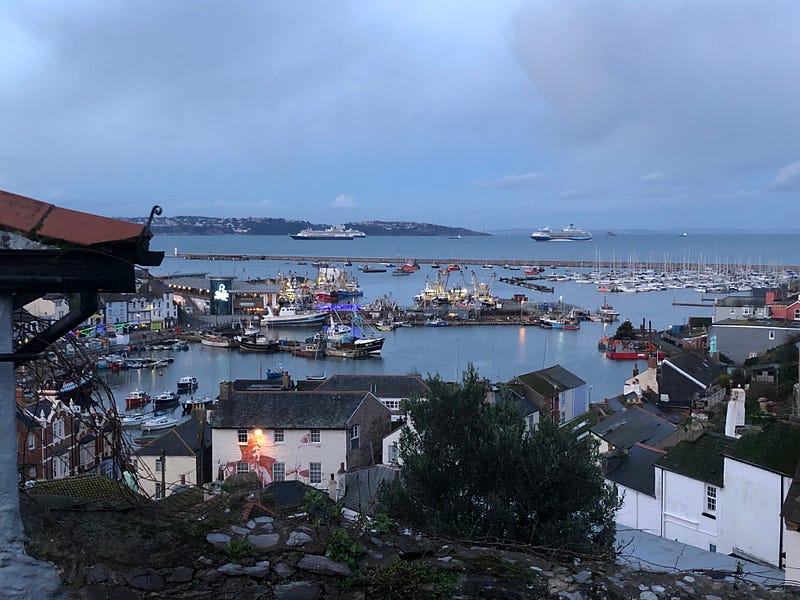
Brixham Harbour. © Sally Prag

My father lives in Brixham, where they re-joined the path, and “life was back to normal”. As in, there was enough open space and wild-camping potential.

When I look over the book now, I realise how much one can miss, even when walking slowly on foot. The beauty of Berry Head and the resident seals went unnoticed by them.

Skipping past the many coves of the South Devon coast, there was no mention of the dolphins, more seals, or the changing colour of the earth from bright red back to regular brown. It makes me acutely aware of how special every step on this trail is, and how each visit can bring new sights, smells and experiences.
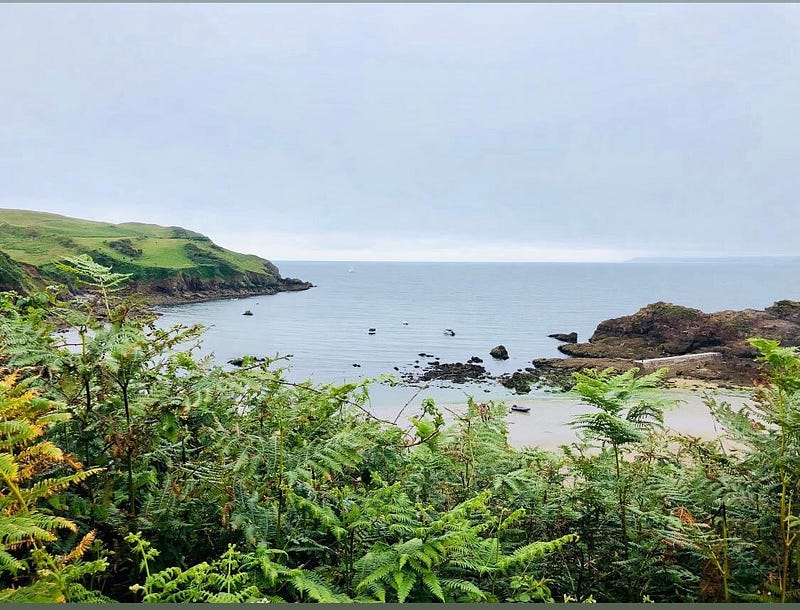
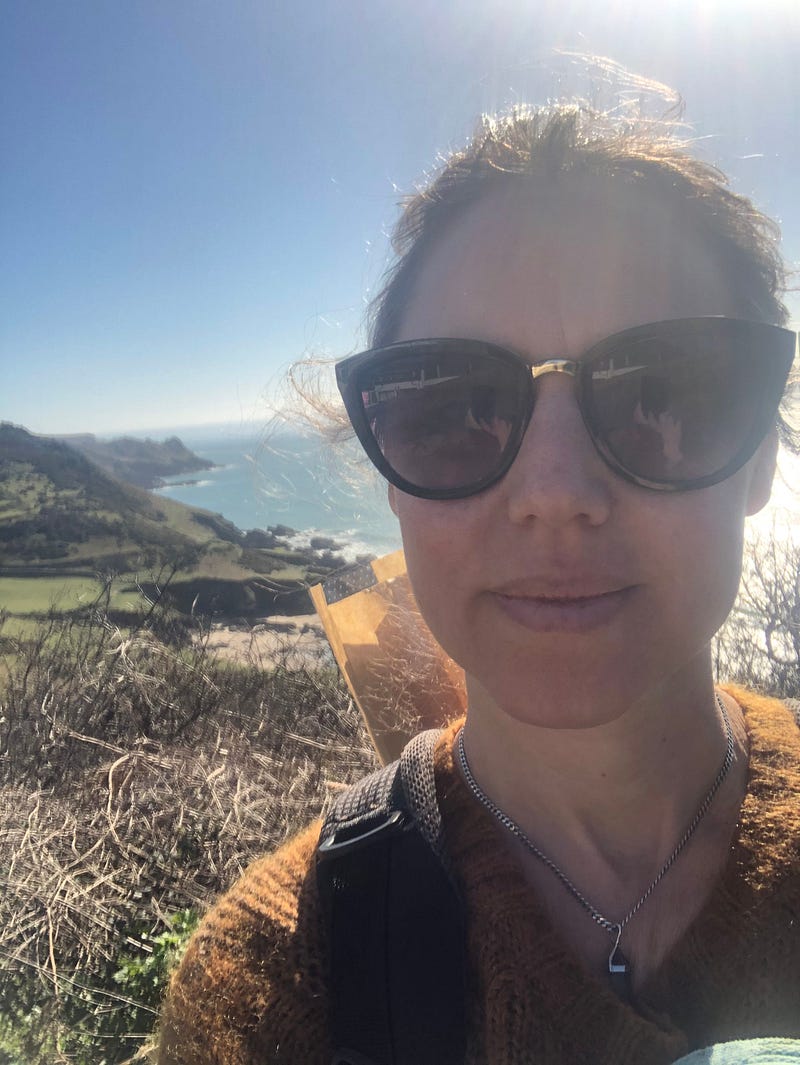
Inner Hope Cove, Devon. © Sally Prag
Me on the South West Coast Path above Gara Rock. © Sally Prag

For too many years, my life has been too busy by far to make a regular habit of walking the coast path. Well, enough of that — I am making the decision now that my dog, Ginger, and I will be out, traipsing the most beautiful parts of the coast every single week, come rain or shine. Y’know, Raynor and Moth hardly had the luxury to be fair weather-only walkers, so who am I to be choosy?

The South West Coast Path website has a wonderful section explaining the best walks with dogs with printable maps. That will be me sorted.

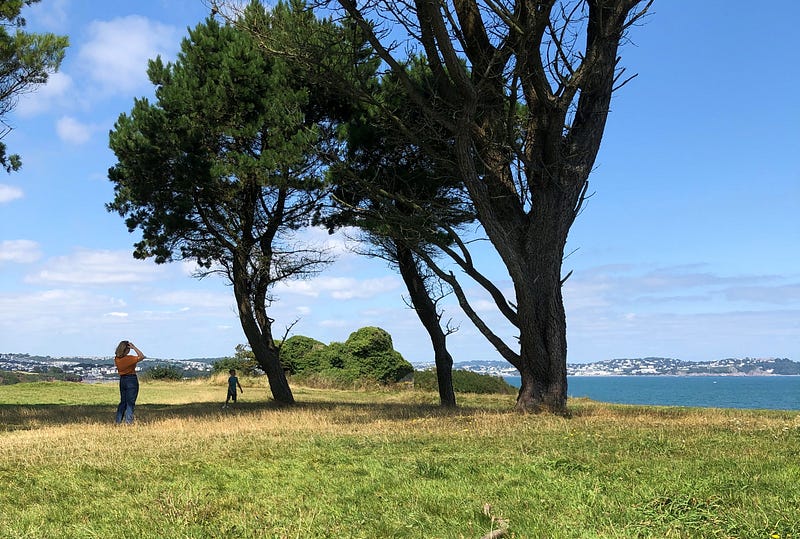
This weekend, we began with the walk from Broadsands Beach, through Elberry Cove, then Churston with its famous haunted Churston Court Inn, to Brixham. I didn’t need a map, since I have already done that part — but only since Ginger came to live with me last year, and that first time I certainly could have done with one.
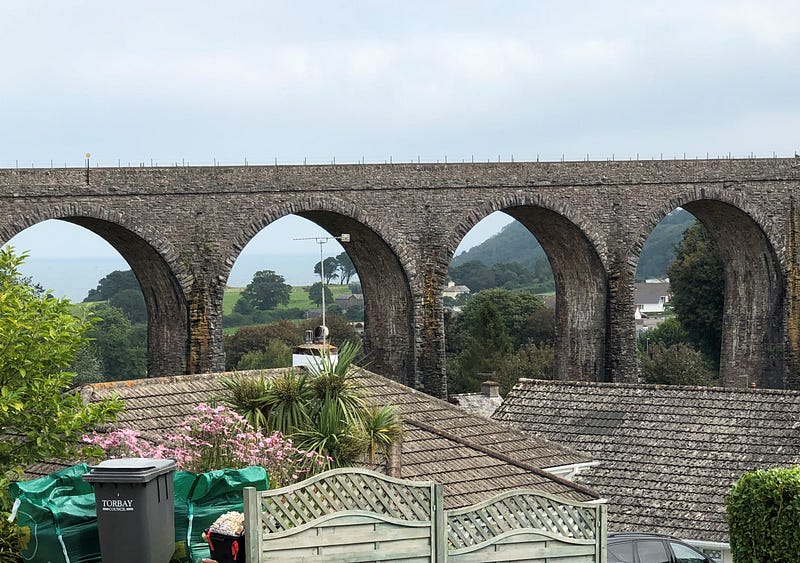
The railway bridge at Broadsands. © Sally Prag
Elberry, Devon. © Sally Prag

Cornwall, Cornwall…I miss you so…sometimes.

Cornwall is unique. The vegetation looks and smells different from the vegetation here in Devon. The wild sea kale and wild onions grow in patches along the coast path at this time of year and, along with the nettles, dandelions and cleavers, you can gather enough wild greens to make a nourishing soup, or just nibble them raw.

I love Devon, my home, and its beaches and coastline. They, too, are dramatic, magical and wild in places. But just crossing the River Tamar, the river that divides Devon and Cornwall, I find myself in a whole other land of mystery and myth — of King Arthur, and of Cornish pixies and faeries.

And so, back along the Cornish coast I am walking this spring.

Destination number one will be Tintagel, the legendary home once of King Arthur…

Coming to this space soon. I hope you’ll join the virtual experience 💜
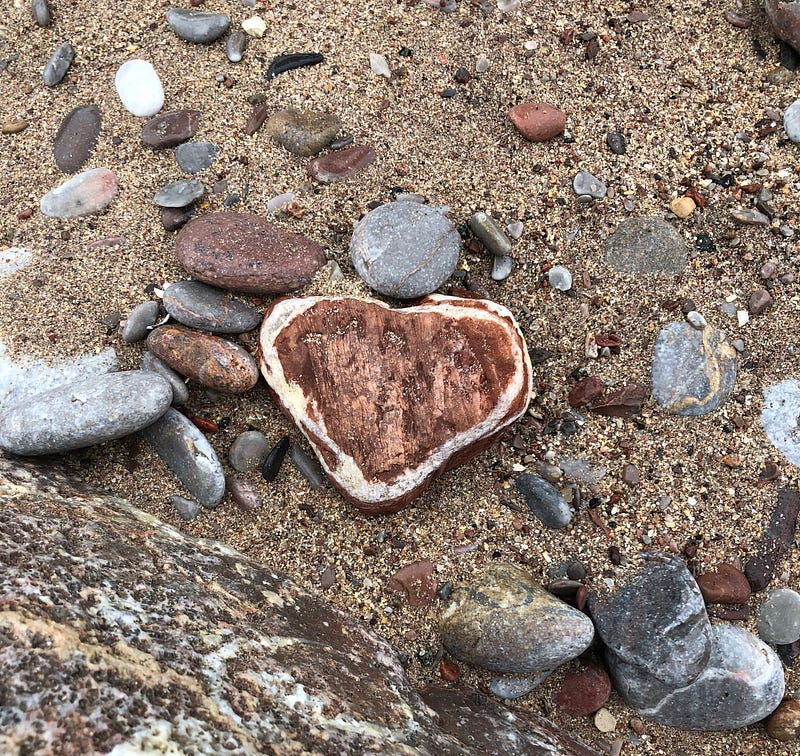
A heart-shaped rock on Brixham Breakwater Beach. © Sally Prag

Check out Linda’s review here:

Thanks for reading! If you aren’t yet a Medium member and would love to have unlimited access to read the work of all your favourite writers, please consider joining through my referral link.

While you’re here, why not check out my story about the city that inspired much of the Harry Potter stories:

Travel
Books
Reading
Ideas
Coffee Times Movement
Recommended from ReadMedium