
Which Meditation Is Right For You?
Meditation is a practice that has many choices.
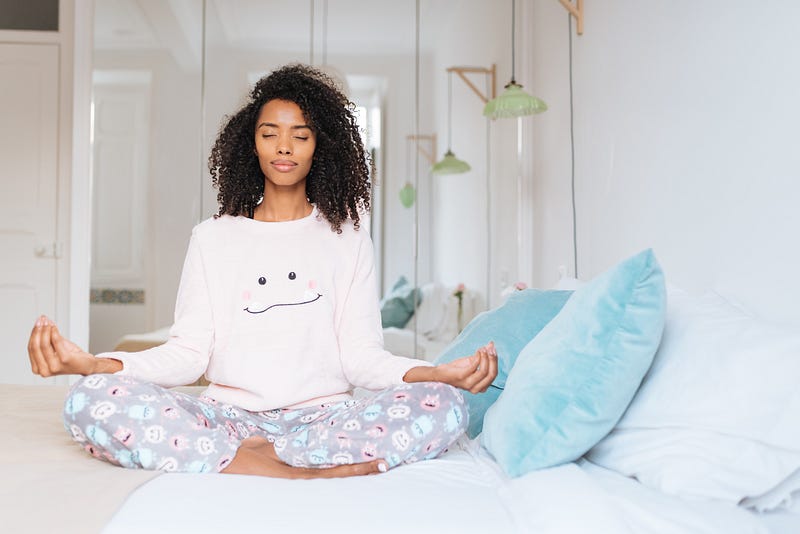
Meditation is a fad, a religious practice, an escape from reality, and many other descriptions. But, is meditation right for you? Many people have wondered if meditation would improve their lives. Getting started can be the biggest challenge. Finding a meditation practice that keeps you in it for life is trial and error.
Meditation Versus Prayer
I grew up in a religious family. On Sunday mornings, my father would summon all seven of us children and to his and my mother’s bedroom. We would kneel around their king-sized bed for prayer that lasted longer than first-period class in high school.
I was taught to pray and how to pray. I always started with giving thanks to the Almighty God for waking me up in my right mind. That was presumptuous, but I followed orders. I prayed a lot, as a child and as an adult. I reaped the benefits that research suggests I would.
As I got further detached from religion for a number of reasons, my prayers began to change. Ultimately, I came to understand God as an extension of me. I wanted to feel that connection, not just honor it. I learned that prayer was an opportunity to talk to God, but meditation was an opportunity for God to talk to me.
I stopped asking for what I knew God had already given me and stopped offering thanks for God taking care of me. I don’t expect my child to walk in my room every morning and thank me for feeding them the day before. My care is a given. The way I live my life is an offer of thanks to God.
I wanted to understand more about God’s expectation of how I should live my life. For that, I needed time to listen to God, to define my personal connection to God. I found that easier to do once I stopped giving that responsibility over to clergy. I began to practice meditation as stillness, a time for me to shut up and listen to God, to myself.
Discovering Your Practice
Over the years, I have run into many obstacles in trying to maintain a regular meditation practice. In fact, I’ve yet to be as consistent as I would like. I find praying much easier than meditating.
I offer you the following considerations if you have any interest in exploring a meditation practice for any reason.
Position
Prayer position is relatively easy once you find your way to your knees. I don’t know anyone who meditates hunched over a bed or chair on their knees. Meditation positions typically signify an open heart. So, the chest is never hidden.
Meditation positions often have some combination of bent knees and straight back. Finding a comfortable meditation position is critical to sustaining a practice. You have to find a position that your body will eventually adjust to. Depending on your body flexibility and wellness, you may have to sit in a chair.
Meditation is not a punishment. You don’t have to punish your body to meditate. Find a position that feels open. You may feel initial discomfort, but you should not feel pain. Walking and laying down are also options, even though they are less traditional.
No matter how still you are supposed to be, moving is better than harming yourself from remain in discomfort for too long. The goal is to find your comfortable position, not to force one that eventually motivates you to quit.
Time
Prayer worship can last for hours. Talking is easier than listening and sitting in silence slows down the perception of time. If you start out with a hefty ambition of meditating for an hour, you may set yourself up to fail.
Meditation practices can be as little as 5 minutes. How long one should meditate depends on the purpose of their practice. If a person is using meditation for something specific, such as a cure for depression, quitting smoking or incentive for creativity, significant time may be required. If meditation is for self-reflection, less time may be invested.
Meditation can be a daily practice or not. More time isn’t always more results depending on the purpose. If meditation becomes such a habit that you engage in it without an appreciation for its value, you compromise its effectiveness. You want to make sure you practice meditation, not practice the practice of meditation.
Focus
Meditation practices can focus on heightening body or mental awareness. Meditations can direct you to pay attention to each body part, including your breathing. They may start by guiding you through a body scan. The goal is to get you to connect to each part of your body to lead you inward.
Some meditations guide your mind to a specific place. The goal is to focus on the experience to let go of all external stimuli. You may be lead step-by-step to a room, or through memory. The goal is to allow yourself to experience everything in your mind without judgment.
Chakras can also be a target of meditation. This group of seven body points makes up an energy system to create physical and psychological wellness. Meditation focuses on removing blockages from the system.
Sound
Sound is an important aspect of meditation. Not everyone responds positively to sound and prefer to meditate on their own in complete silence. Many people need ambient sound to help them go inward. Still, others prefer to have voice-guided meditation.
The ambient sound should obviously be relaxing. However, relaxing is subjective, so trial and error are required. Some people prefer a certain instrument such as piano or saxophone. Other meditation sounds capture nature, such as the ocean, rain, or wind. Certainly, sound can be changed with each meditation, or you may stick with a favorite.
When and where
Meditation in the morning may feel different than at night. Moreover, you are not limited to attaching meditation to waking up and going to bed. Some group meditation sessions occur during the middle of the day. The time that you are willing to meditate is the best time to do it.
Formality in meditation should offer guidance, not demands. Whether you participate in a group practice or sit alone, the point is to engage without judgment. Judgment means your mind is still actively engaged and trying to lead. Meditation gets you out of your mind. So, however you engage, engage with ease.
A Unique Experience
Meditation is a unique experience no matter how many people you share your practice with or how similar your reasons for doing it. That’s why there is no wrong way to meditate.
“Meditation is an individual, personal experience. But one thing is for sure, meditation is so much more than just a method of relaxation. Meditation as I understand it and the meditation I teach is about interacting with yourself. The unclouded contact with your inner being — sinking into yourself.” (Bolls, 2013)
Meditation is a tool. It can help increase creativity and improve cognitive processes as well. It declutters the mind so that you can live more authentically. It doesn’t compete with prayer, it complements it. It doesn’t override logic, it balances it. But, each person must find their unique meditation practice.
References
Annells, S., Kho, K., & Bridge, P. (2015;2016;). Meditate don’t medicate: How medical imaging evidence supports the role of meditation in the treatment of depression. Radiography, 22(1), e54-e58. doi:10.1016/j.radi.2015.08.002
Bolls, U. D. (2013). Meditation for aspies: Everyday techniques to help people with asperger syndrome take control and improve their lives. London; Philadelphia;: Jessica Kingsley.
Chakra basics. https://iarp.org/chakra-basics/


