
Which Is Better, Youth Or Old Age
I know the answer, but you’re asking the wrong question.

A man grew tired of taking care of his old father. He had a farm to run and a family to support. So he decided it was time for the old man to go. He started building a coffin in his shed. The father asked him what he was doing, and the son gave him the news. The father, having been a carpenter in his youth, had taught the son everything he knew.
“Come on, you know better. Miter those corners. Dovetail the joins.”
The son did as he was told, and when he was finished told his father to get in. He loaded the coffin on his cart and headed to the cliff, where he’d throw his father into a steep ravine.
On the way, he heard knocking coming from inside the coffin. He lifted the lid and said, “What is it now?”
The father leaned on one elbow and said, “It’s a shame to waste this fine coffin. Just throw me over the side and save the coffin for your son. One day he’ll need it when he wants to get rid of you.”
Would anybody blame me for casting Ezekial Emanuel in the role of the son in this classic parable? I mean, seriously. Read his piece on why we should all cash it in at age 75.
I have no problem with the good doctor hanging up his shingle and everything else at what he deems the end of the road. But I’ll be damned if I’ll let him take the last five years of my life away from me. Or, the next, for that matter. I plan to celebrate my 85th year in Paris.
Sorry, if I’m making this all about me, but well, it’s my life, too. And I have plans for the next fifteen years or so.
I think he was in his late fifties or early sixties when he declared he would refuse all medical intervention after hit his mid-seventies.
Okay, the clock is ticking.
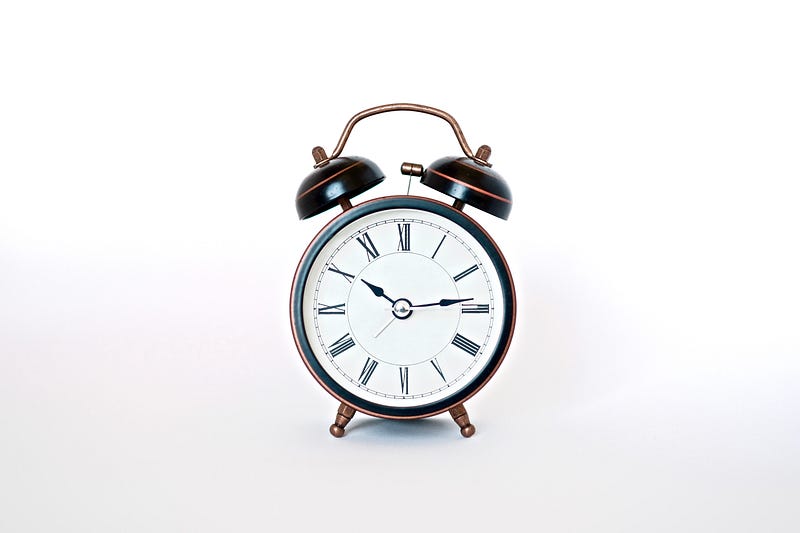
I have my ear to the door. Waiting to hear how loud he’s going to call for the paddles and defibrillator if his ticker goes sideways after his 75th birthday.
He’s got himself all caught up in the meaningless debate about when to call crickets on life, and when life becomes meaningless. He seems to think the good stuff only happens when you’re young. When we’re older, we should make like the Inuit of old, he implies, and park ourselves on an ice floe and feed ourselves to the polar bears.
I can tell you that the good doctor has no idea what he’s talking about. First of all, the ice floes are melting, and there’s life after Medicare.
But I’m not here to give you chapter and verse on the number of seriously old people who have made important contributions to the species long after retirement age. You can do the research while I make another point.
Emanuel assumes that life is best when we’re young and beautiful.

I’ve been young and beautiful, or at least, I didn’t frighten the children and horses when I went about in public several decades ago as I might now. But you’d have to give me a world of perks to convince me to go back to my early days. My aged friends would agree with me.
The whole argument about which decade is the best time of life shows a lack of understanding about age and maturity. Indeed, anyone who would argue for a particular decade doesn’t understand the process of life at all.
The Emanuels of the world don’t want to be remembered when they’re old and grey. They consider youth their most productive time; their most joyful experiences occur when they are young and at their prime.
Can I take a moment and point out a few holes in that theory? Forget the Picassos and Grandma Moses who made names for themselves by producing great work at 80 and 90. It’s true that the body is at its physical peak during youth. But physical prowess, sharp memory recall, and unblemished skin do not equal happiness.
Ask the young, fit, beautiful, geniuses who have suffered soul-crushing personal defeats that pushed them to the point of suicide. Check out the number of essays just on Medium by writers in their prime who speak of horrors that occurred in their childhood. Through no fault of their own, these events haunt them into adulthood.
They write of parents who died young. Physical and sexual abuse. Life in a war-torn country. Temptations from substances and people they couldn’t resist that required years in recovery. These people are all around us, our neighbors, friends, co-workers. Often the homeless. Sometimes they are celebrities with a podium giving comfort to others so afflicted.
Ask them about the wonders of youth. And yet they persevere with their burdens through the transitions of life, the ages that offer their different lessons.
You will find people like a woman I knew who was orphaned at a young age and sent to live with a cruel aunt. She eventually married a man who did not offer her the happiness she expected. They lost a child and lived most of their lives in bitterness and silence. When he reached his seventies, they had a reconciliation. Their love bloomed anew, and she was filled with joy.
If you think this is the end of a happy ever after story, life is never that kind. Before they could take the second honeymoon they planned, he died suddenly. She was left with the shock of living ten more years without the love that could have been. And then at age 85, a sweet, kind man came into her life. For her final three years, they laughed and talked and made one another happy.
Did she not deserve those years? Had she not earned them? Our good doctor would have stripped them from her in the name of socio-economic efficiency.
From his academic remove, he would have played god, deciding that because he enjoyed his early years, everyone else must. And if you did not, then, well, you’ve lost your shot.

He takes issue with folks who look for pills and potions and diet and exercise regimes that offer better health and an extension of life. He considers the search for added years an American folly, focusing on a fringe that wants to live hundreds of years longer.
I don’t know those people. I know my friend took very good care of herself. She ate well and walked several miles daily. I think she’d say it paid off. She had to wait a long time to find happiness with her male friend. But from the sound of her voice the last time we spoke, it seemed worth it to her.
And another thing, she wasn’t sitting around idly waiting for her Prince Charming. Though she never had a career, she was an avid volunteer. Which brings me to another point about considering when life is worth living.
Dr. Emanuel isn’t the only researcher looking after our aging population.
Here’s one who has a suggestion for the old folks. How about giving them a job?
He’s of the conviction that we’re only old if we choose to be because the notion didn’t even exist decades ago.
He astutely notes that we’re wasting our aging population by figuratively tossing them on the scrap heap. I can tell you from my experience, that my aging friends and I are as busy with productive work as ever.
I earn my keep writing and editing. Tomorrow I have a lunch date with a 70, 80, and 90-year-old friend respectively. Each woman is smart, funny, vibrant, and a terrific writer to boot. I can’t tell you how hard it was to find a date to meet. Each of them has a social calendar that would rival Scarlet O’Hara in her heyday.
While our combined ages could put a dent in the national debt were we to convert birthdays into dollars, we’ve known one another long enough to know the trials and tribulations that have bonded us over the years. We know the peaks and valleys, the brick walls we’ve walked into. The decades we thought would never end, yet we had to face and walk through to learn the lessons that brought us to the relative peace we enjoy now.
Do we have magical good health? Don’t be silly. But young people get sick too. As I wrote recently, don’t confuse sickness with age. We weathered heartache and loss of every stripe. All when we were young and fit. Those lessons taught us how to deal with our growing frailty. You don’t skip over hard years. Have you ever heard of live and learn?
But we’re laughing just as hard as ever, writing just as well, and casting shade on wise guys who think they can take our golden years away from us. You should hear us tomorrow.
Before you go, look at my other stories:
I’m an editor and writer on Medium with Top Writer status. I’m also an editor for the publication, Rogues Gallery. I’ve published 55 titles on Amazon and edit for private clients. If you’d like to hire me as your editor for fiction, non-fiction, or business writing, please contact me here. If you’d like to read more of my work on Medium, click here to sign up for my newsletter. I’ll make sure you don’t miss a word. Thank you for reading.