
Whether It’s At The Bottom Of The Atlantic Ocean Or In Sudan, A Life Is Still A Life Isn’t It?
And it is always precious
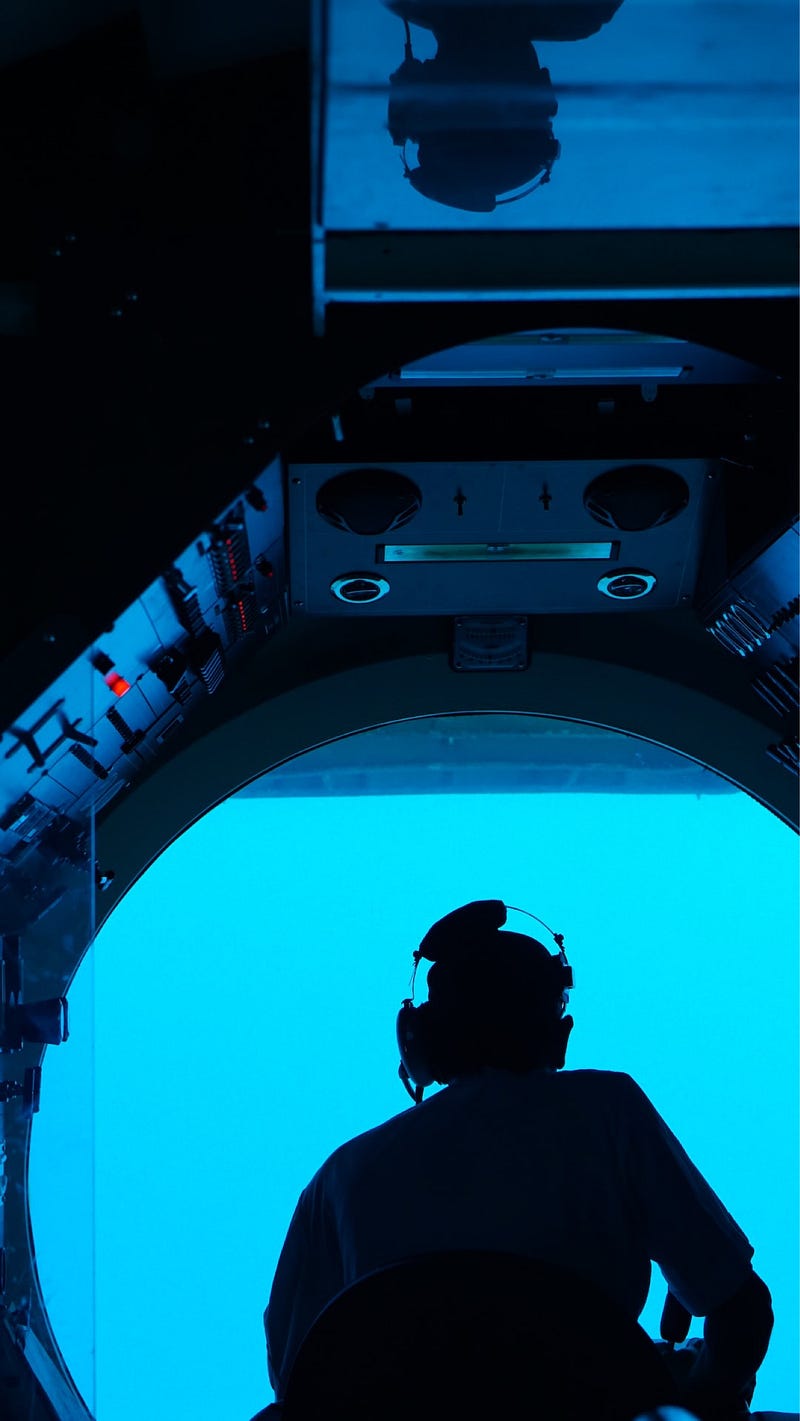
At the time of writing this article, there are 5 souls lost in the Atlantic Ocean in a submersible. They have about 25 hours of oxygen left. When that runs out, they will most likely fall unconscious and perish. For me, the simple thought of that is unbearable. Why? Because all loss of human life is sad and devastating.
The submersible lost contact with its mother ship just a little under two hours after it was launched last Sunday off the coast of St. John’s, Newfoundland in Canada.
The five explorers onboard were en route to visit the wreck of the famous Titanic, the renowned ship that sunk in the North Atlantic on April 15, 1912.
The price of the ticket to join Sunday’s expedition was about USD 250 000, and three of the five guests onboard — British billionaire Hamish Harding and the vice-chairman of Engro Corporation, Shahzada Dawood, and his son Suleman paid that price.
The two other members are a reputable Titanic wreck expert, Paul-Henri Nargeolet, and Stockton Rush, the CEO of Oceangate, the submersible company itself.
Since the submersible got lost, I’ve heard and read all types of perspectives ranging from, “It serves them right”, to “Why would anyone pay so much money to go on a trip like that”, to “It’s unethical”, to “Can you imagine how many lives in Sudan could be saved with the money they wasted on the trip?”.
And honestly, everyone is entitled to their opinion on this, but the one thing I’m thinking about is the families of the five people onboard. These last few days have probably been the most harrowing, the most challenging of their lives.
Not knowing where your loved ones are or not even knowing if they are dead or alive must be hard. I wouldn’t wish this on my worse enemy.
So while everyone and their grandmother comments, and sometimes in the cynical and meanest of ways, I think it is important to remember our common humanity at this moment. What if you were in the families’ shoes? How would you feel?
We live in a world where people care less and less. Where individuals hide behind their screens to share the vilest of comments, the most inhumane thoughts, and actions.
Whether it’s about these folks erring in the Atlantic Ocean, or babies dying in the Sudan and Afghanistan for lack of oxygen some people will tell you that they don’t care, that these people deserve to die.
Whether it’s immigrants on a ship heading to Greece left to drown in total impunity, or a young teenager stabbed to death here in Geneva for no apparent reason, the world is becoming an increasingly cruel and heartless place.
It is concerning because human beings now seem capable of dehumanizing each other at a rapid and exponential pace. A lot quicker than before. We don’t see the babies in Sudan or the people on this submersible as humans. We don’t care.
And this bodes badly for the work that I and many others are doing in antiracism. Because, as human beings adopt the ease of dehumanizing others rapidly and systematically, it makes it much easier for them to not care about Black lives either.
Overcoming racism requires human beings to see other human beings as human, not dehumanizing them. In doing this work on antiracism, I get regularly attacked by trolls who send me vile messages. These people don’t see me as a human being with feelings and emotions.
To them, I don’t matter.
As human beings, we need to do better. If we continue down this path, we won’t be able to resolve the global challenges that our world faces or will soon face.
How do we resolve global warming if we don’t see our lives as all having equal value?
The men in that submersible may be rich and entitled, but their lives still matter.
We should be expressing sympathy and encouraging efforts to ensure that they are found and can come back home to their families.
That’s the proper way to react, that is the “humane” way to behave, and that is the only way we can still call ourselves human.
Thank you for reading my perspective.