Summary
The poem "Whether" describes a person's encounter with a storm that humorously disrupts their attempt to share a written message, reflecting on the power of nature and the futility of human endeavors against it.
Abstract
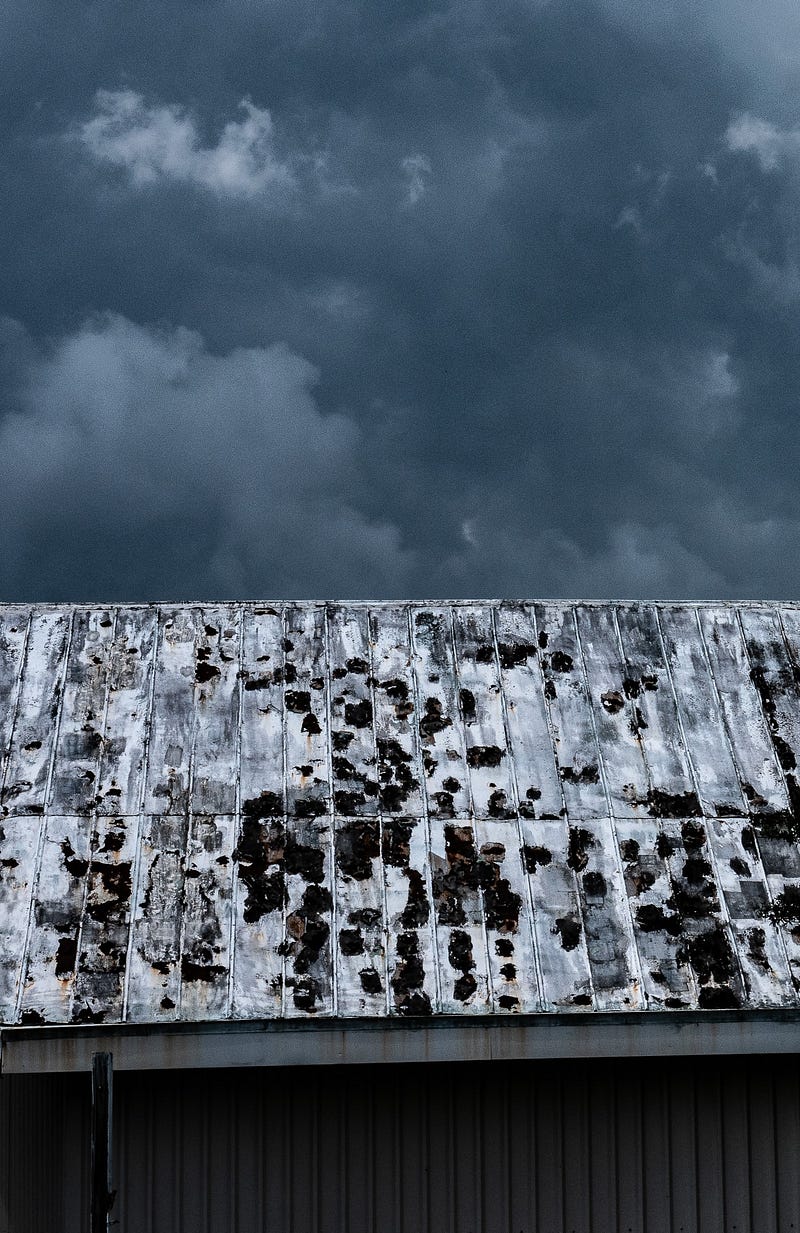
In the poem "Whether," the speaker ventures into a storm with a prepared paper, symbolizing their intent to communicate. The storm personified as a woman seizes the paper, scattering its contents like a "bird dying backwards." The storm's laughter and the imagery of wildflowers underfoot, weeping and sodden, underscore nature's indifference to human efforts. The poem suggests that despite our preparations and emotions, represented by a "pocketful of tears" and "flowers," nature's forces, like the storm, are overwhelming and unyielding. The storm, embodying the power of the natural world, enjoys challenging human inquiry with its own chaotic answers.
Opinions
- The poem conveys a sense of humor about the struggle between human intention and the capriciousness of nature.
- There is a theme of futility in trying to impose order or convey a message in the face of overwhelming natural forces.
- The storm is personified with a mocking and destructive personality, highlighting the speaker's frustration.
- The wildflowers symbolize the beauty and fragility of life, easily trampled and overwhelmed by the storm's power.
- The poem suggests that nature operates on its own terms and timeline, indifferent to human schedules and preparations ("5 minutes past the hour").
- The speaker seems to acknowledge the storm's dominance and the insignificance of their paper in the grand scheme of the natural world.