
Where There Is Pain and Despair, There Is Also Hope
Weeds & Wildflowers January Writing Prompt
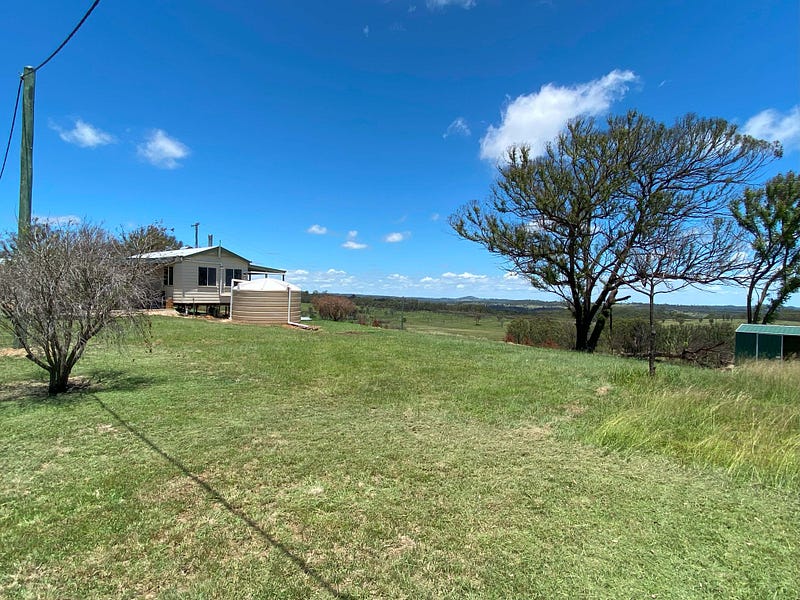
If I should answer the question of the prompt “What gives you hope?” with just one sentence, I would say, “Patiently observing the circles of nature and life, as well as looking back at my own experiences”. After the coldest winter, the spring will come; after the storm, the sun will shine again, not to mention that there is no rainbow without rain; after the drought, the rain will come. Nature is full of hope, and this article has been inspired by nature.
It’s difficult for me to write it because to talk about hope in difficult situations, I need to talk about the pain I have experienced recently, and some of the wounds are still fresh.
For those who don’t know, on Halloween 2023, my farm was destroyed by wild bushfires caused by the negligence of someone doing welding on a fence 10km away from my home. This person not only ignored the total fire ban on that day, but when the fire started, they drove away without informing anyone about the disaster. The fire got out of control very quickly…
I was lucky that my cattle and home were saved, but the fires caused a lot of devastation, which would cost a fortune to repair. Only the residential part of my property was insured, but my insurance refuses to pay even for this damage. My gardens were destroyed, and plenty of wildlife lost their lives.
Therefore, when I look at my introduction photo, it looks pretty bare, and it causes heartache. The bushes that once used to shield and hide the water tank are gone. And again, the water tank stabs my eyes when I look around and reminds me of the loss. A few years ago, my wonderful green wall of large native grevillea got destroyed by winds, and now fires have taken my other bushes away.
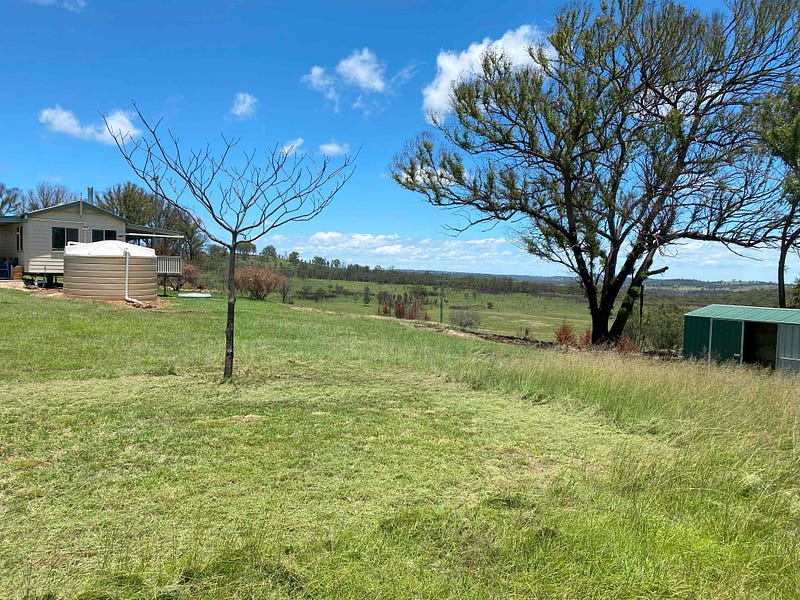
The 14-year-old white cedar is dead, and the bottle brush and all the other trees and bushes I had near my garden shed are gone, too. But the lush green growing grass, which is getting nutrients from all this destroyed by fires, gives me hope. Some things need to get shattered to provide a place for new growth.
This is also a reminder that life isn’t only about us. We are part of a larger community and need to live in harmony and hope for everyone. Most probably, I won’t sit in the shade of the tree I will plant now, but it doesn’t mean I shouldn’t plant the tree. No, I should plant it in the hope that one day, someone else will look after the tree and enjoy its shade.
Only when we look at the good for the community and the hope for us as the larger group, as humanity, can we have hope that one day, the greed and wars will stop and the human race will live in peace. We must look at those around us and start changing the world by bringing hope to those next to us.
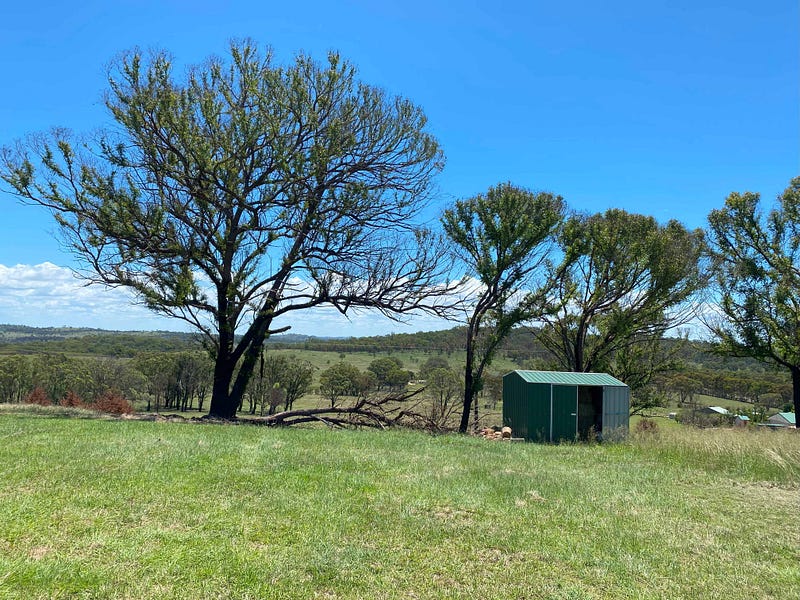
Sometimes, things happen in our lives that break our hearts, and we can’t do anything about them. We need to accept that life won’t be as we have wished. My wonderful ages-old tree lost one of its three main boughs, and there is no point in hoping the bough will get attached back to the tree. This will never happen. I have to accept the tree has changed, and I need to find its new beauty.
Maybe I wished to have my own family, but life took a different turn and didn’t bless me with children. But this doesn’t mean that my life was ruined. It only means it has been different than I hoped for.
Acceptance is part of hope, hope for a better future, even if it is different from what we have wished for.
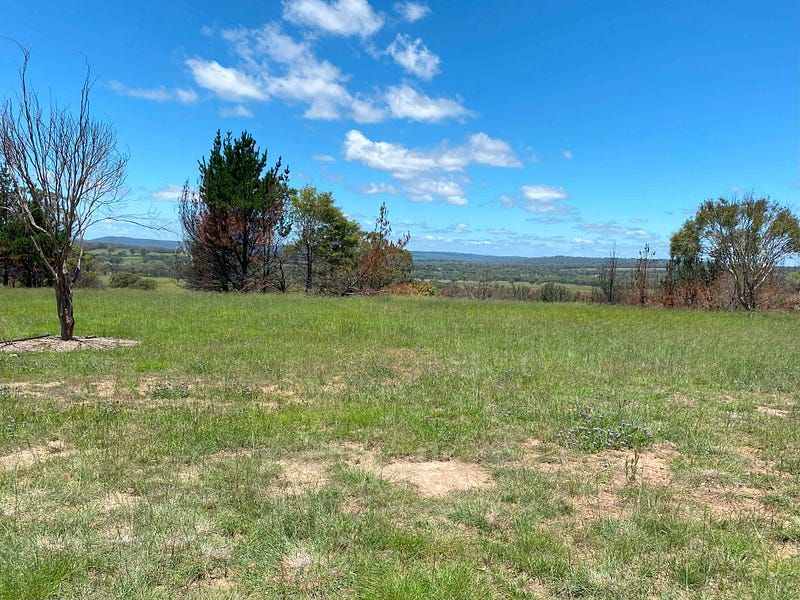
I have tears in my eyes when I think about all these that got destroyed through the fires, all the wild animals that were at home on my farm and lost their lives, and all the gardens I lost. Yes, I’m grieving the loss, and sometimes grief is necessary to pave the path for hope. In all that pain, there is also gratitude and hope.
I’m thankful that I didn’t lose my home, and I hope to rebuild my farm better by creating a habitat for the local wildlife based on native plants and using better techniques. I hope to create a place where children can come and enjoy nature’s beauty.
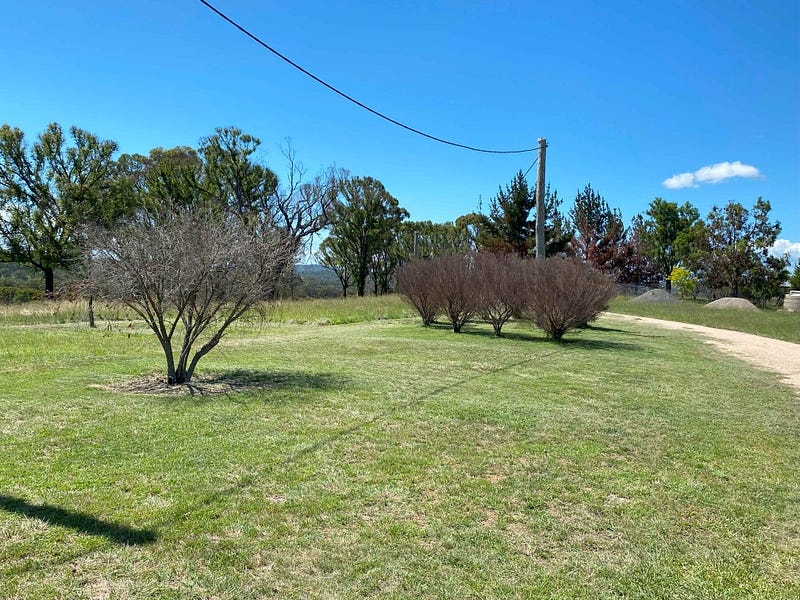
There will be times in our lives so despairing, painful and hopeless that it will be difficult to see any light anywhere near us. It will feel like we are doomed without hope for a better future. In such times, we will need to concentrate on just one little aspect of our lives as if nothing else existed. The big picture will be too overwhelming, and therefore, we will need to concentrate on finding beauty in the little things and rejoice in our little successes to help us get through the pain.
Years ago, when suddenly, I found myself homeless in a foreign country without money, family or friends, and with a broken heart, all I could do was… be grateful for all the strangers who stretched their hands to help me. I concentrated on surviving day by day. On the worst days, the best I could do was to go for a run and greet strangers with a smile. People always responded, also smiling, and this gave me hope. And today, just a thought about those days gives me hope. No matter how bad life gets, I will get through with a smile.
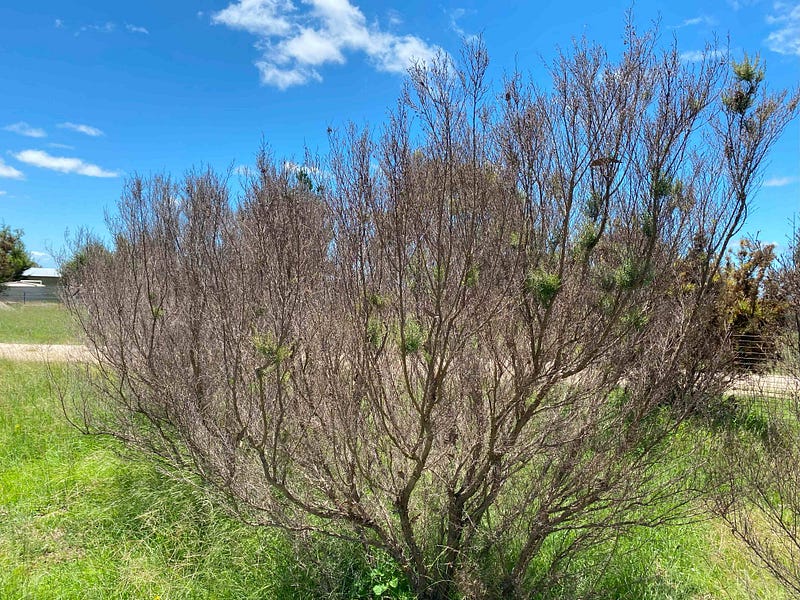
I cry when I write about all the pain the fires caused me, all the losses and costs it added to my life on the farm, and it is why I usually don’t think about what I lost, but I’m grateful for what I kept and what I gained.
Most of the bush got turned into ashes, but through this, I get more grazing land (even if most of the clearing work I’ll need to do by hand because I can’t afford to get machinery here to do it for me). And even just witnessing life, returning to my farm gives me hope. After all the pain, gloom and doom, life is returning, and this keeps me smiling!
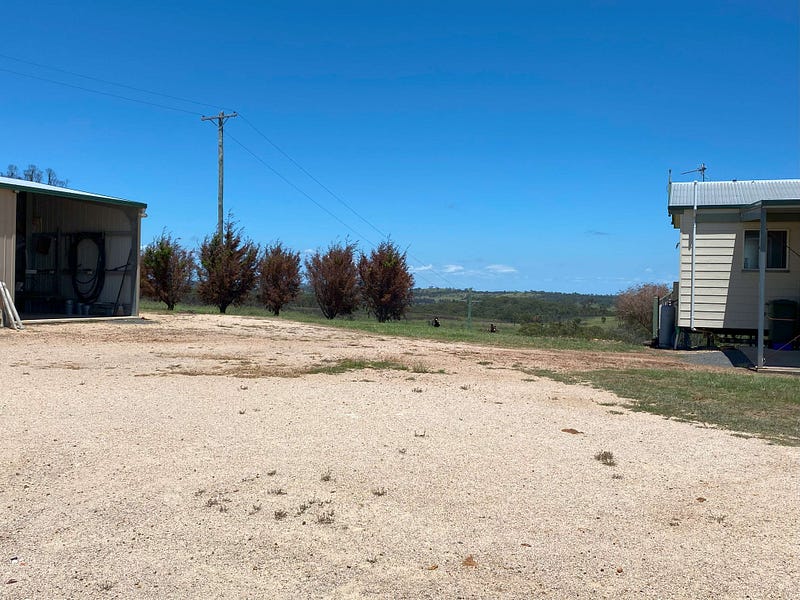
There is hope that George’s mental health will improve. Maybe he needed to see the distractions to change his perception of life. I was surprised when George, after removing a couple of burned conifers, said in an enthusiastic voice, “Actually, it looks better without the trees.” He got so inspired by the new view that he removed three or four more of them that day.
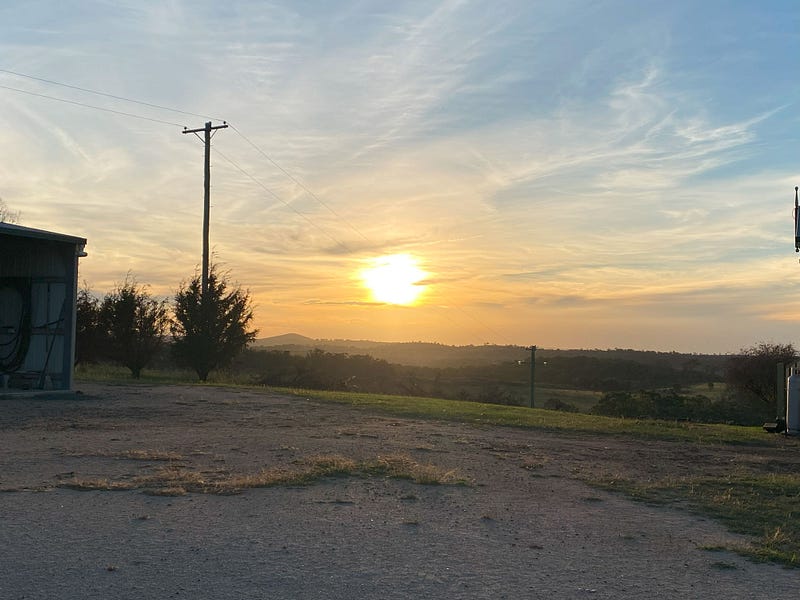
Phases of Hope
Hope is like the landscape after the fires. Some plants, especially the older, well-established and stronger native trees, came back to life very soon after the disaster.
Some of the younger trees looked dead for some time, but now they also have new shoots coming from the ground. Watching every shoot come up is a new ray of hope for me.
And some plants didn’t make it. They were the reminder that acceptance is part of hope — accepting what we can’t change and moving on with the hope for a better future is the best we can do in such situations.
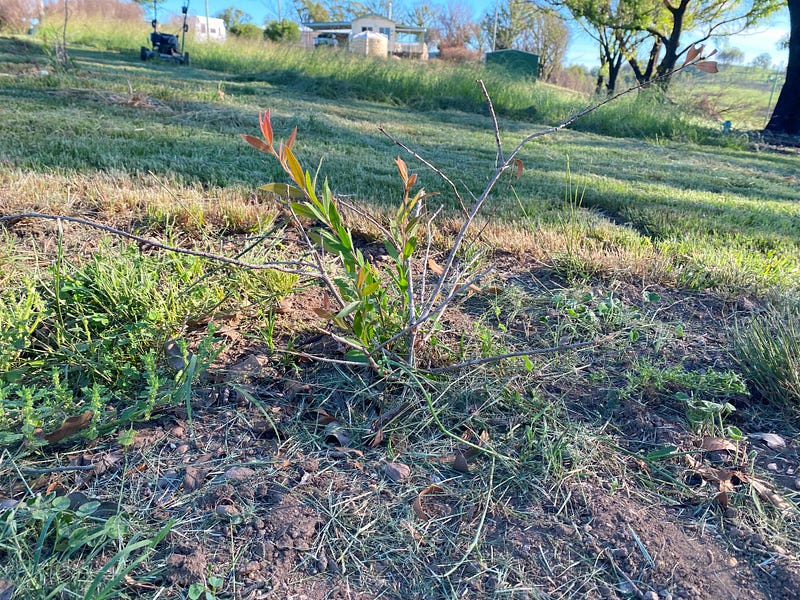
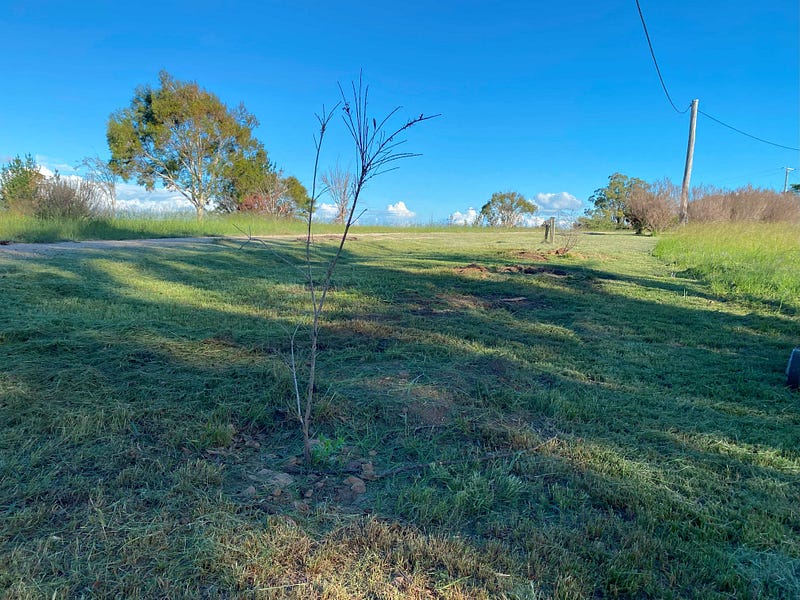
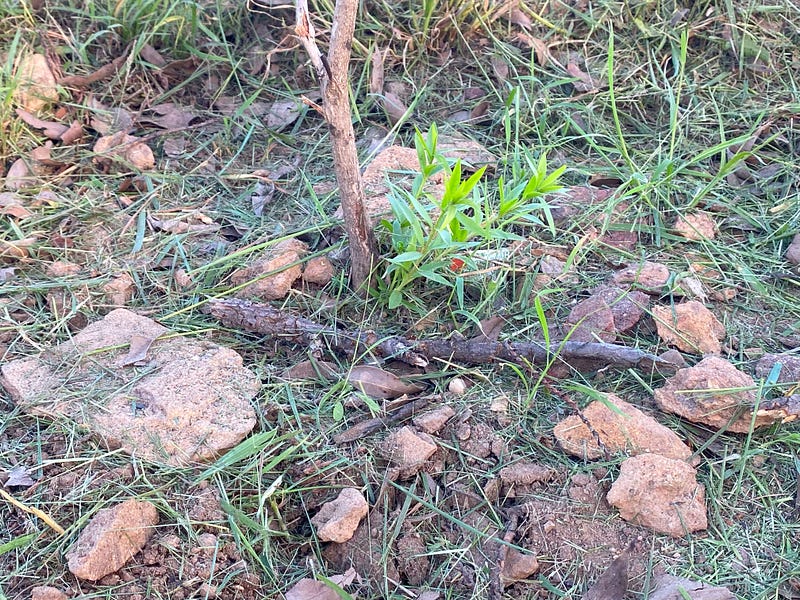
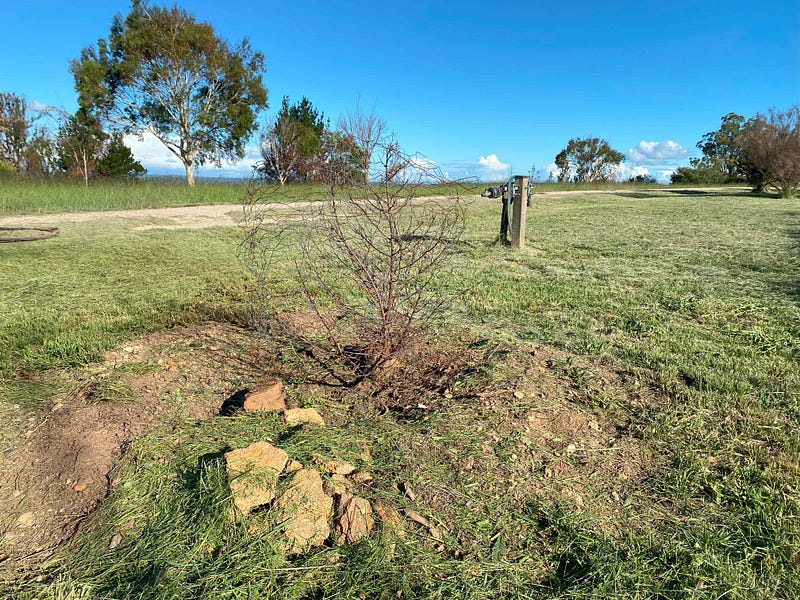
We need to remember, regardless of how horrible, stressful and painful a situation is, as long as we are alive, there is always hope for a better tomorrow. We need to remember that after even the heaviest storm, the sun will shine again; after the worst fires, life will return to the area. We need to be patient and continue with our work as if everything is all right, and the fruit of our efforts today will be a brighter tomorrow, which will give us even more hope for the month, the year ahead of us and even our lifetime.
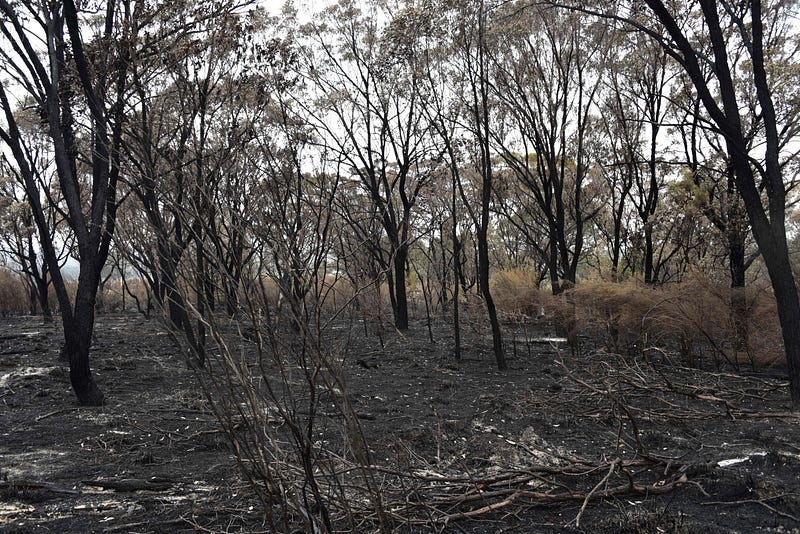
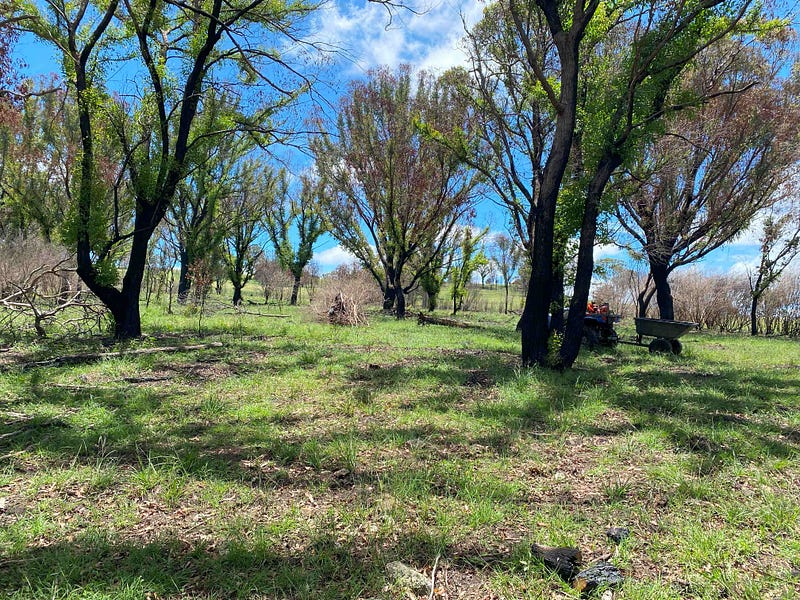
I have a question for you. What do you see when you look at all the photos I shared in this post without reading the story or my descriptions? What do you feel? Do you see destruction, feel sadness and despair? Or do you see photos of rolling hills, fields covered with lush green carpets of fresh grass, blue skies, beautiful weather and peaceful surroundings, which fill your heart with warmth and blissfulness? Is it an area you would like to avoid, or would you happily visit this place?
Do you see my point? Life is never as bad as our mind tries to portray it. There is always some beauty, and above all, there is always hope. It’s never as bad that it couldn’t be worse, so there is always plenty we should be grateful for, and remember there is always hope, though sometimes acceptance is the first step of a new hope.
Also, remember never to judge others and their situation based on what you see, as the image you create will usually be far away from reality; exactly like my photos in this article don’t tell the whole story. Without reading my words, you would not know about the pain they describe.
Thank you to Dennett for the wonderful prompt,
and Anne Bonfert for informing me about that prompt, and the wonderful publication that I just joined : )