avatarAnne Bonfert

Free AI web copilot to create summaries, insights and extended knowledge, download it at here

6833

Abstract

swamps.</b> | Photo credit: <a href="undefined">Anne Bonfert</a></figcaption></figure><p id="f29f">And back into the deep forest for a moment or two. Nothing revealed there was the endless sea behind this wall of ancient trees.</p><figure id="3c7c"><img src="https://cdn-images-1.readmedium.com/v2/resize:fit:800/1*v-h6nwPMJGp9PjEE3TTpmg.jpeg"><figcaption><b>Raw and wild.</b> | Photo credit: <a href="undefined">Anne Bonfert</a></figcaption></figure><p id="11b8">Climbing up a few steps we were rewarded with a spectacular view of the coastline from a wooden deck as viewpoint.</p><figure id="57cb"><img src="https://cdn-images-1.readmedium.com/v2/resize:fit:800/1*BxRM2MRq5P9XqQk7ChPZRg.jpeg"><figcaption><b>The West Coast and the Tasman Sea.</b> | Photo credit: <a href="undefined">Anne Bonfert</a></figcaption></figure><p id="f0e7">We both marveled at the thick and lush forest stretching for miles ahead of us. And the diversity of the woodland. From palm trees, beech trees, white pine and all kinds of other, to me unknown, trees, the forest had it all.</p><figure id="9cdf"><img src="https://cdn-images-1.readmedium.com/v2/resize:fit:800/1*AHTr7MBMfDkg2m7CEG-W7w.jpeg"><figcaption></figcaption></figure><figure id="ff0c"><img src="https://cdn-images-1.readmedium.com/v2/resize:fit:800/1*IakcH4rTcxwGGOoFQWalWw.jpeg"><figcaption></figcaption></figure><figure id="e845"><img src="https://cdn-images-1.readmedium.com/v2/resize:fit:800/1*wT_USA6_m2LR20hgyErUpQ.jpeg"><figcaption><b>A vast range of diversity in the coastal forest.</b> | Photo credit: <a href="undefined">Anne Bonfert</a></figcaption></figure><p id="9465">Stepping down from the platform, we reached the beach. Some funky fungi were growing on a fallen log in the sand. Shining bright orange, it stood out quite a bit from its surroundings.</p><figure id="6f81"><img src="https://cdn-images-1.readmedium.com/v2/resize:fit:800/1*F33APi32OzfxXm-Y_Z20xA.jpeg"><figcaption><b>Funky Fungi.</b> | Photo credit: <a href="undefined">Anne Bonfert</a></figcaption></figure><p id="0ce9">This was it.</p><p id="ca75">The West Coast of New Zealand with the Tasman Sea ahead.</p><figure id="9c99"><img src="https://cdn-images-1.readmedium.com/v2/resize:fit:800/1*3E7l0Y41n1pK0PhR8P0VAQ.jpeg"><figcaption><b>Looking out at sea.</b> | Photo credit: <a href="undefined">Anne Bonfert</a></figcaption></figure><p id="244a">We both wondered at the origin of the incredibly flat and round pebbles lining the beach but after reading up on the Haast floodplain and the glacier that once stretched here, I understood these rocks had been formed by ice.</p><figure id="0494"><img src="https://cdn-images-1.readmedium.com/v2/resize:fit:800/1*qJzklsB54qJjCAGCd5eYSg.jpeg"><figcaption><b>The two of us walking down the beach.</b> | Photo credit: <a href="undefined">Anne Bonfert</a></figcaption></figure><p id="427d">We headed to the cliffs where the river meets the ocean. David played skipping rocks on the flat but still moving river water. These from the weight of the ice-pressed pebbles were perfect for rock skipping. We both cheered happily as we watched them fly across the water's surface.</p><figure id="0a91"><img src="https://cdn-images-1.readmedium.com/v2/resize:fit:800/1*L1SHDm3n7824NVAvT6BTDA.jpeg"><figcaption><b>A stream flowing into the sea.</b> | Photo credit: <a href="undefined">Anne Bonfert</a></figcaption></figure><p id="84a8">While there had been a few cars in the parking lot and even a tour bus had arrived, most people rushed through the boardwalk and were back in their vehicles before we had taken even one deep breath of the salty air.</p><figure id="9e09"><img src="https://cdn-images-1.readmedium.com/v2/resize:fit:800/1*VPUdTMgS_gYeNdExXrnmuw.jpeg"><figcaption></figcaption></figure><figure id="afdd"><img src="https://cdn-images-1.readmedium.com/v2/resize:fit:800/1*sHCcYo7xkFzbtCiKURRLJw.jpeg"><figcaption></figcaption></figure><figure id="be1a"><img src="https://cdn-images-1.readmedium.com/v2/resize:fit:800/1*S_8IVt80Vsrq28Fvu5s33A.jpeg"><figcaption><b>Natural landscapes of the coastline.</b> | Photo credit: <a href="undefined">Anne Bonfert</a></figcaption></figure><p id="5f5b">After getting back to the start of the path, we turned inland for the swampy forest trail. Walking on a wooden boardwalk, partly covered in pebbles, we went deeper into the swamps and the old, native forest.</p><figure id="bf64"><img src="https://cdn-images-1.readmedium.com/v2/resize:fit:800/1*wFQrwaPuOdFrq97V6KmcHA.jpeg"><figcaption><b>The wooden walkway into the swamps.</b> | Photo credit: <a href="undefined">Anne Bonfert</a></figcaption></figure><p id="c32f">I stopped to marvel at the vegetation. Vines and creepers were covering every inch of the forest. Every fallen and standing tree had no longer a visible bark but layers of green leaves atop.</p><figure id="1496"><img src="https://cdn-images-1.readmedium.com/v2/resize:fit:800/1*sYTSVAoXPEI8H-b3lpeG2A.jpeg"><figcaption><b>So many vines were growing on this tree, its own trunk disappeared.</b> | Photo credit: <a href="undefined">Anne Bonfert</a></figcaption></figure><p id="e43b">When I took notice of the overgrown trunks of the forest giants, David's attention was taken by those logs decaying in the water. He even stopped to take a picture of the reflections of the forest in the wetland.</p><p id="a52c">David doesn't just stop to take a picture of anything. After all, he's married to a woman who takes pictures of any- and everything. He mostly just walks and enjoys which I often admire but here, <i>he </i>stopped and <i>he </i>took the picture leaving me standing behind wondering about the situation.</p><figure id="6362"><img src="https://cdn-images-1.readmedium.com/v2/resize:fit:800/1*Uj1uti9IeKsZ7Ts8mVMuzA.jpeg"><figcaption><b>David’s photo of logs in the water and the reflecting forest. | </b>Used with permission.</figcaption></figure><p id="e5d4">There is one species of trees in this forest that towers majestically above all other vegetation.</p><p id="784e" type="7">The Kahikatea.</p><p id="7996">With a straight gray trunk and distinctive lofty branches reaching far into the sky, the tree canopy hangs 65 meters above its shallow roots. New Zealand’s tallest tree loves the swampy ground and finds strength by interlocking its roots around its neighbors'.</p><blockquote id="baf8"><p>“Kahikatea is New Zealands tallest indigenous tree. The white odourless timber was used extensively to make butter boxes, for much of the late 1800s and early 1900s. It was this practice which all but eliminated kahikatea-dominated swamp forest from the North Island and northern South Island.” — <a href="https://www.nzpcn.org.nz/flora/species/dacrycarpus-dacrydioides/">New Zealand Plant Conservation Network</a></p></blockquote><p id="b7d8">This coniferous tree is also known under the nam

Options

e of <i>white pine</i>. The local Māori tribes used the timber to make tools and cut the trees more sustainable than the European settlers who came later and not only chopped down entire forests but drained the swamps as well to create dairy farms.</p><p id="8f51">Happy to be standing where one of the last swamps in the country survived and are now protected, I got a stiff neck staring up at these giants.</p><figure id="4252"><img src="https://cdn-images-1.readmedium.com/v2/resize:fit:800/1*5ve5dexqKg58upfH3OnM1Q.jpeg"><figcaption><b>The road to Jackson Bay.</b> | Photo credit: <a href="undefined">Anne Bonfert</a></figcaption></figure><p id="6943">We hit the road South again. Jackson Bay I announced as our new destination. The road was leading just meters next to the ocean with tall trees lining most of the journey.</p><p id="b095">Since I read on some hiking platform about a small but recommended seafood stall in this remote bay on the West Coast, we didn't stop for lunch in Haast. David was saying he just hoped the place would be open.</p><p id="8f40">But the luck was on our side and the container-sized restaurant was open and a lovely lady welcomed us inside where a group of people was just finishing off their meal.</p><p id="2577">The menu wasn't big and you shouldn't enter if you don't like seafood but since none of that bothered us, we both ordered a plate of food. I enjoyed mine with a local white wine that paired perfectly with the seafood basket.</p><figure id="4c54"><img src="https://cdn-images-1.readmedium.com/v2/resize:fit:800/1*OkCSvLwlujh6p6xvykEJ8A.jpeg"><figcaption></figcaption></figure><figure id="cdb6"><img src="https://cdn-images-1.readmedium.com/v2/resize:fit:800/1*fPi0lHNmiQpEvVRrmC_u1g.jpeg"><figcaption><b>The Craypot.</b> | Photo credit: <a href="undefined">Anne Bonfert</a></figcaption></figure><p id="c08f">After having eaten too many chips (there is no such thing as too much seafood), we needed to walk off the calories and chose to take the well-maintained trail leading to the other side of the peninsula.</p><p id="f4dc">It's not like one could just hike off into the woods here. Where there is no trail, there is no way through the bush. These paths might be easy to walk on but offer the only option to enter the thickness of the lush coastal forests.</p><figure id="00d1"><img src="https://cdn-images-1.readmedium.com/v2/resize:fit:800/1*7D4iZx_s6Vvyaj9VvmLxxQ.jpeg"><figcaption></figcaption></figure><figure id="884e"><img src="https://cdn-images-1.readmedium.com/v2/resize:fit:800/1*yvfPi-c3EKCamkhC3pjD2A.jpeg"><figcaption><b>The trail leading through the forest.</b> | Photo credit: <a href="undefined">Anne Bonfert</a></figcaption></figure><p id="9515">Arriving in the bay on the other side, we sat down on a fallen log and stared out onto the ocean. David said how he wished to just put on fins and explore the marine life underneath. With a wetsuit on of course. You can't survive in these waters otherwise.</p><figure id="9fcf"><img src="https://cdn-images-1.readmedium.com/v2/resize:fit:800/1*f1rLNWkx59aYUoMPCImN0w.jpeg"><figcaption><b>Overlooking the Tasman Sea.</b> | Photo credit: <a href="undefined">Anne Bonfert</a></figcaption></figure><p id="5a9f">Since the always-present sandflies soon began to swarm us, we got up and headed back into the forest. As long as you keep moving, they leave you alone. You won't even know they are there until you stand still.</p><p id="dc69">“What next” was the question and while we were debating between sleeping another night in the mountains and heading home, the overcast skies, low temperatures and relatively short distance to our warm bed on the other side of the Southern Alps made the decision fairly easy.</p><figure id="7ae9"><img src="https://cdn-images-1.readmedium.com/v2/resize:fit:800/1*Anj12Dwjqs8rvhDfwsYnTQ.jpeg"><figcaption><b>Driving back up along the Haast River.</b> | Photo credit: <a href="undefined">Anne Bonfert</a></figcaption></figure><p id="a392">Following the turquoise-blue Haast River upward from the delta into the mountains, we stopped at Thunder Creek Falls to marvel at just another magnificent waterfall in the mountains.</p><figure id="7fe1"><img src="https://cdn-images-1.readmedium.com/v2/resize:fit:800/1*1XfIkDyfYXeP7MxUiDHTmg.jpeg"><figcaption><b>Thunder Creek Falls.</b> | Photo credit: <a href="undefined">Anne Bonfert</a></figcaption></figure><p id="19e9">As described in <a href="undefined">Tim</a>’s <a href="https://www.collectiveinkbooks.com/changemakers-books/our-books/mature-flaneur-slow-travel-europe">book</a> about the abundance of waterfalls in Norway which would have been turned into tourist sights in every other country, New Zealand also has water rushing off every cliff and creek in the mountains.</p><figure id="1223"><img src="https://cdn-images-1.readmedium.com/v2/resize:fit:800/1*6ruC5Krn9FJV6cUGL9mlRA.gif"><figcaption><b>The falls in motion. | </b>GIF by author</figcaption></figure><p id="bd99">As we were pulling away from the car park of the falls, we heard a weird squeaking sound on the car. Looking at each other, we knew the sound came from the brakes but David quickly said "there is nothing I can do now".</p><p id="05c1">He stopped, looked under the car and returned shrugging his shoulders. He said this doesn't mean all the brake power is gone. The brake pads might just be worn a little.</p><p id="7b86">Yeah, I'm not gonna say what he discovered the following day when he dismounted the wheel and took off the brake pads but it was better we did not know how little (or none) of the pads were left as we were still climbing up to Haast Pass before rolling downhill all the way home.</p><figure id="b02a"><img src="https://cdn-images-1.readmedium.com/v2/resize:fit:800/1*3wHxi7uh8AcOj8LNQA1diA.jpeg"><figcaption><b>Lake Hawea.</b> | Photo credit: <a href="undefined">Anne Bonfert</a></figcaption></figure><p id="f559"><i>If you’re interested in my New Zealand adventures, subscribe to my newsletter to stay updated or check in on my <a href="https://medium.com/@anne.bonfert/list/new-zealand-7458beb0580d">new list</a> regularly. Join my email list <a href="https://mailchi.mp/9dd74c10ac6b/signup-mydreamofafrica">here</a> if you would like to read more photo essays.</i></p><p id="9af9"><a href="https://www.shutterstock.com/g/Anne+Bonfert"><i>Shutterstock</i></a><i> | <a href="https://www.instagram.com/mydreamofafrica/?hl=en">Instagram</a> | <a href="https://www.youtube.com/channel/UCjXOWGPFOVRSXu9-F14313w">YouTube</a> | <a href="https://mailchi.mp/9dd74c10ac6b/signup-mydreamofafrica">Mailchimp</a> | <a href="https://www.amazon.com/-/de/Anne-Bonfert/e/B08PPD2Y41?ref=sr_ntt_srch_lnk_1&amp;qid=1668865050&amp;sr=8-1">Amazon</a> | <a href="https://www.redbubble.com/people/Bonfi92/shop?asc=u">Redbubble</a></i></p></article></body>

TRAVEL TALES. NEW ZEALAND.

Where the Tasman Sea Hits the Wild West Coast of New Zealand

And pristine forests are marking the landscape behind endless beaches
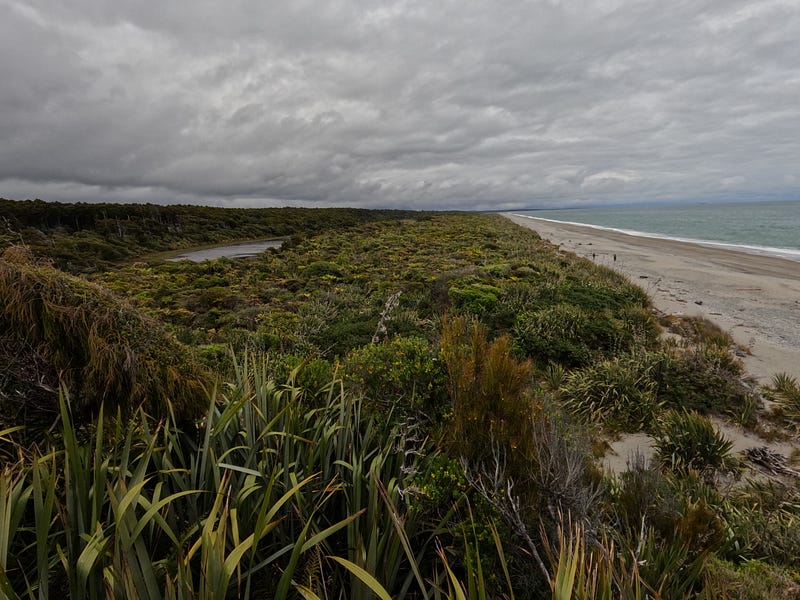
Photo credit: Anne Bonfert

It felt so unreal. Standing on the west coast, overlooking the Tasman Sea while inspecting the beach covered in endless flat, round pebbles formed from glaciers thousands of years ago.

After having gotten defeated by the wildness of the West Coast we had left the day before, we woke up on a campsite near the highway crossing the Southern Alps.

The hundreds of sandflies were just waking up creating a noise on our tent that made it sound like it was raining. We didn't get out of our safe place before having porridge for breakfast and enjoying our coffee or tea. Inside.
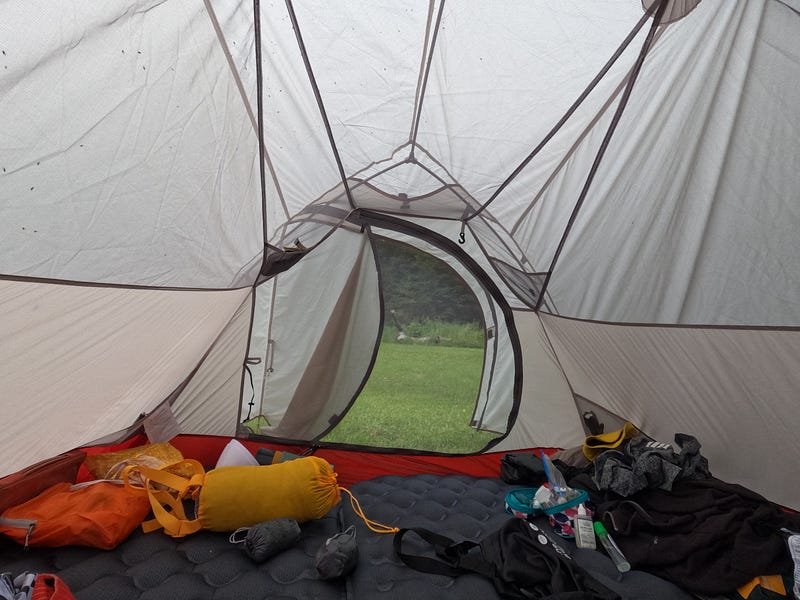
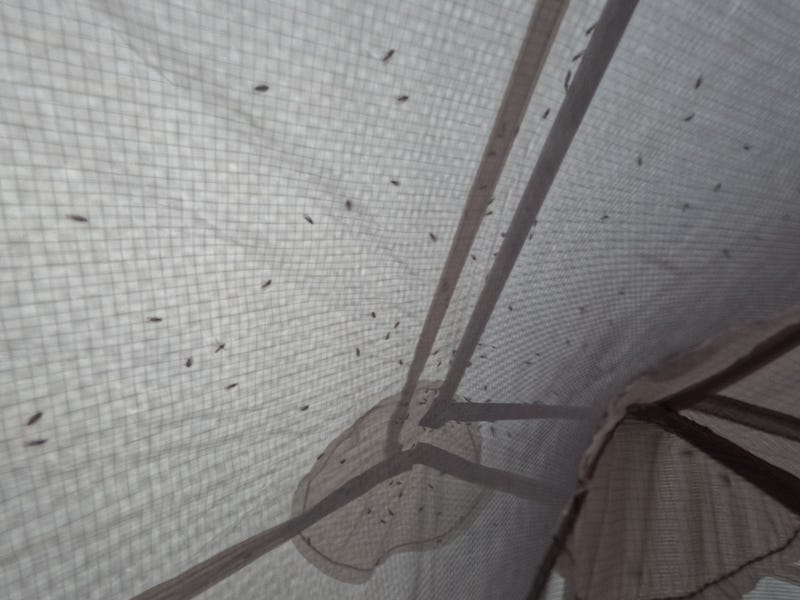
The flies were sitting between the layers of our tent. | Photo credit: Anne Bonfert

After we bathed in loads of insect repellent and put on our hat nets keeping any annoying flies off our faces, we were ready to get out and pack up camp.

While many other campers looked amused at the sight of the nets on our heads, they soon became envious as we didn't seem to care about the swarms of these very clingy and biting insects.
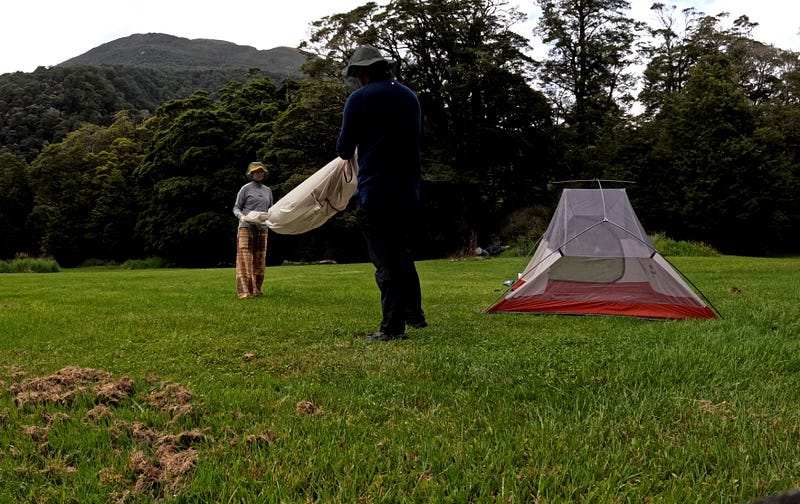
Taking down our camp while wearing hat nets. | Photo credit: Anne Bonfert

Soon enough, we were back on the road driving out of the mountains on an overcast day promising rain sooner or later. The forest was still lush and so thick, one couldn't see even a meter into the jungle.
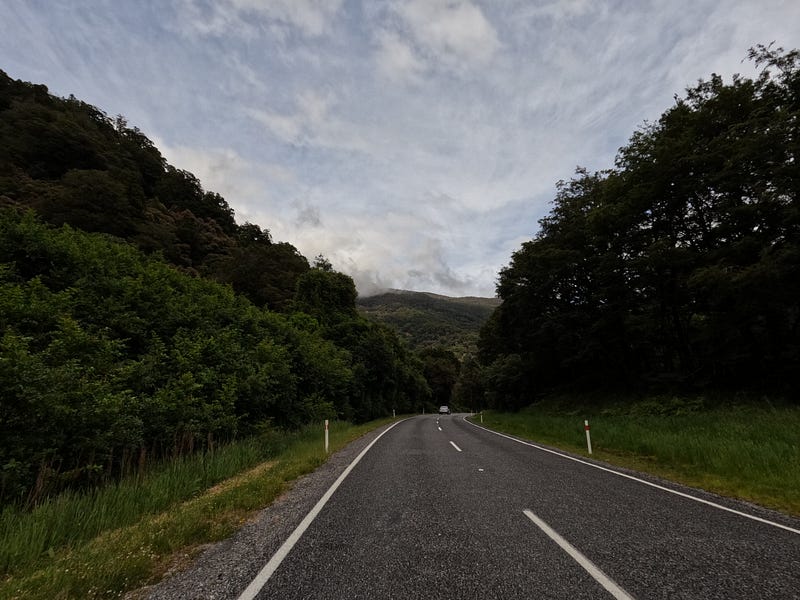
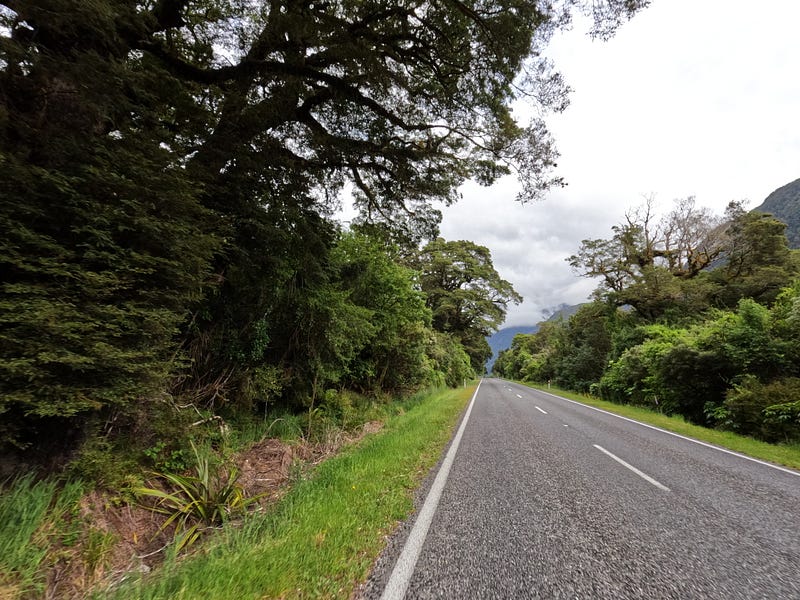
The road through the mountains. | Photo credit: Anne Bonfert

The Haast River remained to our right flowing down the valley in a very broad floodplain. The water was shining turquoise-blue despite the little light coming through the clouds.
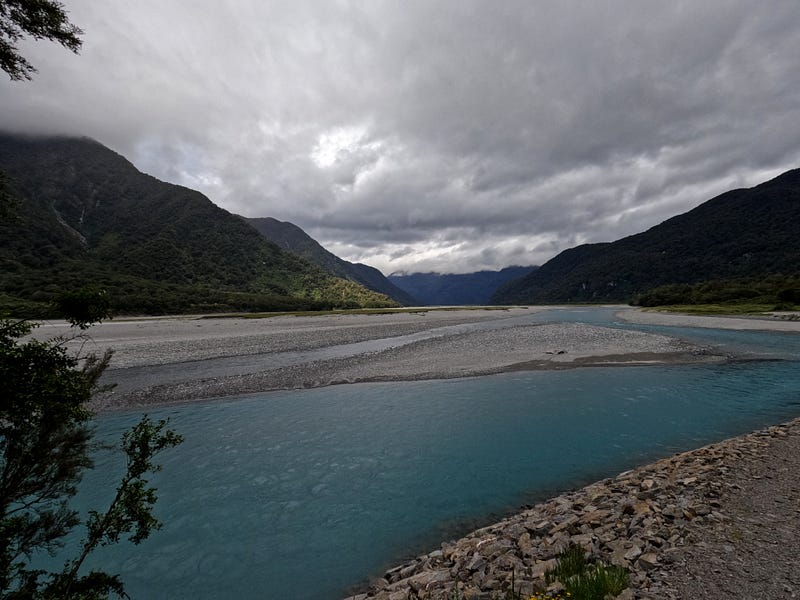
The turquoise blue Haast River. | Photo credit: Anne Bonfert

It rained a bit before we saw the ocean behind the town of Haast for the first time. The Tasman Sea. A new ocean to us. Vast and rough but not today as the surface was flat like the one of a lake.

The Tasman Sea is a marginal sea within the South Pacific Ocean covering 2,000 kilometers of water between Australia and New Zealand building the line between the two world's largest oceans, the South Pacific and the Southern. And not to forget, this stretch of sea is up to 6,000 meters deep.
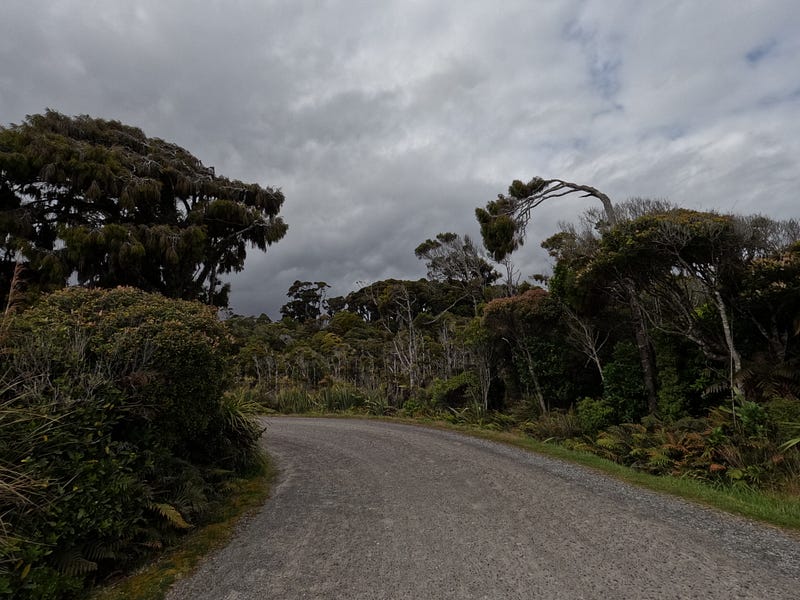
Despite or because of the overcast sky, the landscape appeared wild. | Photo credit: Anne Bonfert

We drove North until reaching Ship Creek Beach, where we pulled into a parking lot for the dune walk and the swampy forest trail. Passing the first tourists, we found ourselves on a small hill of sand right behind the ocean.

In case you're waiting for a shipwreck to be seen on the coast here, you'll end up disappointed. The river leading into the sea at this place received its name as Ship Creek when a brass buckle and some timber from a sunken ship off the coast of Australia washed ashore from the currents and the winds in the channel.
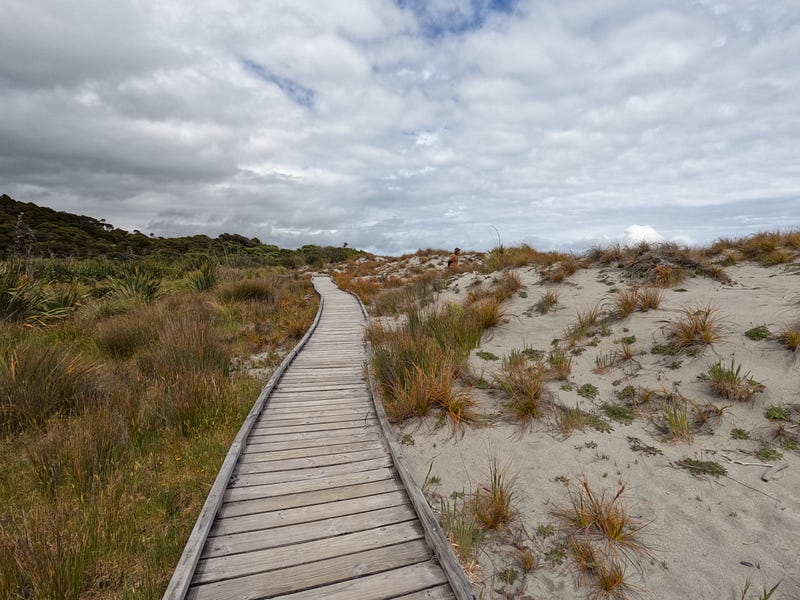
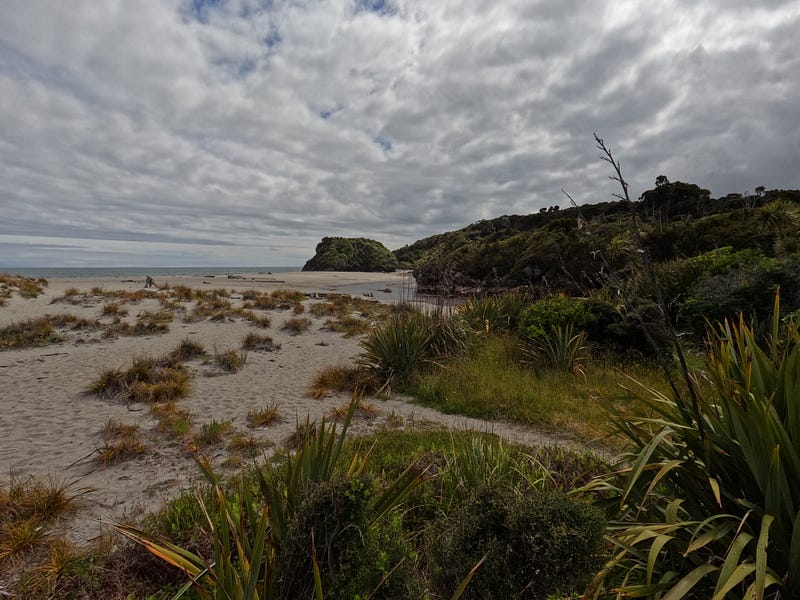
The boardwalk behind the dune. | Photo credit: Anne Bonfert

Marveling at the lush green landscape reaching right into the sea where thousands of years ago the Haast Glacier was covering the surface, we gaped in awe.

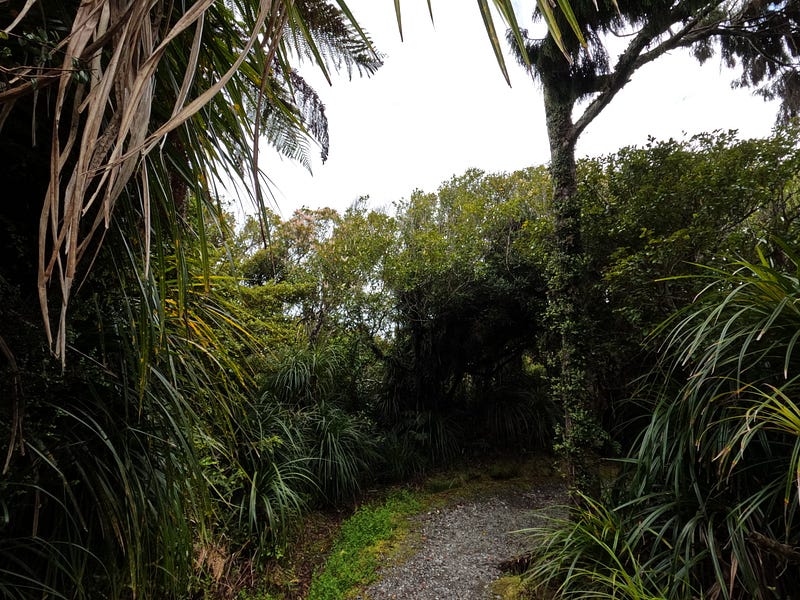
Turning back onto the boardwalk, the sea disappeared out of our sight and we were back in the jungle. It felt almost unreal to have such a wild and thick forest right on the coastline.
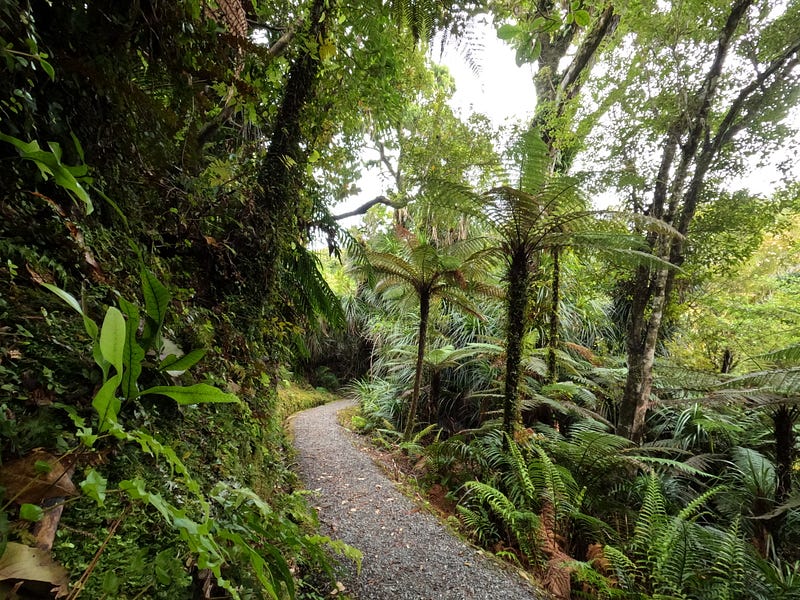
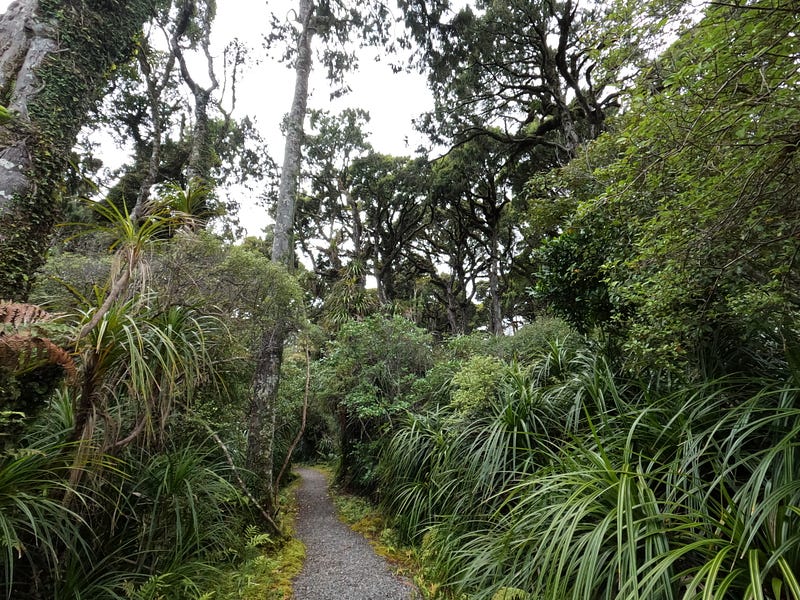
The trail through the forest. | Photo credit: Anne Bonfert

The trail was mostly flat, broad enough for a wheelchair to get through and well-maintained. David said it was too boring. I thought it was difficult to please his standards. Yesterday’s trail was too hard, today’s too easy.

But I kept quiet.
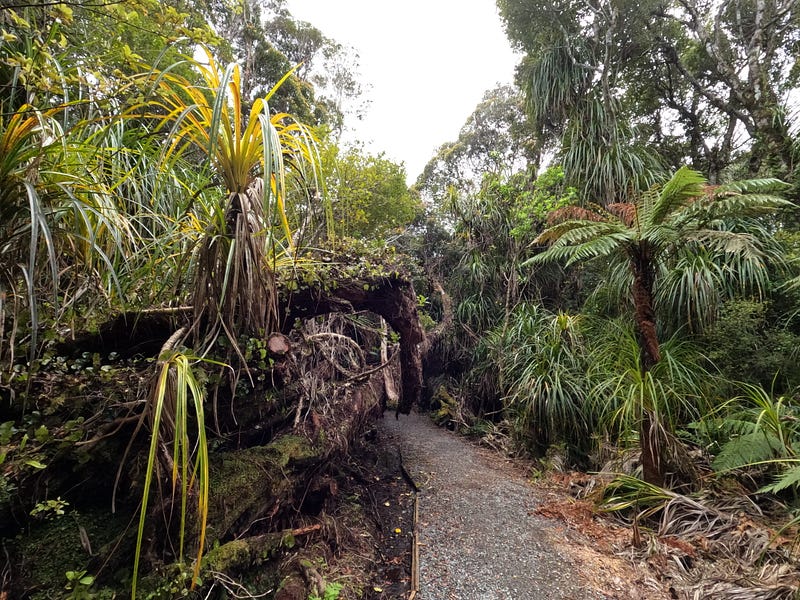
The lush vegetation in the forest. | Photo credit: Anne Bonfert

Listening to a myriad of birds chirping and singing in the trees, I indulged in nature's sounds while strolling through the forest. Fern and moss weren't just covering most of the forest floor but the trunks of almost every tree around me as well.

The boardwalk was leading out of the thick vegetation for a few meters offering a view over a small pond and the swamps.
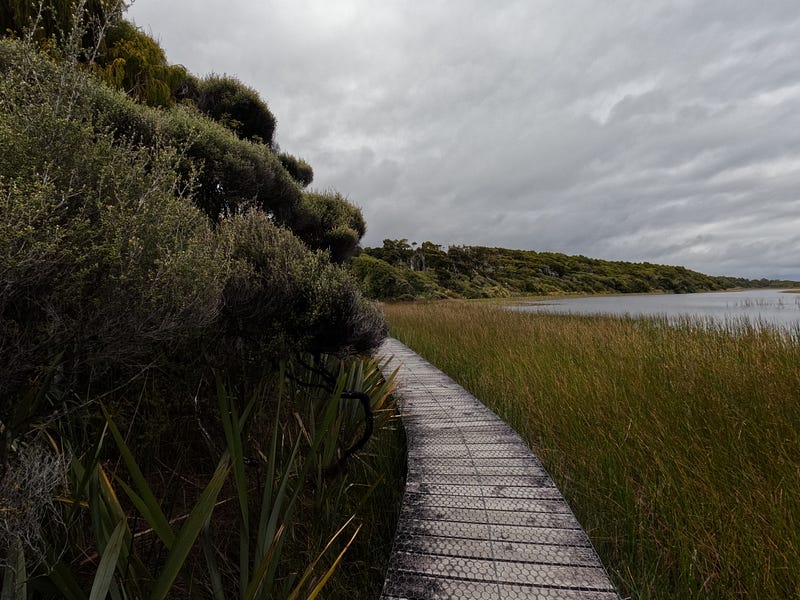
A wooden walkway through the swamps. | Photo credit: Anne Bonfert

And back into the deep forest for a moment or two. Nothing revealed there was the endless sea behind this wall of ancient trees.
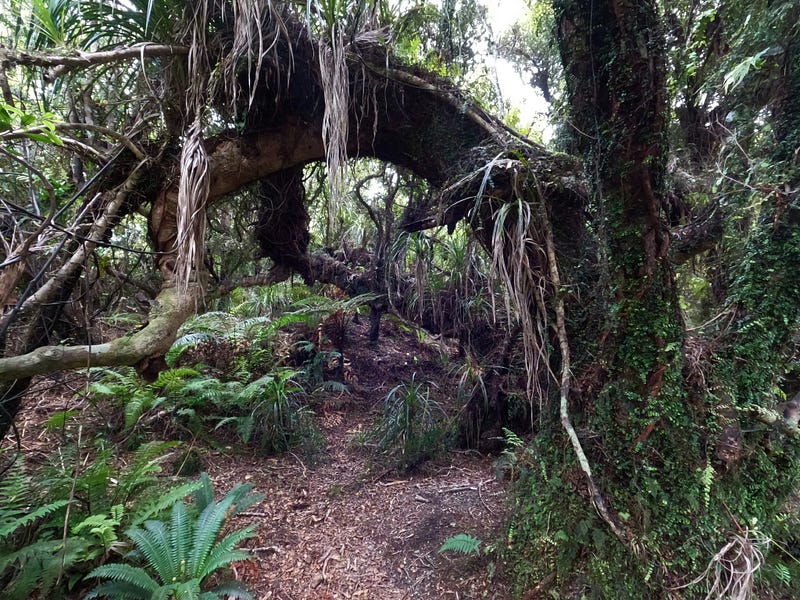
Raw and wild. | Photo credit: Anne Bonfert

Climbing up a few steps we were rewarded with a spectacular view of the coastline from a wooden deck as viewpoint.
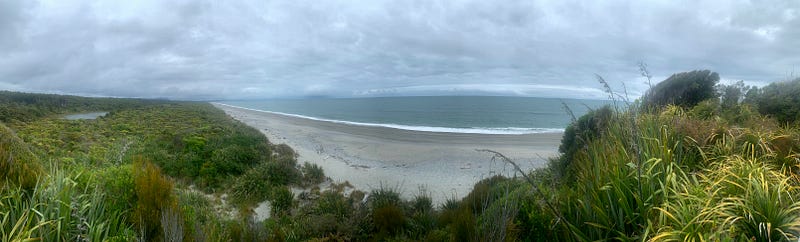
The West Coast and the Tasman Sea. | Photo credit: Anne Bonfert

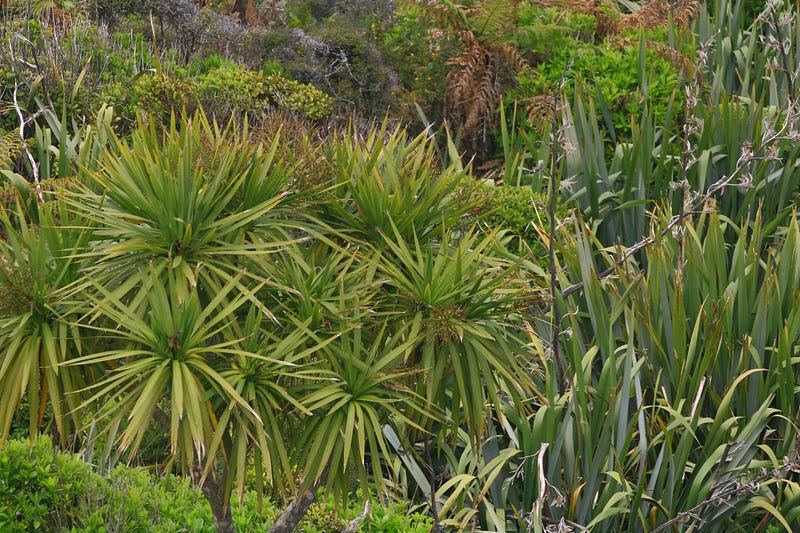
We both marveled at the thick and lush forest stretching for miles ahead of us. And the diversity of the woodland. From palm trees, beech trees, white pine and all kinds of other, to me unknown, trees, the forest had it all.
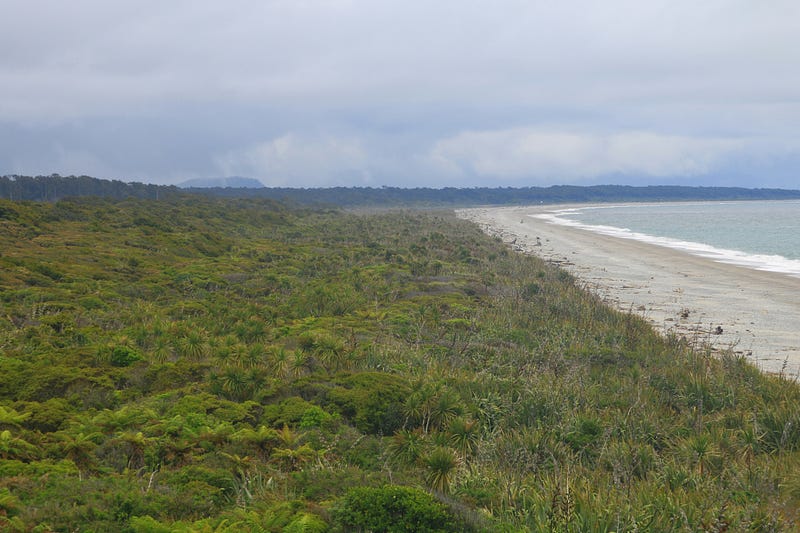
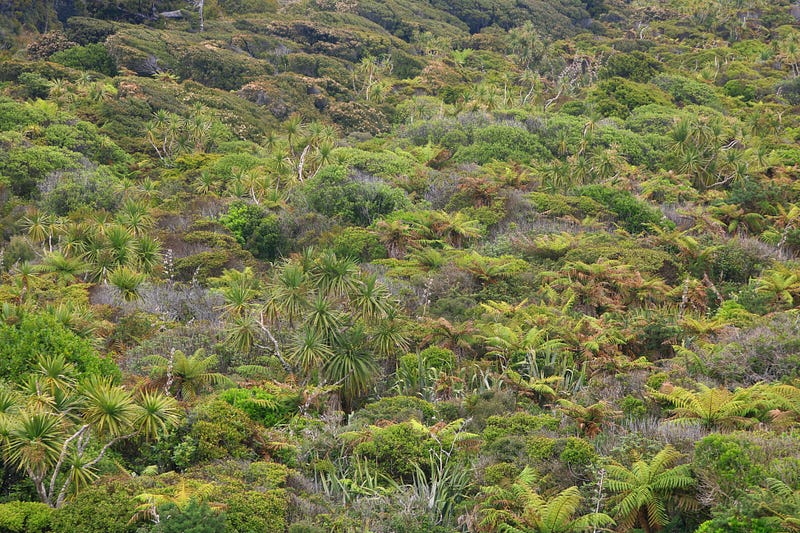
A vast range of diversity in the coastal forest. | Photo credit: Anne Bonfert

Stepping down from the platform, we reached the beach. Some funky fungi were growing on a fallen log in the sand. Shining bright orange, it stood out quite a bit from its surroundings.
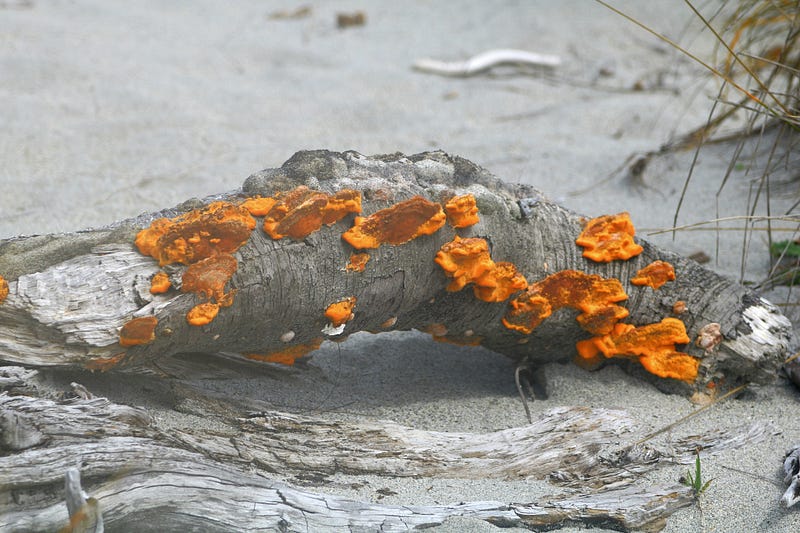
Funky Fungi. | Photo credit: Anne Bonfert

This was it.

The West Coast of New Zealand with the Tasman Sea ahead.
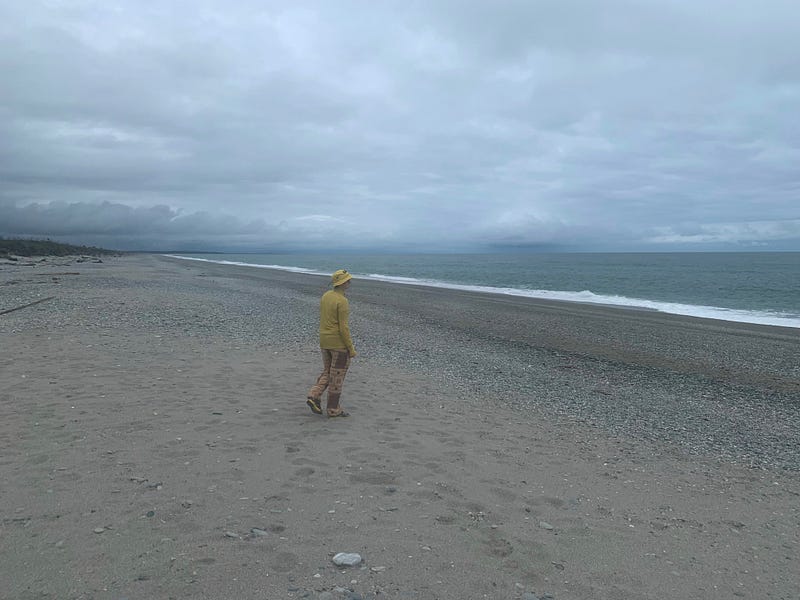
Looking out at sea. | Photo credit: Anne Bonfert

We both wondered at the origin of the incredibly flat and round pebbles lining the beach but after reading up on the Haast floodplain and the glacier that once stretched here, I understood these rocks had been formed by ice.
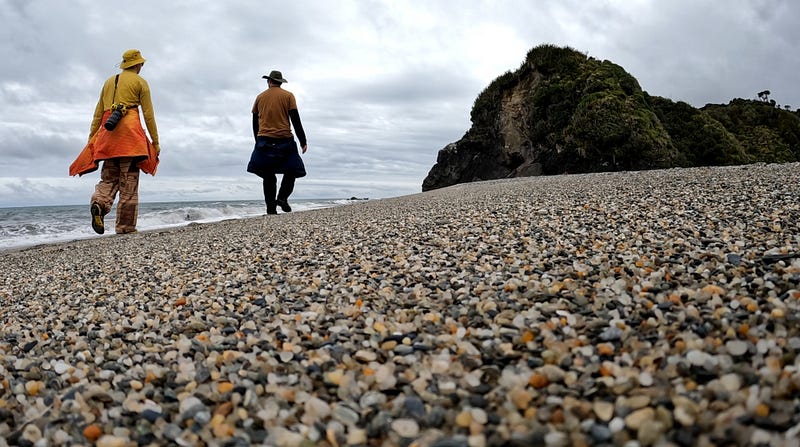
The two of us walking down the beach. | Photo credit: Anne Bonfert

We headed to the cliffs where the river meets the ocean. David played skipping rocks on the flat but still moving river water. These from the weight of the ice-pressed pebbles were perfect for rock skipping. We both cheered happily as we watched them fly across the water's surface.
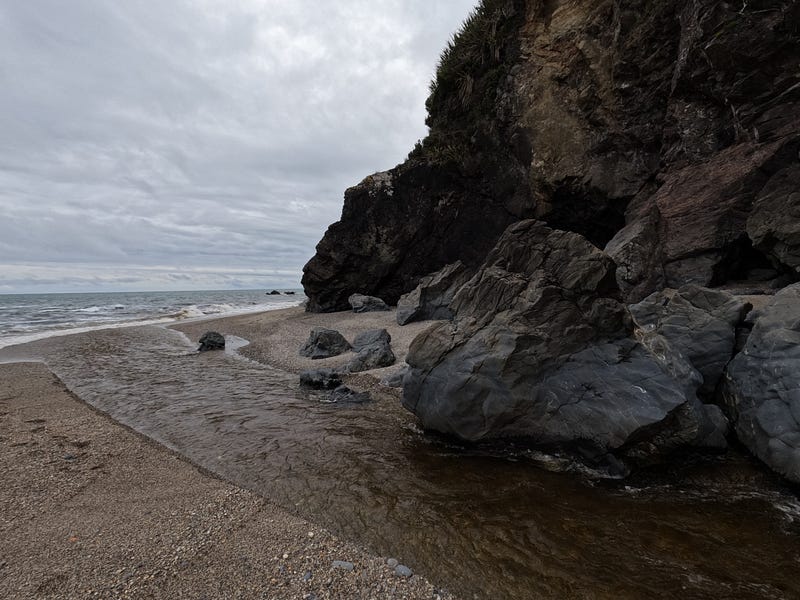
A stream flowing into the sea. | Photo credit: Anne Bonfert

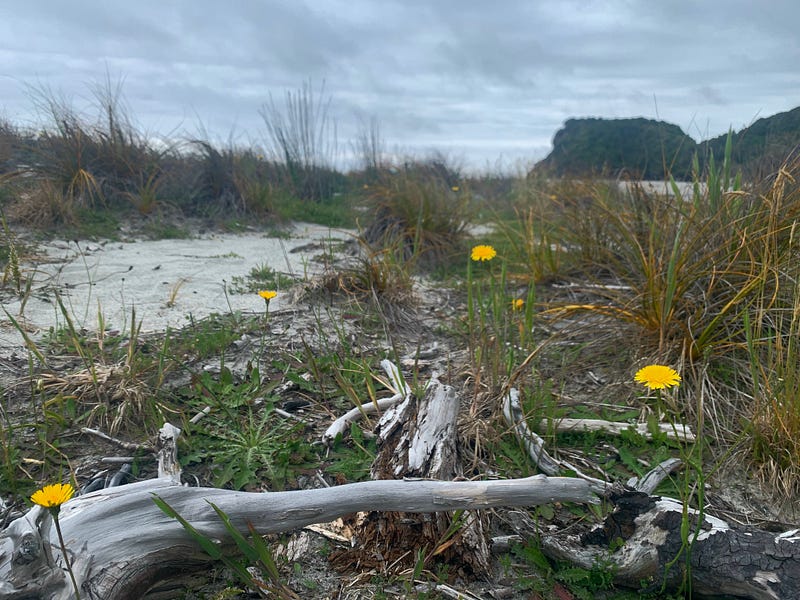
While there had been a few cars in the parking lot and even a tour bus had arrived, most people rushed through the boardwalk and were back in their vehicles before we had taken even one deep breath of the salty air.
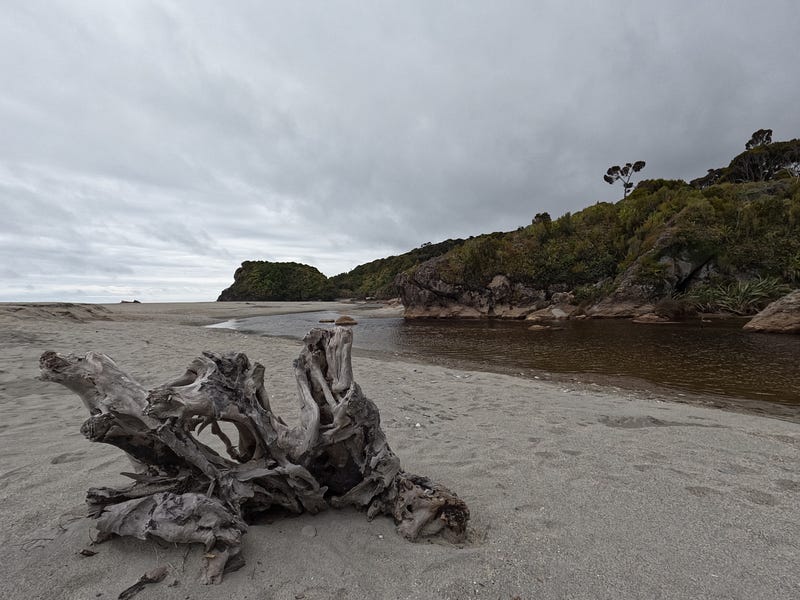
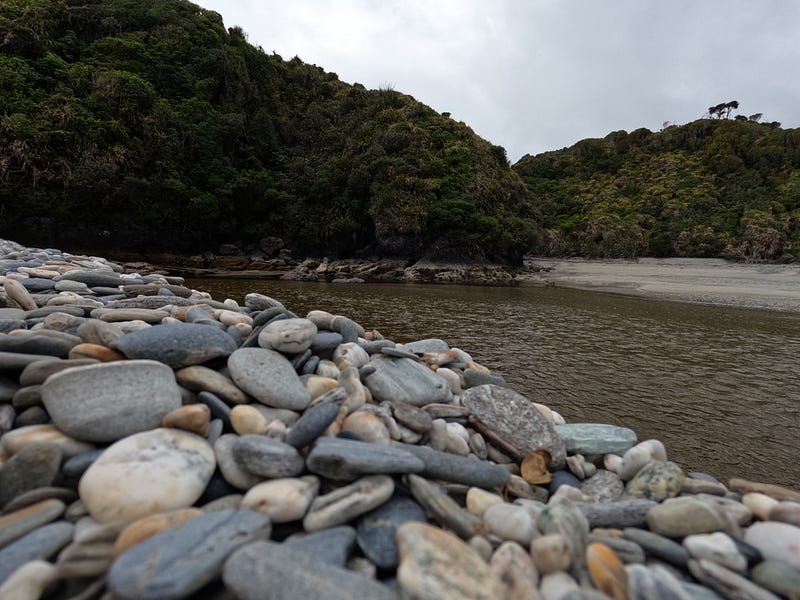
Natural landscapes of the coastline. | Photo credit: Anne Bonfert

After getting back to the start of the path, we turned inland for the swampy forest trail. Walking on a wooden boardwalk, partly covered in pebbles, we went deeper into the swamps and the old, native forest.
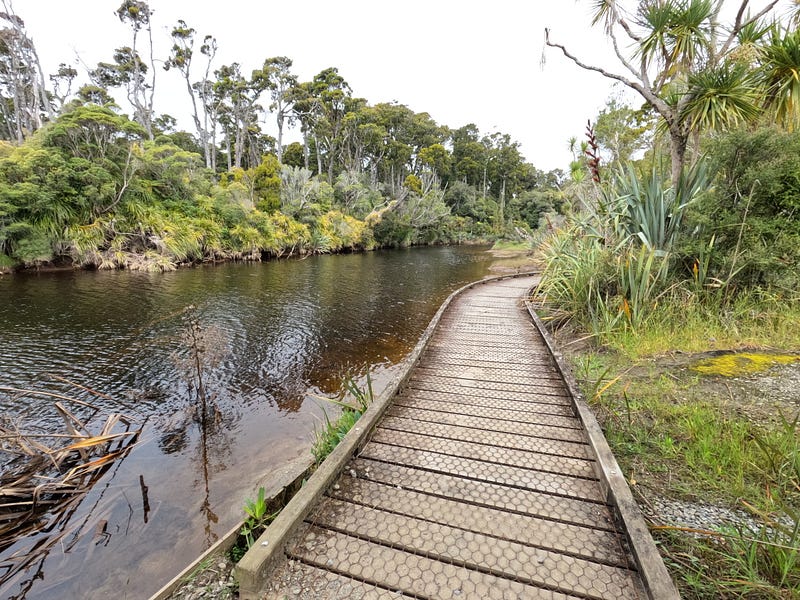
The wooden walkway into the swamps. | Photo credit: Anne Bonfert

I stopped to marvel at the vegetation. Vines and creepers were covering every inch of the forest. Every fallen and standing tree had no longer a visible bark but layers of green leaves atop.
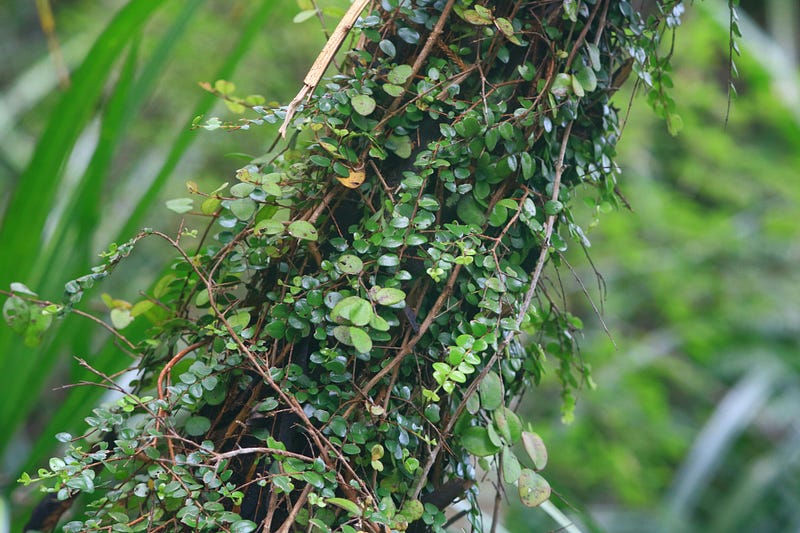
So many vines were growing on this tree, its own trunk disappeared. | Photo credit: Anne Bonfert

When I took notice of the overgrown trunks of the forest giants, David's attention was taken by those logs decaying in the water. He even stopped to take a picture of the reflections of the forest in the wetland.

David doesn't just stop to take a picture of anything. After all, he's married to a woman who takes pictures of any- and everything. He mostly just walks and enjoys which I often admire but here, he stopped and he took the picture leaving me standing behind wondering about the situation.
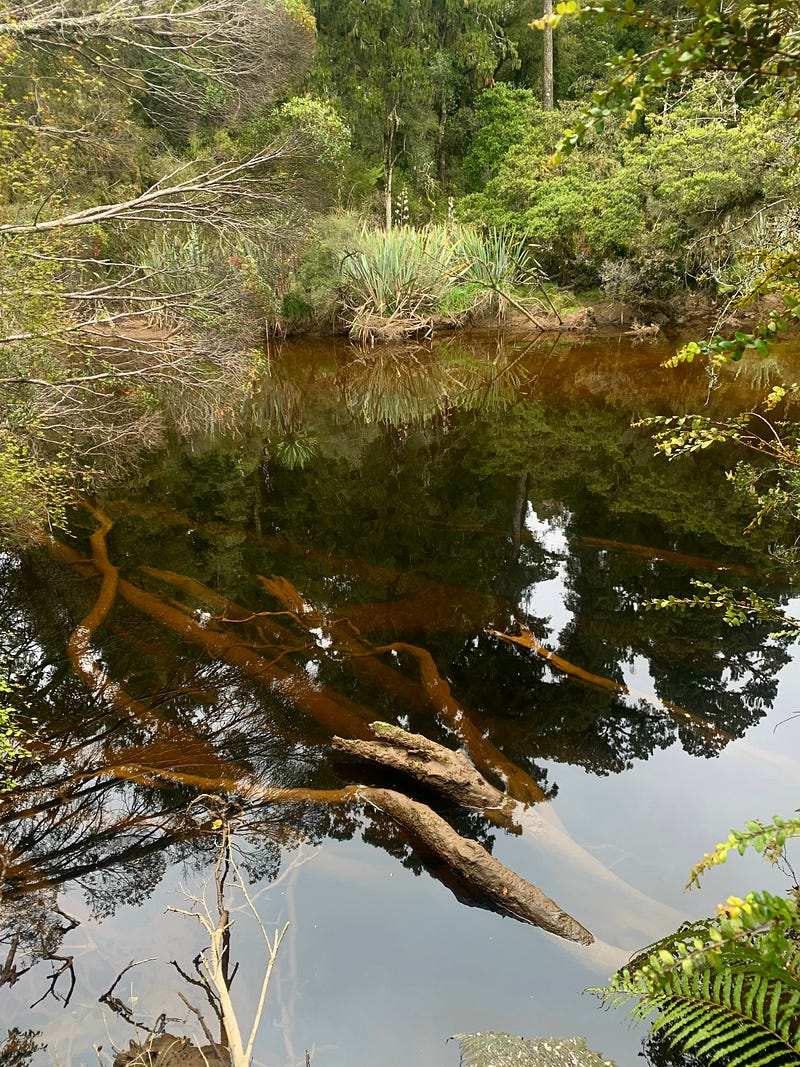
David’s photo of logs in the water and the reflecting forest. | Used with permission.

There is one species of trees in this forest that towers majestically above all other vegetation.

The Kahikatea.

With a straight gray trunk and distinctive lofty branches reaching far into the sky, the tree canopy hangs 65 meters above its shallow roots. New Zealand’s tallest tree loves the swampy ground and finds strength by interlocking its roots around its neighbors'.

“Kahikatea is New Zealands tallest indigenous tree. The white odourless timber was used extensively to make butter boxes, for much of the late 1800s and early 1900s. It was this practice which all but eliminated kahikatea-dominated swamp forest from the North Island and northern South Island.” — New Zealand Plant Conservation Network

This coniferous tree is also known under the name of white pine. The local Māori tribes used the timber to make tools and cut the trees more sustainable than the European settlers who came later and not only chopped down entire forests but drained the swamps as well to create dairy farms.

Happy to be standing where one of the last swamps in the country survived and are now protected, I got a stiff neck staring up at these giants.
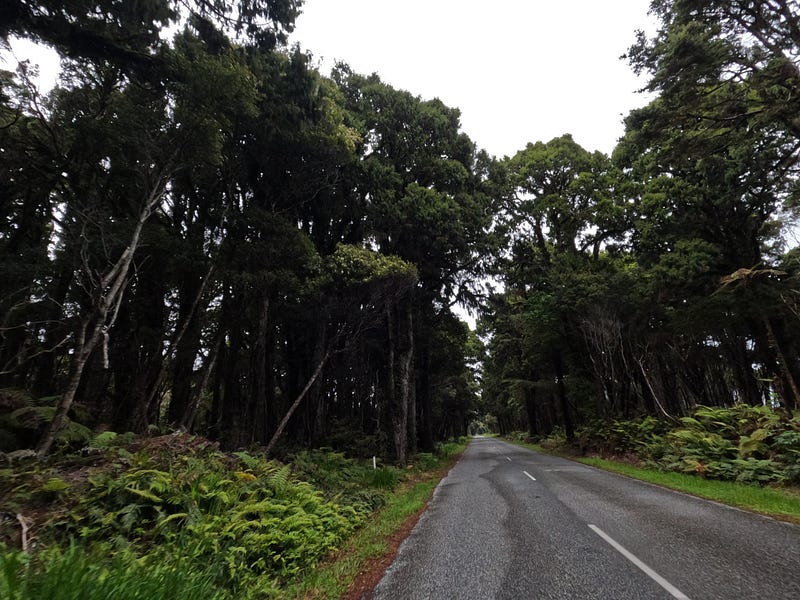
The road to Jackson Bay. | Photo credit: Anne Bonfert

We hit the road South again. Jackson Bay I announced as our new destination. The road was leading just meters next to the ocean with tall trees lining most of the journey.

Since I read on some hiking platform about a small but recommended seafood stall in this remote bay on the West Coast, we didn't stop for lunch in Haast. David was saying he just hoped the place would be open.

But the luck was on our side and the container-sized restaurant was open and a lovely lady welcomed us inside where a group of people was just finishing off their meal.

The menu wasn't big and you shouldn't enter if you don't like seafood but since none of that bothered us, we both ordered a plate of food. I enjoyed mine with a local white wine that paired perfectly with the seafood basket.
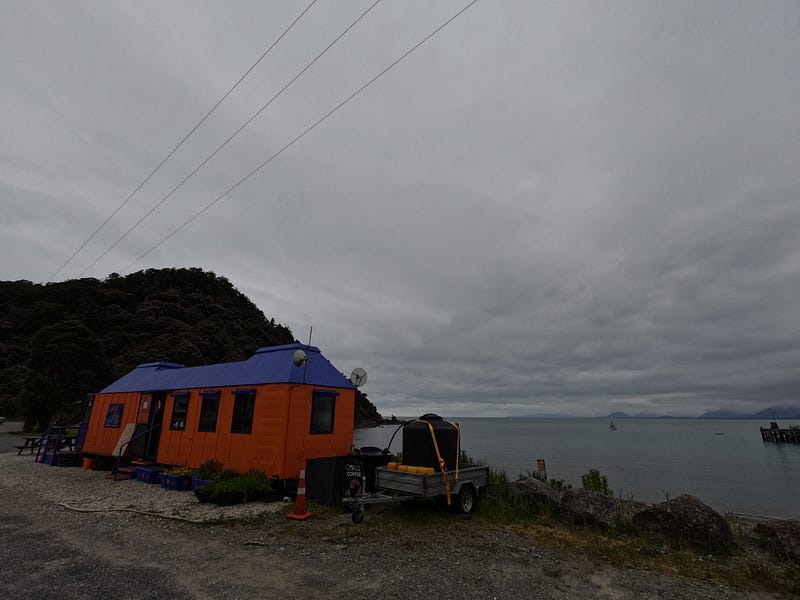
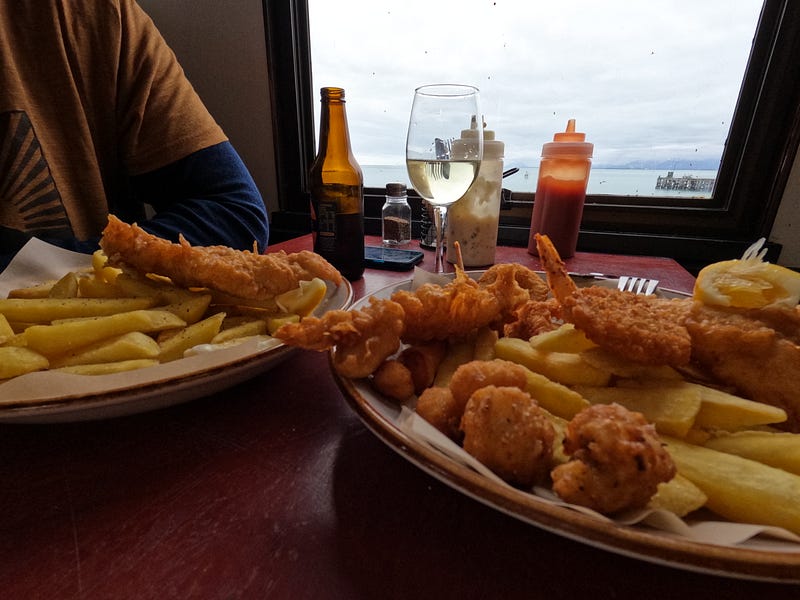
The Craypot. | Photo credit: Anne Bonfert

After having eaten too many chips (there is no such thing as too much seafood), we needed to walk off the calories and chose to take the well-maintained trail leading to the other side of the peninsula.

It's not like one could just hike off into the woods here. Where there is no trail, there is no way through the bush. These paths might be easy to walk on but offer the only option to enter the thickness of the lush coastal forests.
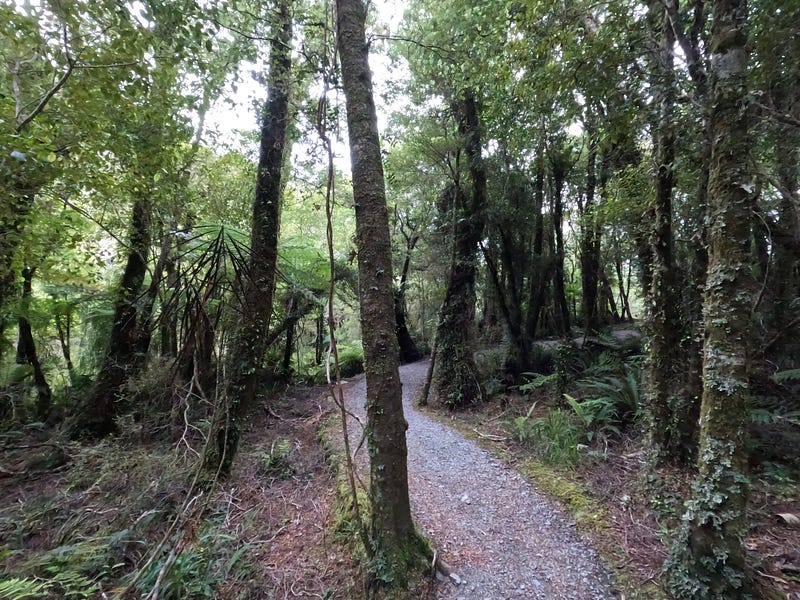
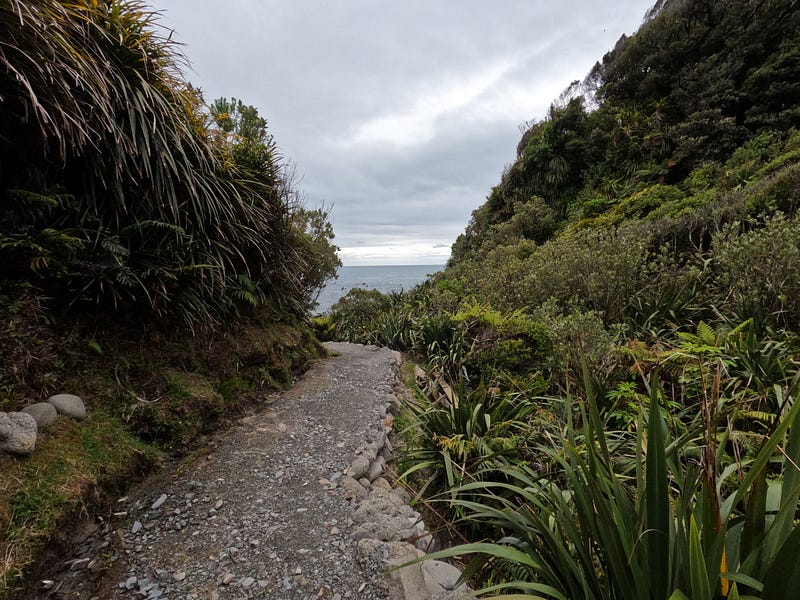
The trail leading through the forest. | Photo credit: Anne Bonfert

Arriving in the bay on the other side, we sat down on a fallen log and stared out onto the ocean. David said how he wished to just put on fins and explore the marine life underneath. With a wetsuit on of course. You can't survive in these waters otherwise.
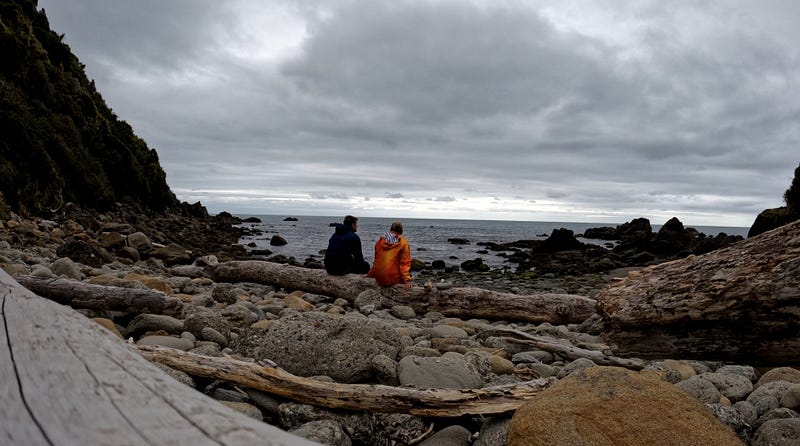
Overlooking the Tasman Sea. | Photo credit: Anne Bonfert

Since the always-present sandflies soon began to swarm us, we got up and headed back into the forest. As long as you keep moving, they leave you alone. You won't even know they are there until you stand still.

“What next” was the question and while we were debating between sleeping another night in the mountains and heading home, the overcast skies, low temperatures and relatively short distance to our warm bed on the other side of the Southern Alps made the decision fairly easy.
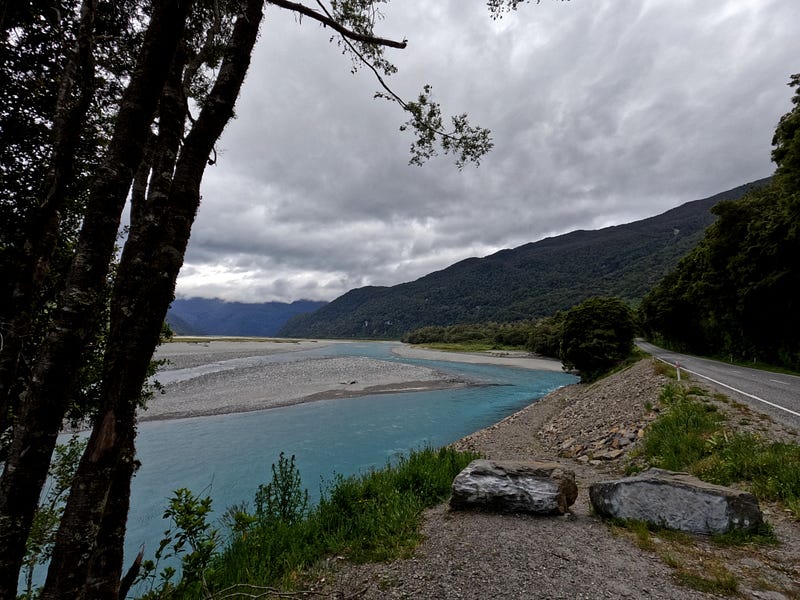
Driving back up along the Haast River. | Photo credit: Anne Bonfert

Following the turquoise-blue Haast River upward from the delta into the mountains, we stopped at Thunder Creek Falls to marvel at just another magnificent waterfall in the mountains.
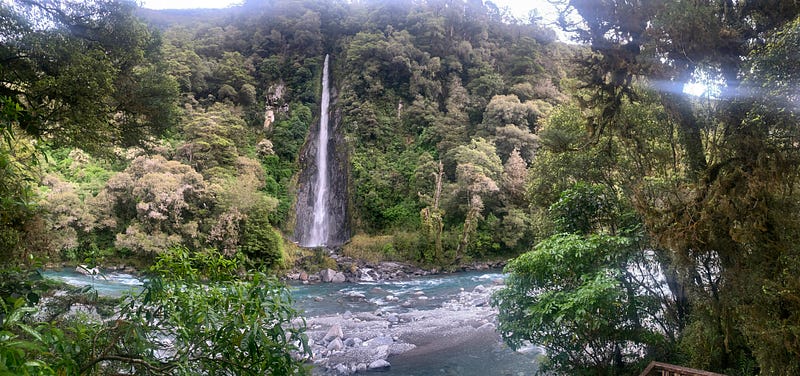
Thunder Creek Falls. | Photo credit: Anne Bonfert

As described in Tim’s book about the abundance of waterfalls in Norway which would have been turned into tourist sights in every other country, New Zealand also has water rushing off every cliff and creek in the mountains.
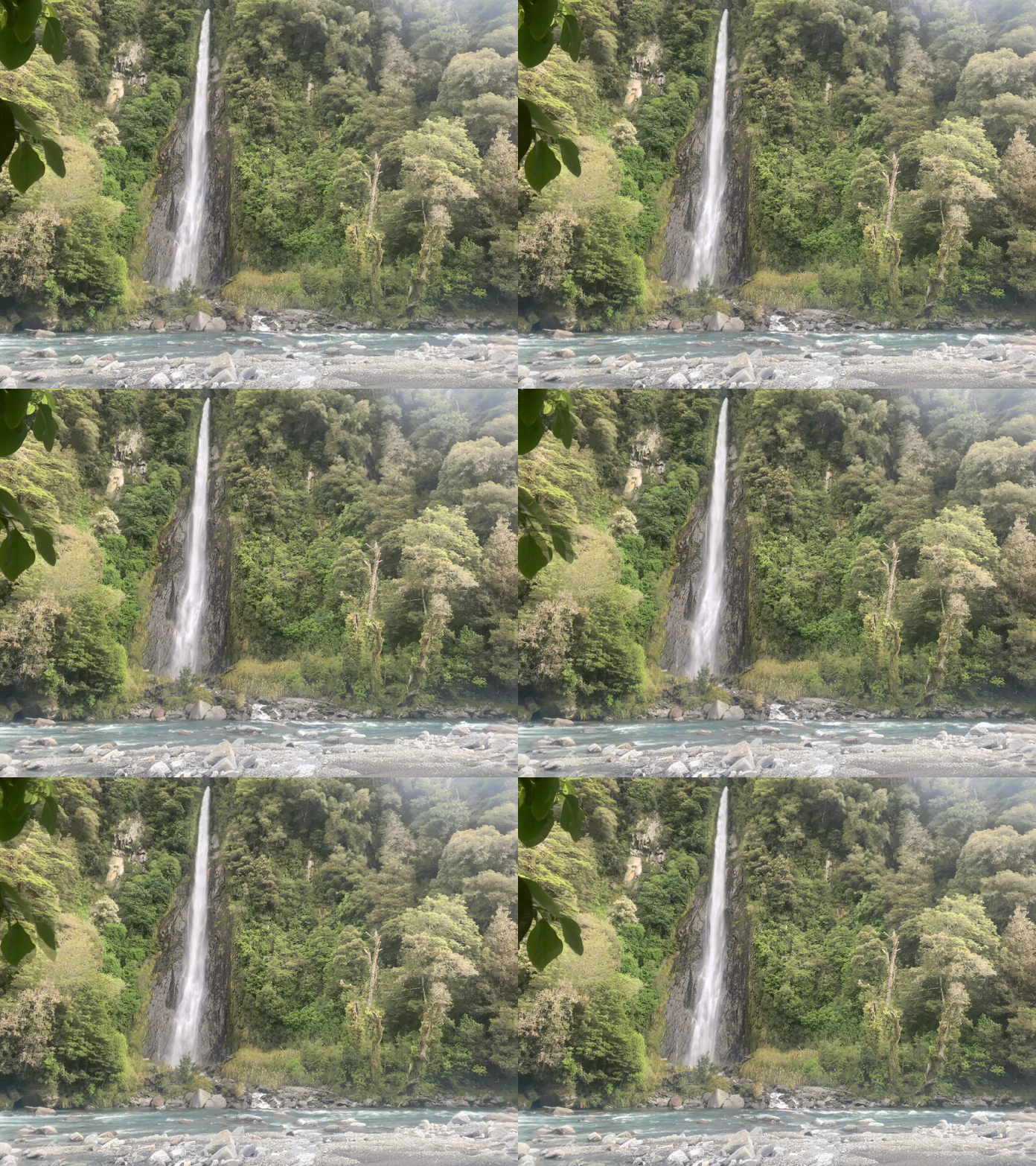
The falls in motion. | GIF by author

As we were pulling away from the car park of the falls, we heard a weird squeaking sound on the car. Looking at each other, we knew the sound came from the brakes but David quickly said "there is nothing I can do now".

He stopped, looked under the car and returned shrugging his shoulders. He said this doesn't mean all the brake power is gone. The brake pads might just be worn a little.

Yeah, I'm not gonna say what he discovered the following day when he dismounted the wheel and took off the brake pads but it was better we did not know how little (or none) of the pads were left as we were still climbing up to Haast Pass before rolling downhill all the way home.
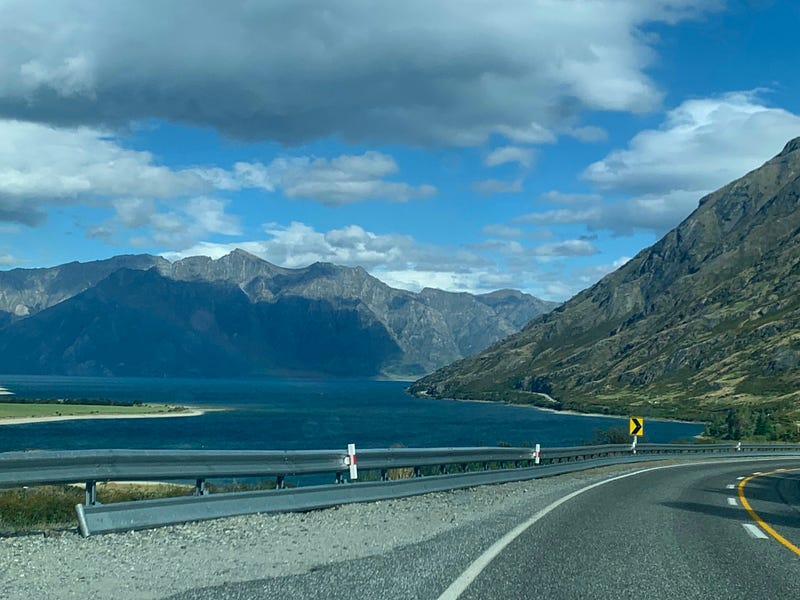
Lake Hawea. | Photo credit: Anne Bonfert

If you’re interested in my New Zealand adventures, subscribe to my newsletter to stay updated or check in on my new list regularly. Join my email list here if you would like to read more photo essays.

Shutterstock | Instagram | YouTube | Mailchimp | Amazon | Redbubble

Travel
Hiking
Outdoors
New Zealand
West Coast
Recommended from ReadMedium