
Where Is Your Anger Going?
Understanding anger to create positive change
Have you been angry lately?
Have you had an angry outburst recently? I know I have. Maybe you are increasingly prone to bouts of shouting and swearing, increasingly verging on losing it? Many of us are angry just now. It is important to take a few deep breaths and face up to where our anger comes from and where it goes. Let us look at anger as a journey, ending up at positive destinations, not in the dead-ends of violence, war and disaster.
When you look at your life now and your life to this point what makes you angry? Let anger be your guide to your future action and use it to bring about change for the better.
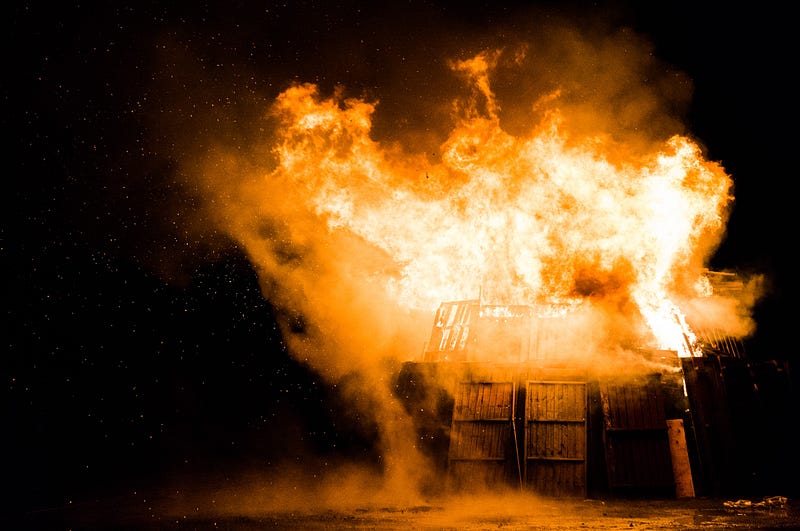
Anger as a journey
I like travelling and it might be helpful to consider your anger like a journey. It has a start and a finish. Something instigates the take-off flight, something lights your fire. Identifying the beginning of your anger and what fuels it to continue is helpful. Ideally, you want to be the driver of this journey, not the passenger witnessing things heading out of control.
I am a pacifist interested in anger. I have lost my temper only once with serious consequences. It was a very brief episode, perhaps six seconds long, involving my school friend Glen in a science lesson back in 1985. I am still not sure why I hit his head on the desk. What I do know, is aggression is a perfectly normal emotion that when better understood can be used for good, rather than harm. Apologies again to Glen, thankfully no lasting injury occurred.
As I get older I seek more calm, more quiet, fewer people and more peace. I secretly dream of living in the UN’s University of Peace in the ultimate peace-loving nation of Costa Rica, which abolished its military in 1948. But my dream is in stark and painful contrast to Russia’s war of aggression against Ukraine and a sense that anger is like a fire burning away in many individuals and groups.
Anger can be misunderstood. It need not always result in negative outcomes. Indeed much of the positive change we need will come from anger if it is better understood. Anger, like a fire in a forest, might appear to be negative and destructive but can be regenerative.
Reasons for anger
When I look at developing horror in Ukraine and the challenging lives so many people have everywhere, increasingly characterised by fear, I am left wondering why people are not angrier. People have lots of valid reasons to be angry. The lifestyles many have known and loved are disappearing as we stand and watch. We are removed from the people and things we love by forces beyond our control. Many of our fellow humans are either living in abject poverty or within war zones (or both) and we are all struggling to consider how we can personally impact a globally warming climate.
Key reasons for collective and personal anger
- Violence. We saw this most acutely in Ukraine this week but we experience it more subtly in our communities most days. Abuse in its various forms is the instigator of anger which can take years to surface. By extension not being treated equally and fairly can likewise generate anger over time and is a mini act of violence.
- Covid restrictions have robbed people of a perceived future as well as isolated them from the people and activities which they love. Our relationships with each other, our work and our lifestyles have fundamentally changed. This creates stress which generates anger in many.
- Most people are financially crushed by the worry associated with rising living costs whilst large corporations generate obscene profits. Additionally, the disparity between the world’s wealthiest individuals and the mass poverty millions are enduring is blatantly inhumane and unjust, and getting worse.
- The evidence for the need for radical action to address climate change and pending environmental catastrophe is beyond compelling. Yet our leaders seem to frustrate and fail us, actively opposing or obstructing what is needed for change.
What interests me, particularly in this time of political, environmental and societal upheaval, is why more people have not lost it yet? Why have more people NOT lost their sh*t? Why are we all so relatively compliant? Where is our anger going?
History tells us that people have their breaking point. Anger will deliver change, but what is important is how this anger is understood and directed.
Directing personal anger for good
I have worked with folks with dementia for many years. During that time many peace-loving individuals, once diagnosed with dementia, have gone on to be labelled as ‘aggressive’. As an advocate for people living with dementia, I fought against this perception on their behalf every time. In reality, dementia never makes someone aggressive.
Aggression is the result of unchecked frustration, isolation, division and distancing we feel from others emotionally where no one is prepared or can join our world and understand our life. When you have a point of view no one understands, listens to, agrees with or appreciates then your position can quickly (and understandably) become aggressive.
Three of my grandparents lived and died with dementia. I have a right to be angry about that. I used that anger to try and address key problems associated with living with dementia. I started and grew a successful organisation called Dementia Adventure which got people out of isolation into nature for a sense of adventure and togetherness.
Over ten years later I can relate to the anger in my younger self but no longer feel the anger burn for my grandparents and have found my peace with their experiences.
Finding peace when angry
Anger is natural. Rather than labelling it as bad and trying to control and suppress it, we need to embrace this most powerful of human experiences. Individuals are rightly angry and groups have just cause to be angry. But personal and collective anger can be channelled and directed into positive action.
Anger can mean hatred and destruction, but it need not always result in negative outcomes. There are as many reasons to be angry as there are degrees in a circle. But by embracing and understanding our anger we can bring about positive change. In doing so you can find your own peace and help deliver peace for others.
We don’t need wars, violent rebellions and revolutions; we need solutions, action and resolution!
So what makes you angry again?
“Never doubt that a small group of thoughtful, committed, citizens can change the world. Indeed, it is the only thing that ever has.” — Margaret Mead


