
Where is the Love: Cultivating Global Compassion Starts with You and Me
As cliché as it sounds, love really does make the world go round.
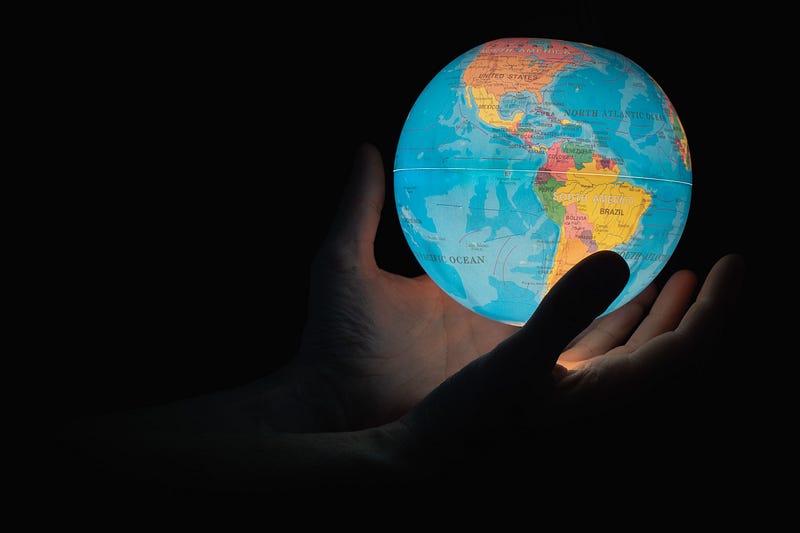
People killin’ people dyin’ Children hurtin’, hear them cryin’ Can you practice what you preach? And would you turn the other cheek?
Taken from the Black Eyed Peas hit song “Where is the Love?”, these are the lyrics I resonate with the most. I absolutely love how timeless this track is, in a sense that it bears a message that is still relevant to this day, and will most likely precede generations.
Looking at what’s being constantly broadcast on the news, it’s hard for one to not shudder with negativity and pessimism. From the mistreatment and rejection of Rohingya refugees, to the blatant genocide and crackdown faced by the Muslim Uyghurs in China, to the rampant discrimination and disrespect thrown towards the LGBT community in ultra-conservative states, to the constant misogynistic and racist abuse experienced by women and people of colour, these are just very few examples of crimes against humanity on a non-exhaustive list.
At times I just can’t help but think — what happened to the values of humanity, fairness and equality? Is this a legacy that we will be proud of? Is this what we plan on leaving behind for our future generations?
Nowadays, the act of hating seems to be a far easier choice than the act of loving. The act of compassion brushes off as disingenuous and unnecessary to a whole lot of people. The act of acceptance appears to be increasingly less accepted. Empathy and awareness are easily some of the most overlooked traits present in today’s modern society, as we often find ourselves saying or doing something with complete disregard to another’s feelings or the consequences. Like a domino effect, sometimes some of these actions and words produce chain reactions, akin to fission reactions in nuclear reactors. We have witnessed the catastrophic effects of uncontrolled nuclear fission chain reactions — take the Fukushima Daiichi and Chernobyl nuclear disasters for instances — the aftermath was devastating and irreversible.
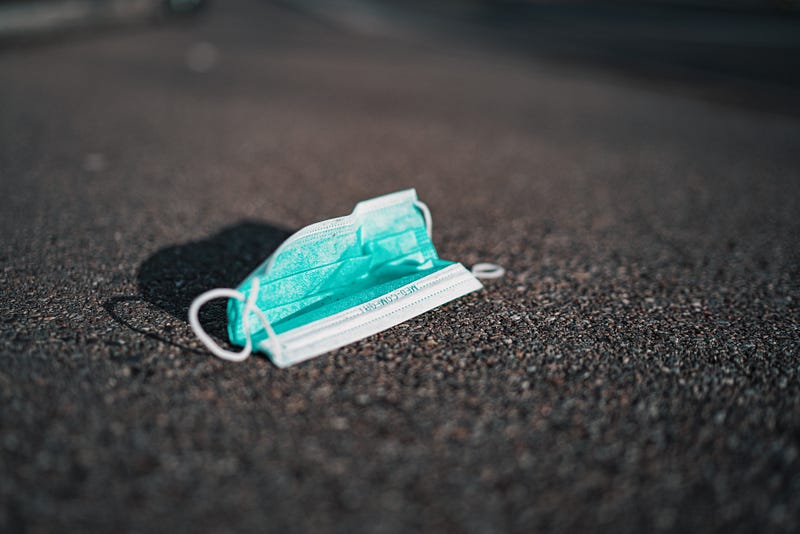
An easy (and ubiquitous) example could be drawn from the pandemic that we are currently facing. From experience, an alarming majority of people have no concerns whatsoever when it comes to practicing the necessary precautions in preventing the spread of the SARS-CoV-2. These simple and proven measures such as social distancing and the usage of face masks are put in place not just to protect ourselves, but also to protect others from contracting the virus.
Just imagine that you contracted the virus but failed to use any protection during the pre-symptomatic and highly contagious period, there will be a huge chance that you might have passed it on to many people around you. In the end, your resilient build might have survived the infection, but contrariwise many other far vulnerable people that you infected earlier on might have not. This ignorant and dangerous mindset causes the loss of many lives, simply because one fails to comprehend that life is not always just about oneself. It is always better safe than sorry!
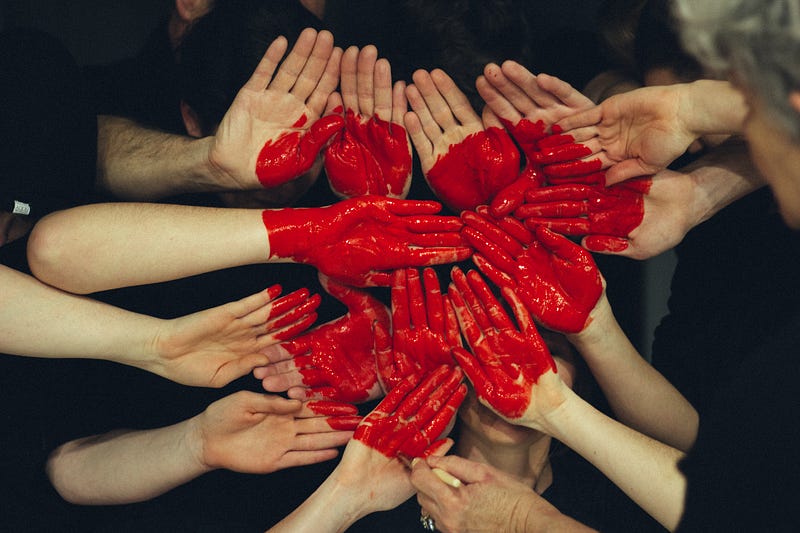
I often find myself pondering the possibility of living in a world with people without borders, boxes and boundaries. A world where race, gender, cultural disparity, religious differences, sexual orientation, gender identity, class and financial status do not hold more power over the one inherent quality we share in common — humanity. A world where we are all truly equal.
As much as these desires are extremely idealistic and bluntly put, naive and unachievable to most, I still choose to believe that we as mankind could collectively accomplish something great.
Empathy
For starters, having a little sense of empathy is the way to go. We should always remind ourselves how some of our actions could potentially affect others. Before passing any serious judgement, it wouldn’t hurt to put ourselves in other people’s shoes and try to understand what they had gone through or are going through. After all, words can be sharper than a two-edged sword.
To put things into perspective, wounds caused by a sword heal after a foreseeable period of time, whereas those inflicted by words could persist for months or years or even generations. Sharpened swords can kill few individuals, but meticulously selected words with ill-intent can drive a permanent wedge between communities, nations and cultures. Unfortunately, this is all too familiar as we have seen this play out in history (and current politics) several times, and we should do all we can to avoid history from repeating itself.
Acceptance
No one is perfect. Learning to accept not just your own flaws and shortcomings but also those of others is part and parcel of life that we have to accept. Radical acceptance might not sound appealing to some, but slowly opening up and breaking down walls in order to accept people for who they are can be extremely liberating that it almost gives you a sense of closure.
It’s extremely easy to judge someone superficially and jumping to irrational conclusions, but keep in mind everyone has their own demons and baggage. Before attacking someone for something that they have no utter control over, be a little more understanding and compassionate — think about how you would feel if the roles were reversed and you were placed in their shoes. Maybe this way you could learn to accept them for who they are. A little kindness goes a very long way.
Awareness
Practice self-awareness. Be a little more aware of the people around you — start noticing kindness; and once you do, it’s omnipresent. Many of us go through our days with our heads down low, buried in electronic devices, negligent to a lot of events happening around us. Raise your awareness level of others around you and you will begin to perceive many little acts of kindness. A short hold of the door for others, followed by a simple reciprocation by saying “thank you”, or a fellow commuter making way for you in a queue of traffic, these are a few of the simple things in life in which we tend to take for granted, but are fundamentally powerful enough to evoke feelings of mindfulness and appreciation.
In this dog-eat-dog world, more often than not we forget that putting others before ourselves in certain situations is not a major inconvenience, but it’s just simply being human. Remember, awareness breeds kindness, and kindness is contagious.
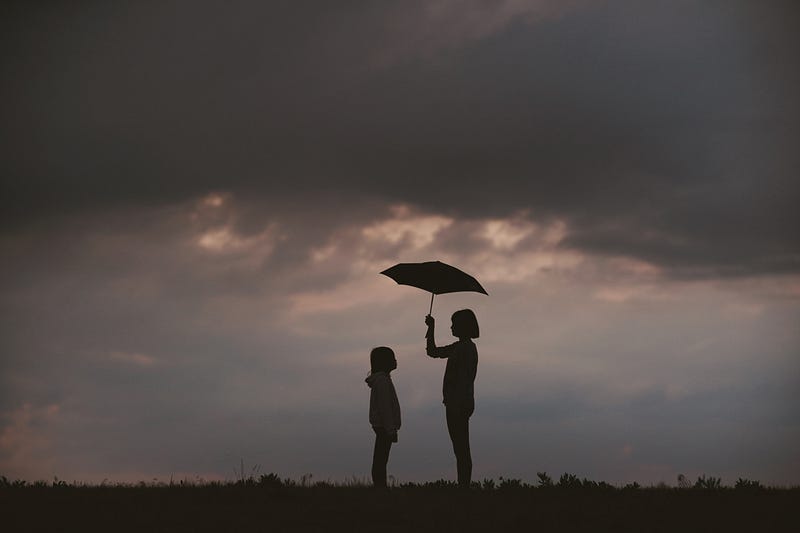
Love comes more naturally to the human heart than its opposite.
— Nelson Mandela
The simple takeaway:
A golden rule: Treat people the way you would like to be treated. A lot easier said than done, but we should all at least try to live up to this motto for a better and kinder world that we deserve.