
TRAVEL TALES
Where Humans are Trying to Restore What Humans Destroyed by Introducing Foreign Vegetation
Learning about cairns and wilding forests
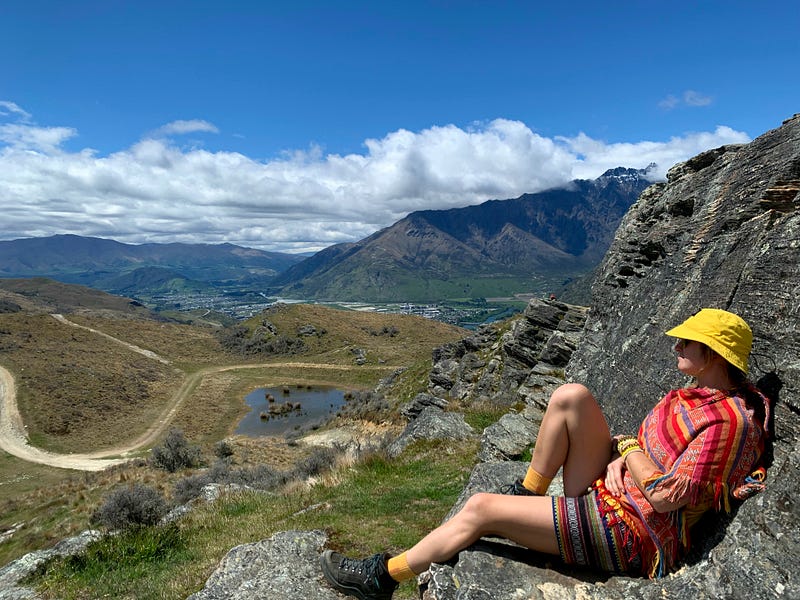
The wind was howling as we walked the last few steps leading to the top. I could barely feel the warmth of the sun due to the chill in the air but even that couldn’t take the smile off my face.
After hiking the Diamond Lake track up to Rocky Mountain the day before, we were keen on another mountainous adventure. We were heading for Queenstown to pick up the car we bought and decided to combine it with an adventure on the slopes.
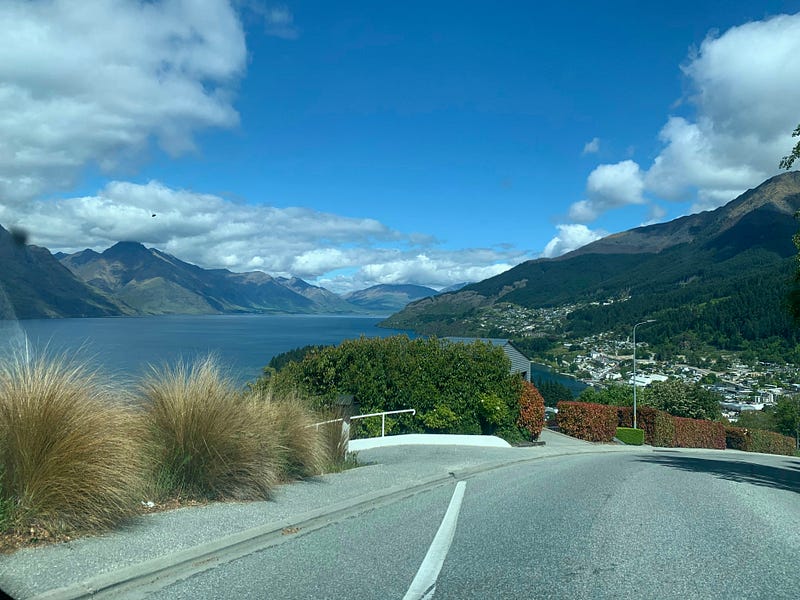
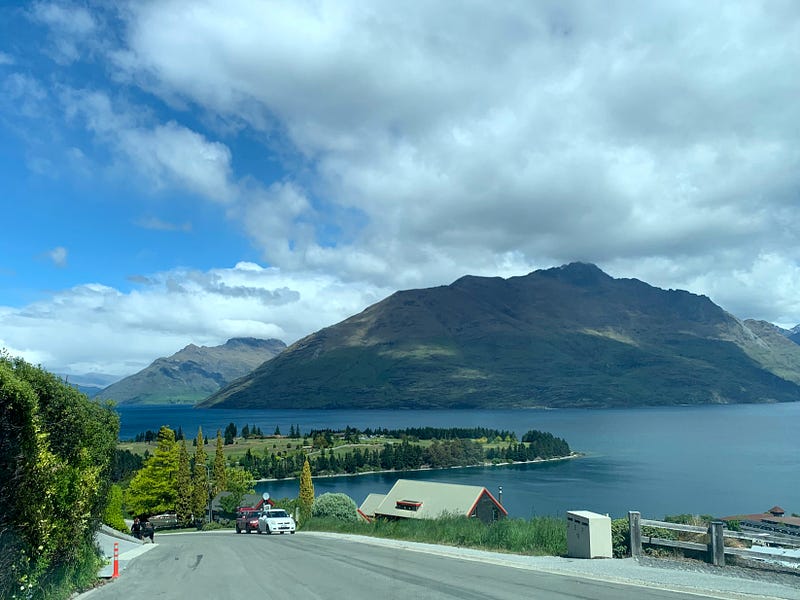
Driving our tiny but fuel-efficient Toyota Fitz along the hilly roads on the slopes above the city center, I almost forgot to give David instructions on where to drive as I was staring at the lake and the views beyond.
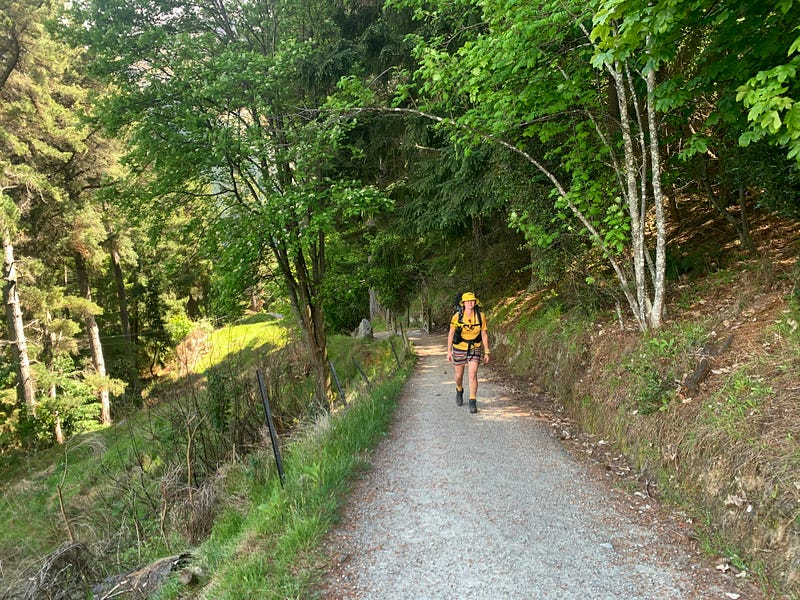
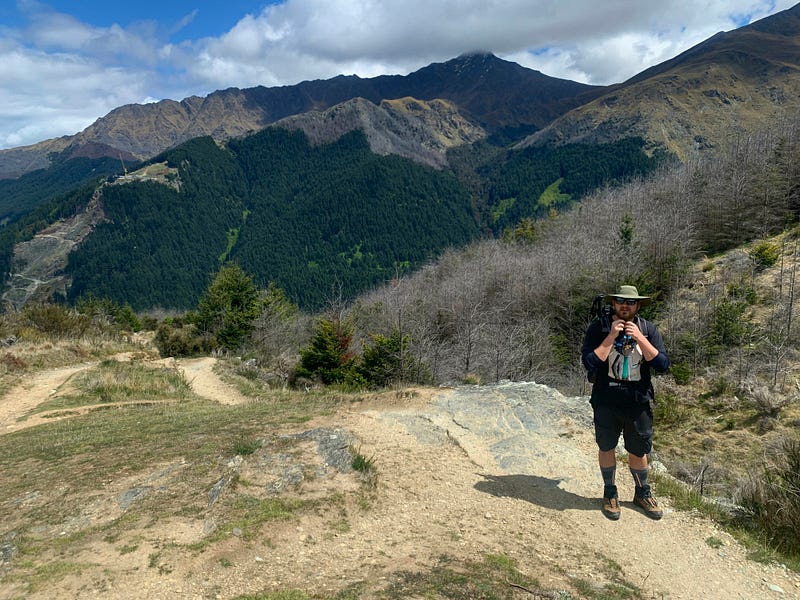
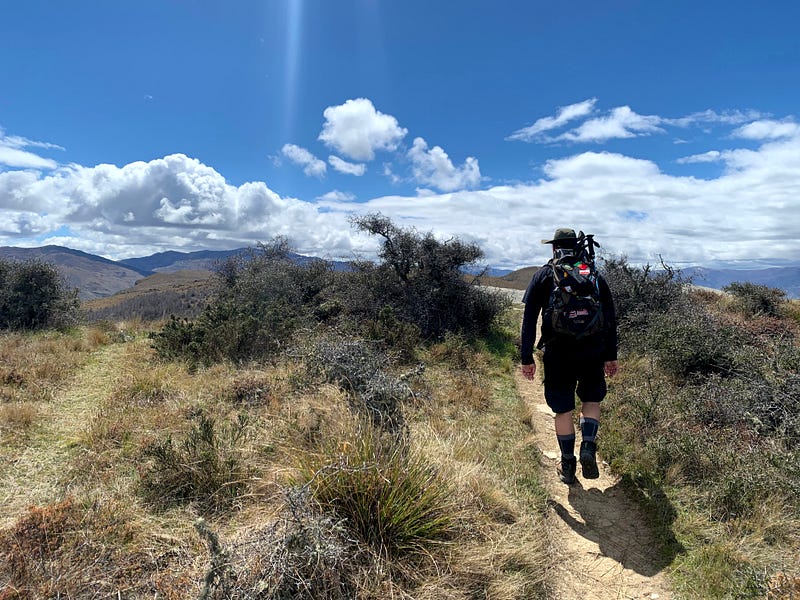
We stopped the car at the base of the hiking trail next to some campervans and other bigger vehicles. Tying our hiking boots and throwing on a hat for sun protection, we hit the trail.
Starting out rather steep but inside the forest, we listened to the songbirds chirping in the bushes while the wind was rustling in the treetops.
Soon we came upon a collection of rock piles also known as cairns or ‘stone balancing’. Growing up hiking in the Alps, I got to know these rock piles as trail markers in areas where it was easy to get lost.
Later I’d see such cairns in other countries and soon on every single hike I’d go on.
While rock stacking is possibly the oldest and most ancient form of art, like everything else in this era, it has gotten out of hand. Anything in proportion is accepted but these graveyards of balancing stones as I call them, have become an eye-sore across the world.
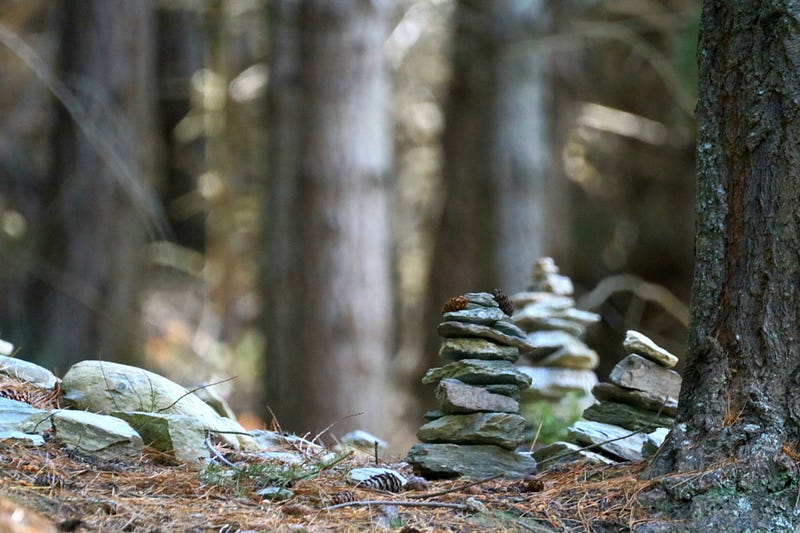
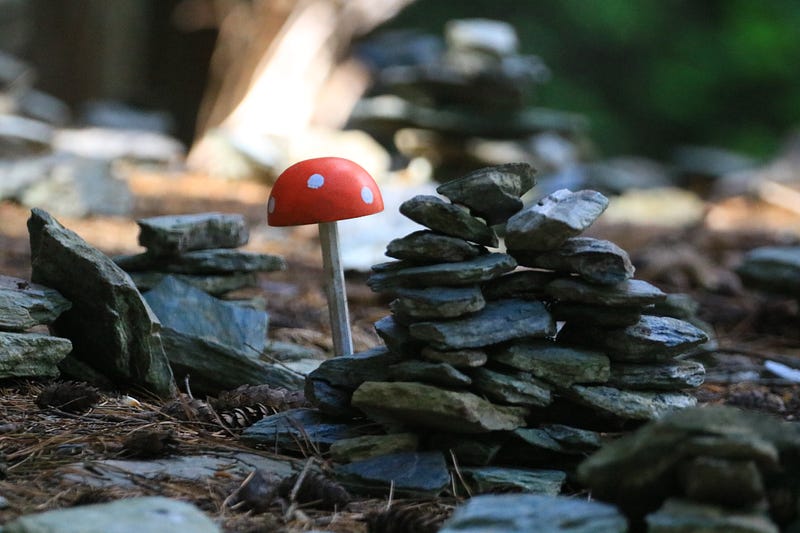
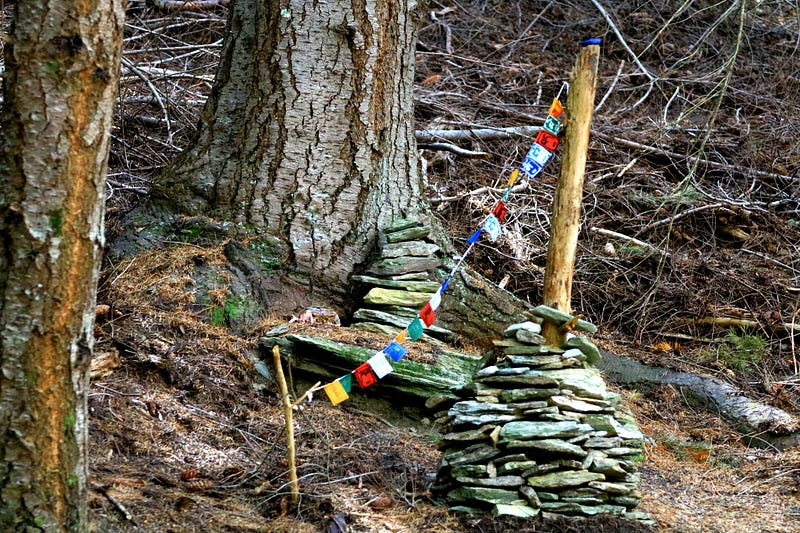
What is so bad about stacking a handful or rocks on top of each other you might think? Doesn’t it look pretty? And you’d probably say I’m some crazy green hippy pointing at bugs and insects living underneath those rocks you just picked up and destroyed their homes if not even themselves all along.
While such balanced rocks are being built in a process of meditation or a therapeutic activity at times and are still being used in many parks as trail markers there is more devastation and destruction behind those cairns in places where they shouldn’t be.
“Besides potentially confusing lost hikers, critics say rock-stacking can be culturally insensitive to past and present residents of the area. They also point to the cumulative effects disruptions can have on ecosystems underfoot.
On mountain trails, critics have said that when even a few stacked rocks fall, it can trigger cascades that could hurt unsuspecting hikers below. Even when they’re arranged to be completely safe, many nature photographers and other lovers of the outdoors simply say they’re an eyesore, distracting from the untouched environment.” — Graham Berry in Lonely Planet
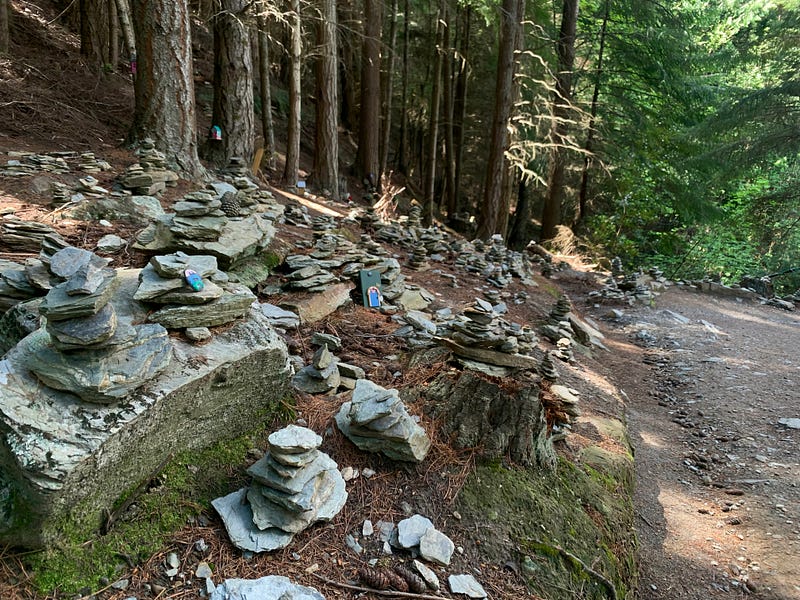
This doesn't mean to destroy any piles of rocks wherever you see them as they might have a purpose and reason why they stand where they are. But also don’t add to a landscape of cairns where already a hundred of them are standing.
Follow the ‘leave no trace’ rule whenever you are out in the wilderness, if camping, tramping or hiking as it isn’t so difficult to obey the most basic of all rules.
Lead by example.
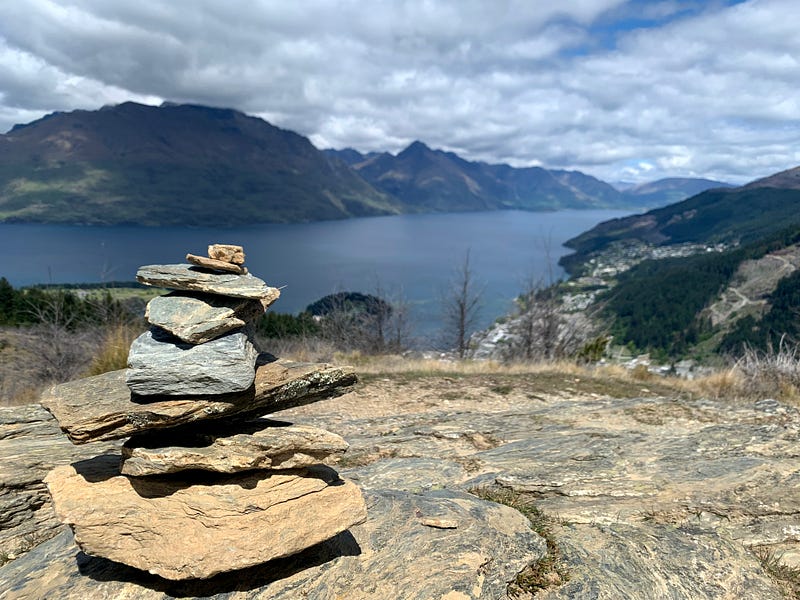
Back to my story. Where were we?
Somewhere on a mountain in New Zealand and I am going to the roots of another mystery I have been observing for days now. Remembering an article Tim wrote a few weeks ago, I needed to refresh my mind about what was happening with all these dying forests across the hills.
Those decaying woods were an eyesore to the usually lush green vegetation in the high country. Also called unwelcome ‘wildings’, these weed trees are the dark side of introduced plants.
There were lots of information boards on the hike toward the top first explaining about the region and its first settlers, the Māori, then going on about the flora and fauna this region once had and what is left of it.
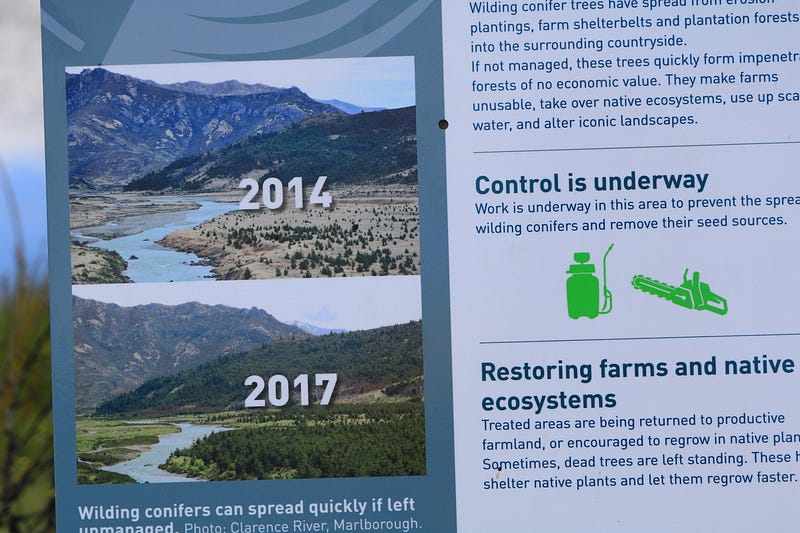
“Wildings are exotic trees that are fast growing and prolific producers of seed. They were first introduced with good intentions to shelter homes, protect livestock, prevent erosion and establish forestry. Sadly these wildings are now quickly spreading over the mountain slopes, smothering tussock grasslands and invading the beech forests.” — Queenstown Hill Walkway Boards
These conifer forests do give Queenstown and its surroundings a very alpine look reminiscent of other countries but these weed trees are replacing the ecologically diverse landscape of New Zealand.
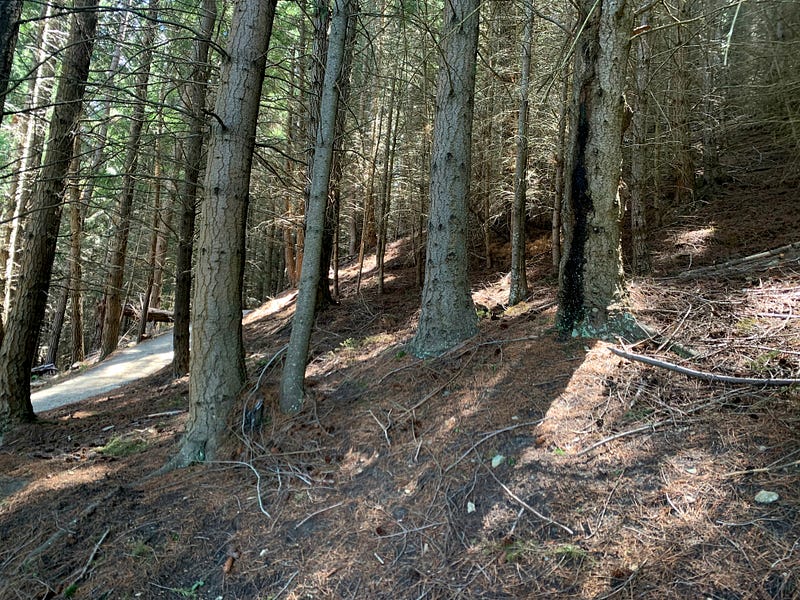
Hiking up in this conifer forest which was offering lots of shade but no sunshine or precipitation for any other vegetation below. Not a single blade of grass was growing on the forest floor. It made sense to me why these forests had to get removed which isn’t an easy feast once they had spread so far.
Apart from over-running the unique vistas and killing native plants, insects and birdlife, these single-dense forests cause enormous danger as they increase the intensity of wildfires.
Now coming back to the dead forests, the Wakatipu Wilding Control Group is working together with the government, communities, landowners and everyone involved to remove the threat from their hills.
With a combination of spraying, logging and hand cutting, they are slowly killing these trees. While it isn’t a pretty sight right now, these dead trees will slowly decompose into the soil. Encouraging anyone hiking up this trail to pull out any wildings, even visitors are invited to help stop the spread.
"This is unsightly at first but, return to these mountains in the future, you will find that the beech forest and golden tussock grasslands have prevailed. The area’s natural panoramas will be retained and the indigenous plants, insects and birds will be saved." — Wakatipu Wilding Control Group
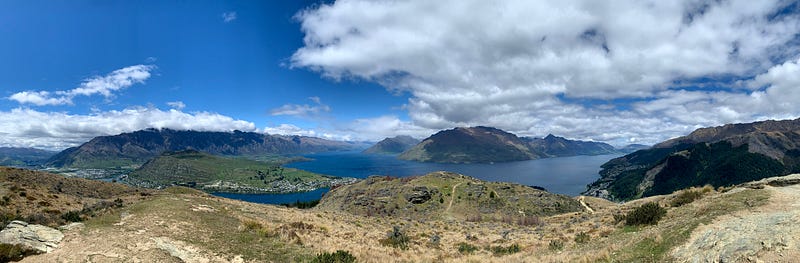
Reaching out above the dense conifer forest, we now were offered spectacular views that left me partly in thoughts on those wilding pines and if they’d ever be able to get rid of them again.
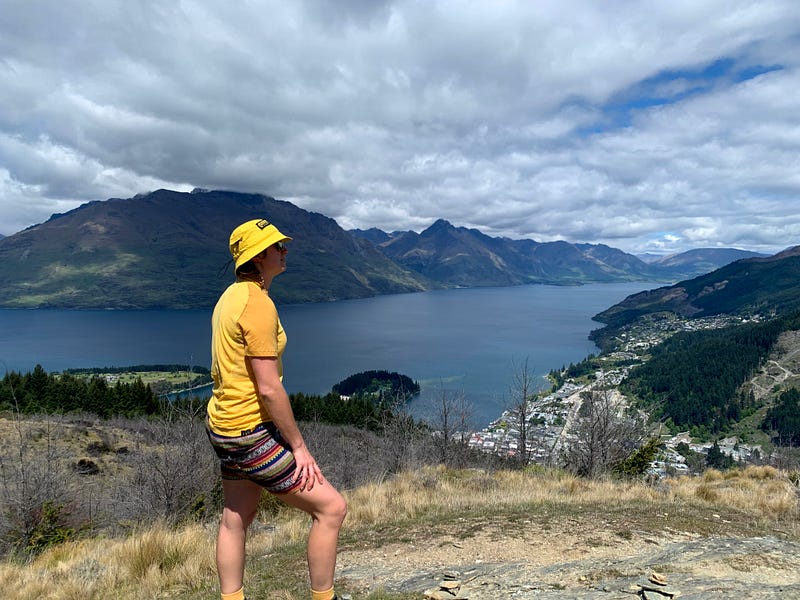
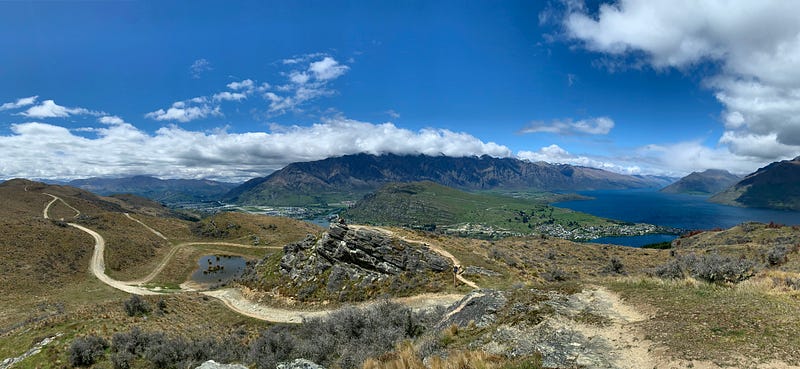
We hadn’t reached the peak yet but the view of the winding Lake Wakatipu was already breathtaking. The wind was picking up as we were now unprotected above the woods and quickly decided to move again.
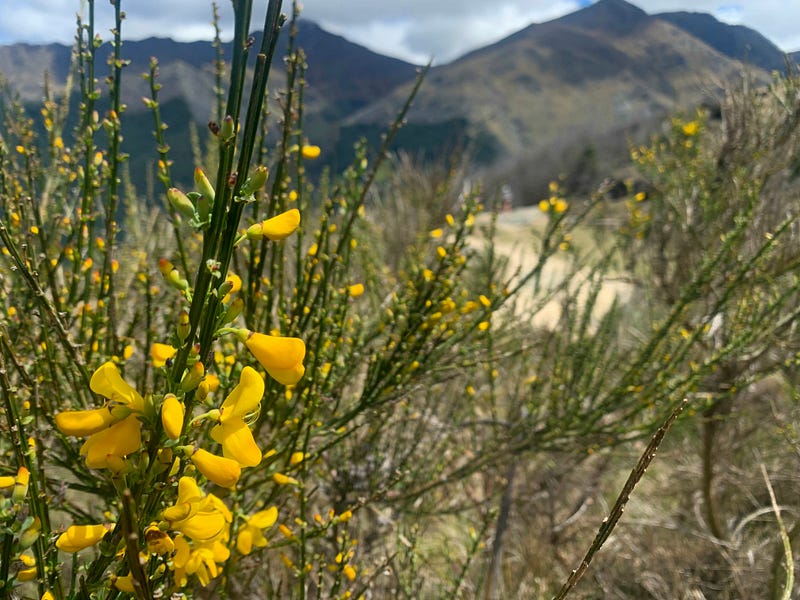
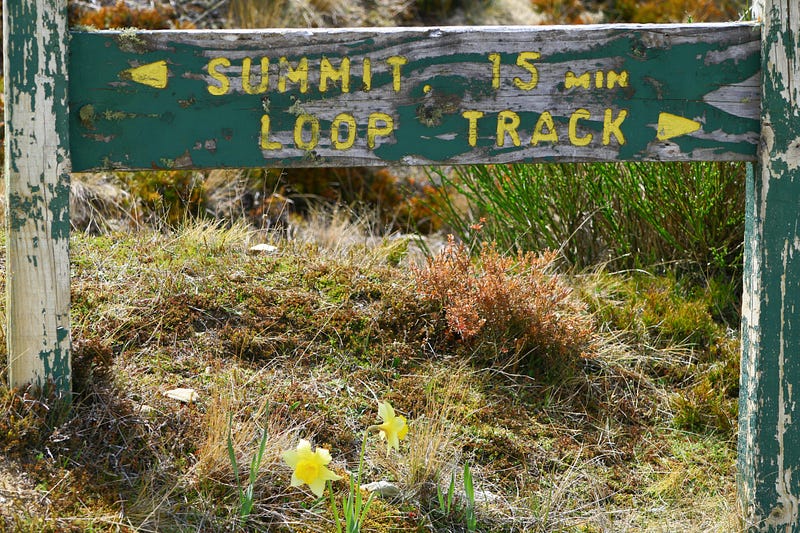
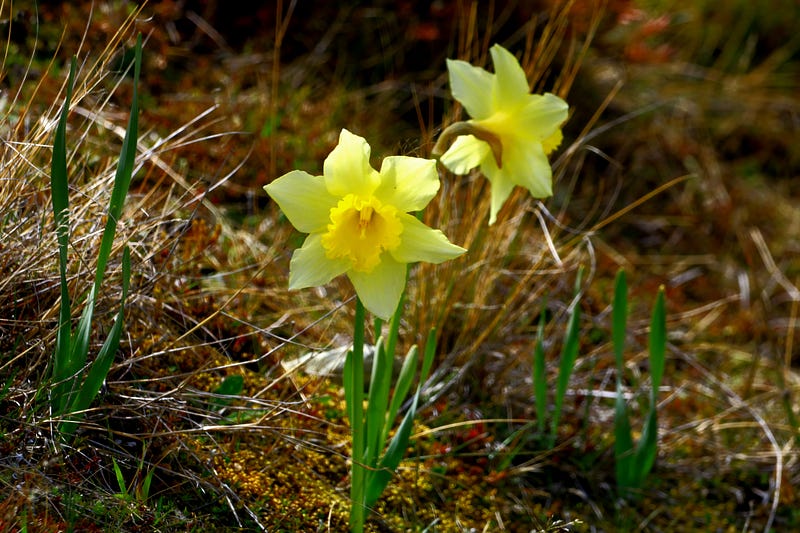
Just minutes before reaching the summit, I spotted another wilding. At least that was how I called it. These wild daffodils are certainly not native to the area but brought a smile to my face regardless.
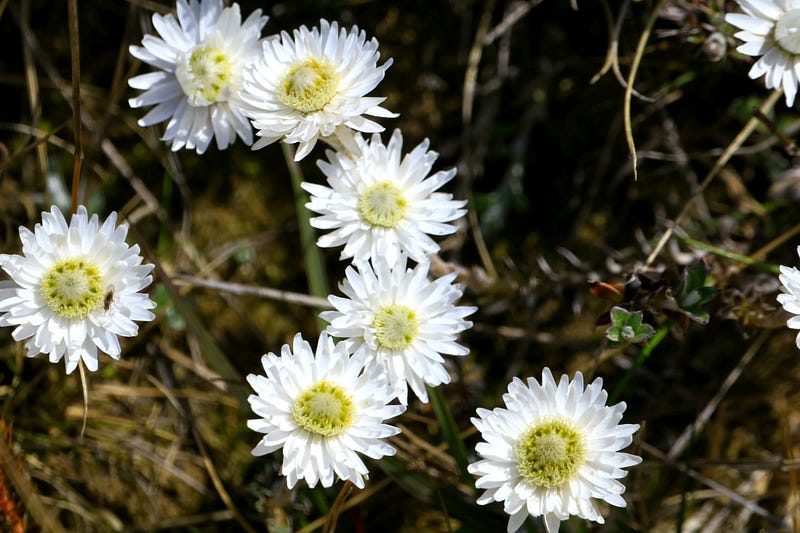
Few other bushes and flowers were blooming and I enjoyed these early signs of spring.
Reaching the plateau atop, a strong and chilly wind was blowing a gale up there forcing us to look for shelter. We didn’t intend on heading down immediately but wanted to take in those views for a little longer.
Having a clear view of the International Airport of Queenstown, we watched a few airliners touching down and taking off again next to numerous helicopters going for scenic flights.
Someone told me New Zealand was the country with the highest helicopter count per capita. I do believe that seeing the amount of scenic flights being offered all around the mountains.
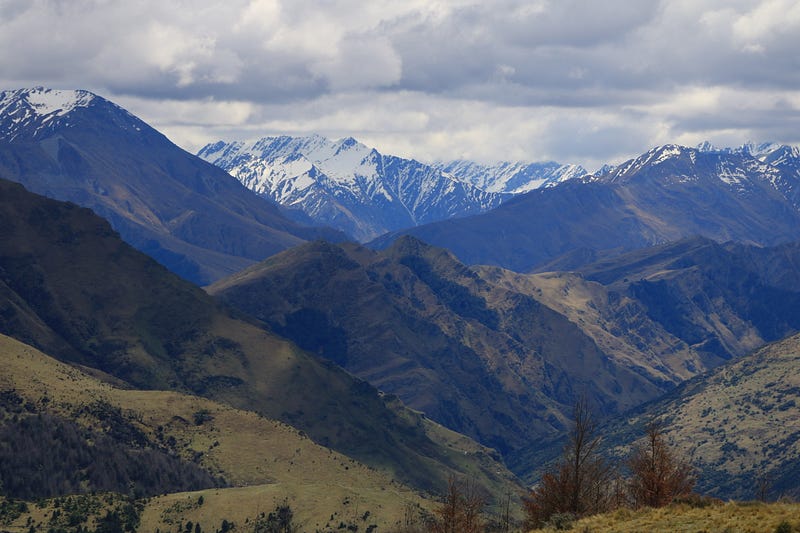
David found a beautiful spot where we were sitting on the rocks while being protected from the wind and still having a grand view of the snow-covered peaks of the southern Alps.
Once we finished our snacks and had enough rest, we got back up to head down the mountain. Now knowing more about the forest and its history, I found it shocking to see how nothing except for those wilding pines was growing on the forest floor.
Another great hike was coming to an end with us reaching the car parked in a spot with just another great view down under. We learned a lot, moved a bit, and soaked in some sunshine and wind.
Another great adventure in New Zealand.
If you’re interested in my New Zealand adventures, subscribe to my newsletter to stay updated or check in on my new list regularly.
Join my email list here if you would like to read more photo essays.
Shutterstock | Instagram | YouTube | Mailchimp | Amazon | Redbubble


