
Where does the Royal family’s money come from?
A look into the accounts of the British Royal Family
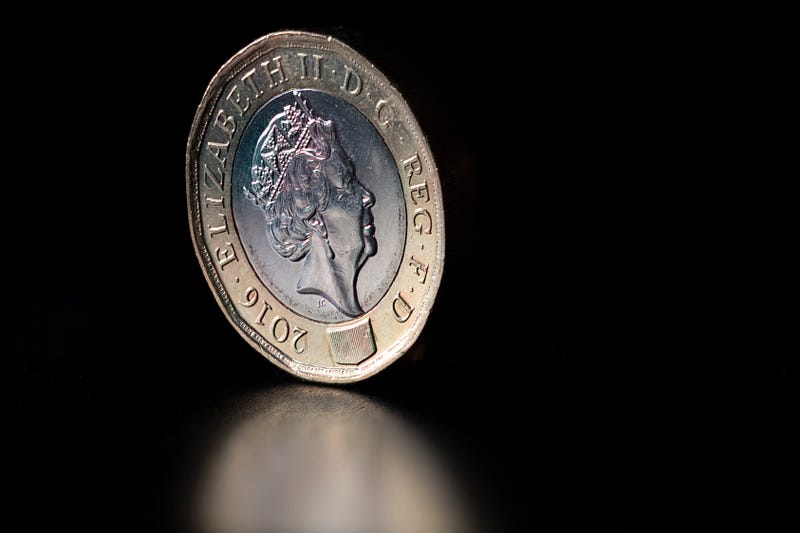
The Queen is often considered to be one of the richest women in the United Kingdom. Whilst estimates of her wealth actually leave her lower down the ‘Rich Lists’, it does raise an important question. Where does the Royal family get their money from? This article aims to shed some light on that question.
All sources are cited throughout and listed at the bottom of this article, in case you want to do any further digging!
Sovereign Grant
The Sovereign Grant is an amount of money supplied by the Government to the Royal Household to support The Queen’s official duties (Royal UK).
The Sovereign Grant is a new system of funding that came into effect on 1st April 2012, combining the Civil List and three grants-in-aid (for the maintenance of the Royal Palaces, Royal Travel and Communications, and Information, Royal UK). Funding for this grant “comes from a percentage of the profits of the Crown Estate revenue (initially set at 15%)” (Royal UK). Every five years the grant will be reviewed by the Royal Trustees (the Prime Minister, the Chancellor of the Exchequer, and the Keeper of the Privy Purse, Royal UK).
For the financial year 2020–21, the total Sovereign Grant amounted to £85.9m (Royal UK). This works out at £1.29 per person in the UK (Royal UK).
Privy Purse and Duchy of Lancaster
Income from the Duchy of Lancaster is used to meet official and private expenditures by the Queen (Royal UK). It is a portfolio of land, assets and property held in trust for the Sovereign in their role as Sovereign (Royal UK). The Duchy of Lancaster includes over 18,000 hectares of land, comprising of land in Lancashire and Yorkshire and central London properties (BBC). The Duchy of Lancaster made a profit of just over £22 million in the financial year ending March 2021 (Duchy of Lancaster).
According to Royal’s website, this money’s main purpose is to provide a source of independent income. It is mainly used to pay for expenditures not met by the Sovereign Grant and is henceforth primarily used for expenses incurred by other Royal family members (Royal UK).
Duchy of Cornwall
One of the oldest and largest estates in Britain, the Duchy of Cornwall includes around 54,521 hectares of land in 23 counties. The majority is found in South West England (Royal UK). The Duchy was created in 1337 by Edward III for his son, Prince Edward with the primary function of providing an income from its assets (Royal UK).
The Prince of Wales receives the annual net surplus of the Duchy. The Prince uses this to pay for public and charitable work as well as the private costs of his life and those of his wife (The Duchess of Cornwall) and his sons (Prince William and Harry, Royal UK). According to the Wall Street Journal, the amount paid to the Prince of Wales's sons was £5 million in 2019.
Personal Wealth and Income
The Queen has personal income from a personal investment portfolio and private estates. This income is used to meet private expenses (Royal UK). For example, the Queen owns the estates of Sandringham and Balmoral, which she inherited from her father (Royal UK).
Tax
The Queen pays tax voluntarily on the income from the Duchy of Lancaster and on her privately earned income, despite not being legally liable to do so (British Government). The Duchy of Cornwall is also tax-exempt however the Prince of Wales voluntarily pays income tax on his taxable income from it (Royal UK).
Misconceptions
Mistakes are often made when estimating the Queen’s wealth. The Official Royal Residences, the Crown Jewels, and the majority of the art in the Royal Collection are held by the Sovereign on behalf of the nation (Royal UK). This means they are not the Queen’s private property and must pass to her successor as Sovereign (Royal UK).
As shown in this article, there is no one source of income for the Royal family. Whilst money does come from the taxpayer, there are several streams making up the family’s income.


