
Science
Where Does Space Begin?
Your first clue is when your tongue sizzles
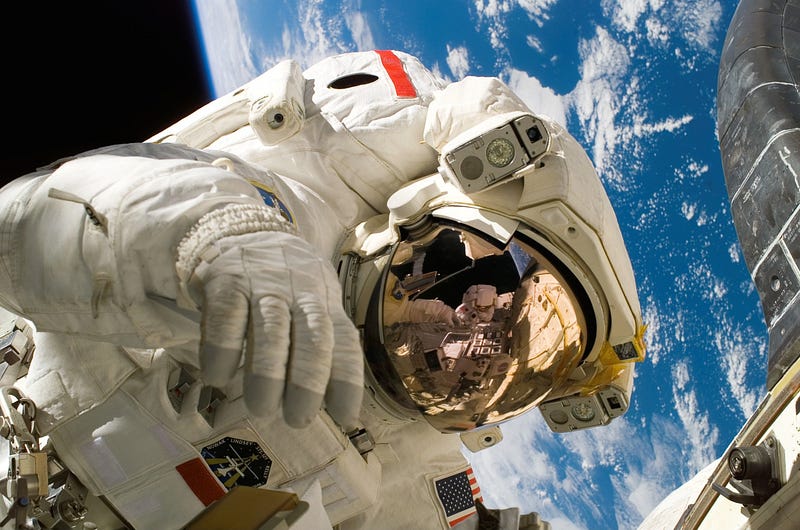
The demarcation of where space begins is important for defining vertical sovereignty. Each country owns the airspace within its borders. The recent downing of a Ryan Air commercial aircraft by Belarus has made airspace ownership abundantly clear. Passenger and cargo flights must now go around Belarus both for safety and political reasons. Belarus is a small country, 207,600 square kilometers, and routing flights around it is not too difficult. If it were Russia, it would be nearly impossible for some routes as it spans 11 time zones.

What about going over instead of around, how high up would you have to go to be in international space?
Virgin Galactic is looking to provide rocket-powered, point-to-point air travel. This travel would take advantage of low air resistance for high-speed travel and would most likely be in suborbital space based on their 2018 flight reaching 82.7 kilometers and the 2019 flight at 89.9 kilometers. These current altitudes are not high enough to be in international space, except by U.S. standards.
A country taking a commercial flight down will only have a few options. Force the plane down with intercepting jets, shoot the plane down with missiles, or spoof the pilots into landing by reporting a hazard of some sort. Belarus used this last option. In the case of space-based travel, none of these options would work. Jets cannot catch up to nor fly as high as rocket-powered craft, nearly all missiles have a very limited range of altitude, and lastly, a rocket-based arc cannot be diverted to land mid-flight. Virgin Galactic flights would be immune from bullying and danger from hostile flyover countries.
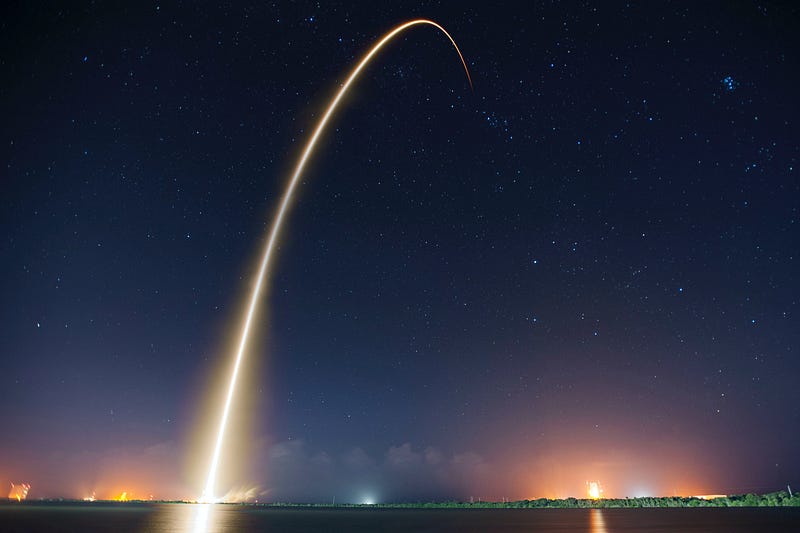
As was mentioned before, the U.S. has a different demarcation of where space begins. The Fédération Aéronautique Internationale (FAI) defines the demarcation using the Kármán line at an altitude of 100 kilometers (measured from average sea level). The US Air Force and NASA define the limit to be 50 miles (80 km) above sea level. There is no unifying international law on this measurement.
The Kármán line is named after the Hungarian American physicist Theodore von Kármán who calculated the altitude at which the atmosphere becomes too thin to support aeronautical flight. This was determined to be 83.6 km (51.9 miles) which supports the U.S. number.
Kármán proposed 100 km be the boundary to space because the round number would be more memorable and the calculated altitude varies depending on many factors.
As aircraft fly higher, the air becomes thinner until there is no longer enough air mass to generate lift. Speeding up increases the air mass under the wing but at some point, orbital velocity is achieved. At this point, if the speed is maintained the craft will orbit the Earth, if sped up the craft will go farther out into space.
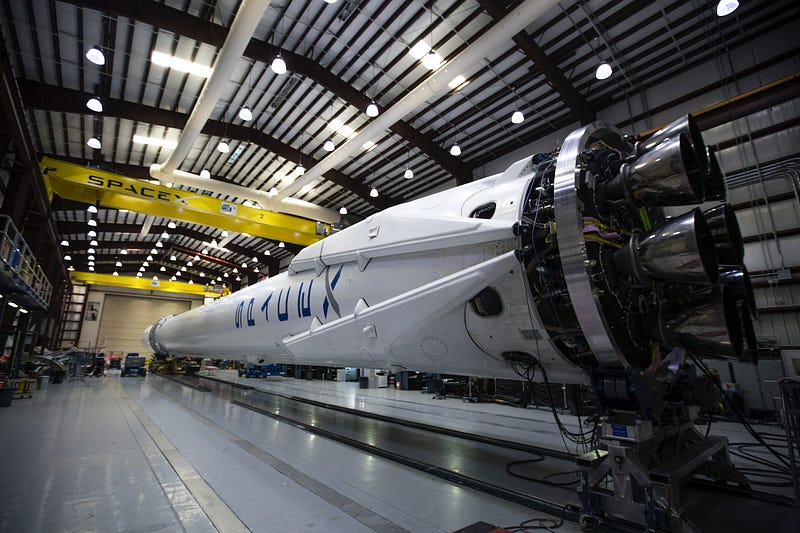
Getting to space requires some tricks to get the orbital or escape velocity needed. Above 42,000 feet the air is too thin for jet engines so commercial flights fly between 35,000 and 42,000 feet, just under 12 km or 8 miles. At 63,000 ft (18 km or 11 miles) you hit the Armstrong limit where atmospheric pressure is so low that water boils at the body temperature. Your saliva will not feel hot, but it will feel fizzy just before you pass out.
Within one to two minutes the lung’s moisture boils off and death quickly follows no matter how much oxygen is available. There is no risk of this in commercial aviation but it is fun to know while watching SciFi.