
Limerick
Where Did You Happen to Be
On that day in history
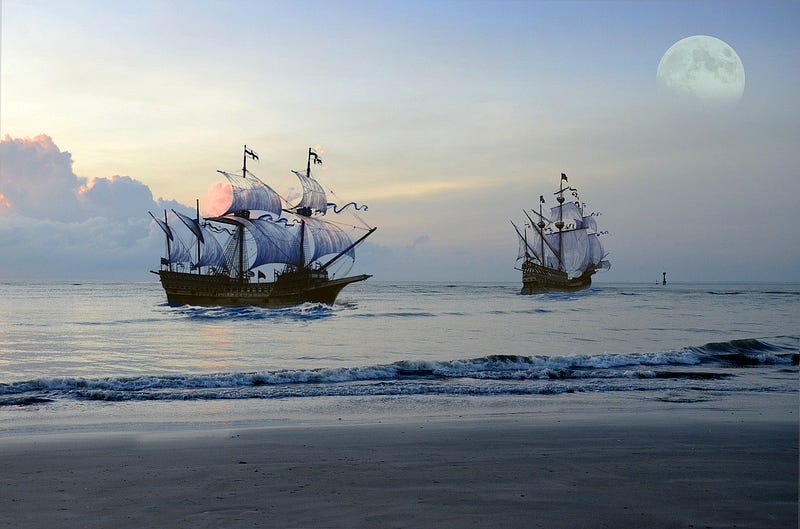
Was there a time when we were free When it was safe to be you and me We ran o’er the veld How sweet the air smelled Before the men came from the sea
Was there a time when we were free When it was safe to be you and me The forests our home In peace did we roam Before the men came from the sea
Was there a time when we were free When it was safe to be you and me Traveled the Silk Road Wealth in camels we showed Before the men came from the sea
Was there a time when we were free When it was safe to be you and me When we honored our gold Not something to be sold Before the men came from the sea
Was there a time when we were free When it was safe to be you and me Then our oral tradition Was sent to perdition When those learned men came from the sea
Often words alone cannot express what I seek. Then I let the music take me where I need to be. Please join me.
The Battle Is Over (But The War Goes On)
1973 song from my favorite blues duo, Sonny Terry and Brownie McGhee.
Sail Away
Randy Newman’s composition features on the same album but this 2008 live performance by Randy in London deserves a hearing.
In this song Newman describes the American dream of a promised land as it might have been presented to black Africa in slave running days, but also with the full knowledge of everything to follow.
Thank you to Marla Bishop for the Limerick prompt in this Ideastream:


