
Urban sprawl
Where Did All The Animals Go?
The coyotes are living in my backyard now
Last night, I woke up startled by what sounded like a pack of coyotes howling in my backyard. Hearing coyotes is nothing new since they are everywhere around here, but I had never heard them that close. I worried that I’d forgotten to close the dog door and that they’d get into the house.
After finding Abby and Jewels, our canine family members, in the bed next to me and the dog door shut tight, I thought about the poor animal the pack must have been after. Ten seconds after hearing the coyotes’ yelps of pursuit, things got quiet. Eerily, deadly quiet.
This morning, I walked outside with the girls to see if I could find any evidence of a fight. Sure enough, I saw fur scattered in the very back of the yard. I hoped the poor animal hadn’t suffered much. Abby whimpered a bit because it looked like one of her bunny friends had met with sudden death. In her own backyard.
I live in what used to be known as the boonies. We are surrounded by hills and trees with medium-sized houses on large lots. When we moved here, most of us grew avocados and assorted fruits in our backyards. Across the way, neighbors kept horses or chickens and worked small farms next to their homes.
I remember counting the cows in the pastures with my kids while driving them home from school. The cows are gone now and McMansions and four-story condominiums have taken their place.
All of the construction wreaks havoc on the wildlife. In the past few weeks, we’ve seen bobcats, coyotes, hawks, owls, and even a mountain lion in our neighborhood. They’ve come down out of the hills and away from their old homes in search of food and water.
Recent California legislation has made it easy to build additional homes on small properties. And, people are taking advantage of it. Just a few days ago, I learned that another neighbor intends to build a granny flat in his backyard, complete with a full kitchen, bathroom and small bedroom. No granny will live in it though. He plans to rent the structure, probably to students at one of the local universities, so he can make extra money.
Developers are razing homes in the city to put up apartment complexes and changing neighborhoods in the process. The City plans to allow multiple high-end homes on the land across from our creek in the next few years. Those houses will sit in a flood zone, but I’m sure there will be plenty of buyers with lots of money to buy high-priced home insurance.
All of this is happening while California asks its residents to cut back on electricity and water. During the past few years in my area, we’ve experienced rolling “brown-outs” and power-grid failures. We are currently expected to ration our water usage due to the ongoing drought. Yet, there are no plans to improve the infrastructure to support existing residents, much less new ones.
Actually, I lied. I am aware of a plan to build a solar array on hilly land next to an established neighborhood in my area. But, since the residents there oppose it based on aesthetics, it has yet to be built.
How will we support all the new people living in all the new homes? How will we educate children in already overcrowded schools? And, what about the animals? Where will they go if we continue to destroy their natural habitats?
I guess none of that matters as long as we bring in more property and sales tax revenue for the state.
In the last place I worked, developers proposed housing communities of dwelling units six inches apart, without garages. It was a small attempt at socially engineering people out of their cars and into mass transit. It didn’t work. Transit options never materialized, so traffic and parking became huge problems.
Yet, this type of housing is becoming the norm. Property and building costs have become so high, developers are keen on getting as many units as they are allowed per acre in order to make money. The result is more people, traffic, and greater demand for water and power.
And, the state seems hell bent on increasing its population. SB 9 and SB 10 are designed to streamline the housing process and allow for more units to address the state’s housing crisis. Also, our governor recently invited Florida residents to come live in California. I have no idea where he intends to put them.
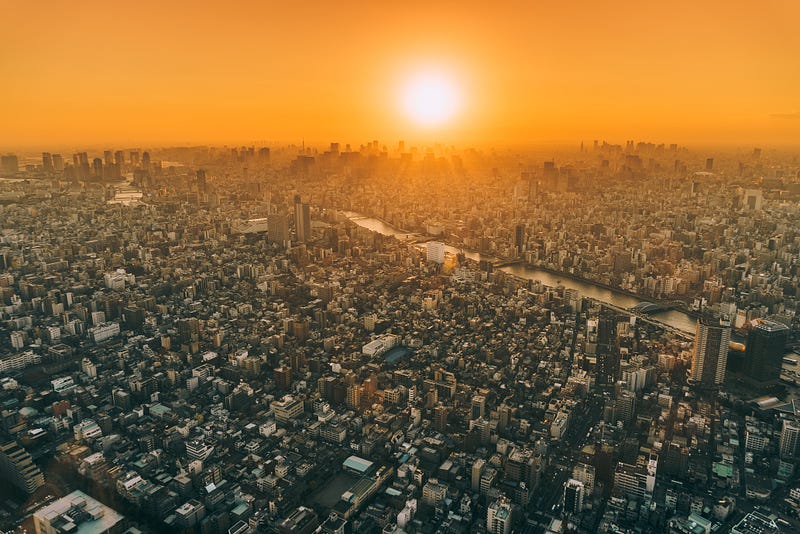
Most Californians will admit that it’s getting harder to live here. If I were a young person today, I’d avoid this state like the plague. It’s not just the high cost of living either. Traffic is insane, resources have become scarce and the place is beginning to look like a concrete jungle.
I recognize that I’m a relic. I lived in the area before the city built some of the roads. I came here for the rural lifestyle and thought it would never change. Silly me.
Life must go on, I suppose. If this is what California wants, and people keep voting for it, I guess it’s time for me to leave. As soon as my kids are finished with school and my husband retires, we will act like the animals here and migrate away to another state where we can live more affordably with less stress.
I wish I could take the local animals with me though. They don’t deserve what’s happening to them.
I don’t have the answers, but I will say this — using political weapons to get your way isn’t the appropriate way to do it. Getting around environmental concerns will not help.