
When Your Weight is a Risk Factor
Drastic times call for extreme measures
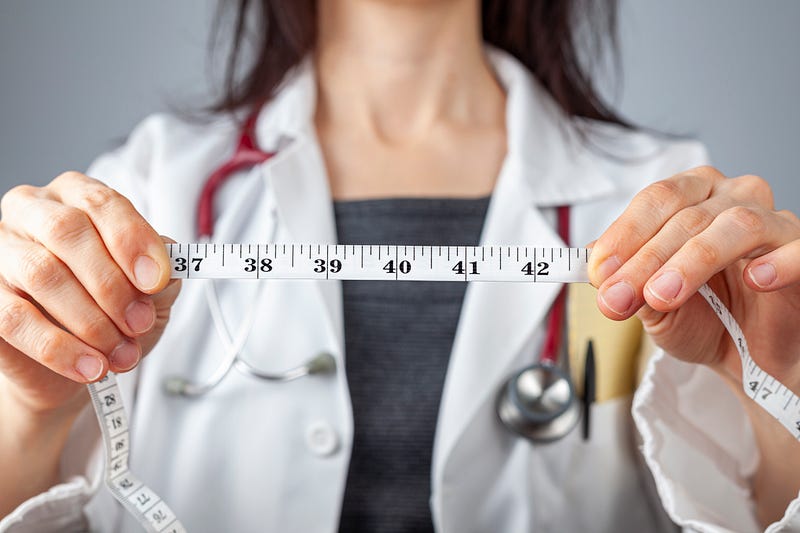
I was a runner before it was cool to be a runner. And I never really appreciated it. Through the end of high school, I never had to worry about my weight. And I didn’t appreciate that either. I had no clue that weight would become a life-long struggle for me.
As an Associate Professional Clinical Counselor, I try to help people with their self-image. But, I am also a human being who is affected by fat stigma. I know there is a fat positivity movement, and there are people who look healthy and happy with extra weight. I admire these people, and at times I wish I could be like them.
For me, the problem is that my mind still thinks I am an athlete. I’ve tried to eat right and work off the weight, but I always gain it back and keep gaining.
I feel that obesity is a severe health issue. I used to think that everyone had control over their weight. But, as I’ve gotten older and heavier, I realize that it isn’t that simple.
During college, I put on weight, but I lost it quickly in time for my wedding. After getting married, I steadily gained weight. After my second daughter was born, I was the heaviest I’ve ever been.
I joined Weight Watchers and was able to hit my goal weight. I was pleased about this and maintained the weight loss. Then September 11th happened, and suddenly I no longer cared.
Over the years, I tried many different weight loss and exercise plans. Then, I tried running again and ended up with what I thought was chronic back pain.
After years of living with the pain, I was diagnosed with osteoarthritis in my left hip. At 38, I had a total hip replacement. The surgery eliminated the pain but prevented me from ever running again.
A few years later, Patrick and the girls got me a mountain bike for Mother’s Day. I started riding it, and I loved it! I was feeling healthier and losing weight.
My brother suggested I do Team in Training with the Leukemia & Lymphoma Society. Before I knew it, I was training for a Century Bike Ride. I bought a road bike, completed my ride, and signed up to do it again.
While training for my next ride, I began having unusual symptoms and was diagnosed with Graves’ disease, a form of hyperthyroidism. I was also doing Weight Watchers and had phenomenal weight loss, a side effect of Graves Disease.
Unfortunately, I had other, less pleasant symptoms. As a result, I eventually went through radioactive iodine treatment to essentially kill my thyroid and require me to take thyroid hormone for the rest of my life.
Eventually, I decided that cycling was not helping my weight loss. When I rode 50 miles, I felt like I should be able to eat anything. Unfortunately, my body held onto all of that extra food!
Several years later, I began daily walks with my friend Cathy. I had protein shakes for two meals and ate sensibly. As a result, I lost 50 lbs, and although still above my goal weight, I felt healthy and comfortable in my body.
I lost momentum when I began experiencing health issues that led to a total hysterectomy. After that, I never regained the momentum, and I gained most of the weight back.
In April 2016, Patrick was hit and killed while on an early morning bike ride. For a week or so, I lost my appetite for the first time in my life. Then I returned to food as comfort. I was mourning, and I hated my body.
My friend Linda joined a gym and was losing weight and looking great. So I joined too, and I loved the high-intensity interval training and kickboxing. I felt great, and I thought I had finally found the perfect exercise routine.
When I turned 50, I felt great. I may have celebrated a bit too much, or maybe I’m just a klutz! At the end of the night, I slipped while walking down the stairs and broke my ankle!
I could have gone to the gym and done a modified workout while I recuperated. The problem is, I only function at zero or 100 percent! I’m a perfectionist, and I’m an emotional eater. Of course, I am working on this in counseling, but it’s a long process.
I never got back into a routine. Instead, I fell in love, moved to a new house, started a new career, and got married. I wasn’t thrilled with my weight, but overall I was very happy, and the weight was not a priority.
Four months after our wedding, the pandemic hit. I was less active and under stress. And I was at my heaviest ever!
Right before the pandemic, I had a check-up with my primary doctor. We had, of course, discussed my weight over the years. She had prescribed medication to help with weight loss, but it was not helpful.
That day, she walked in, and I immediately suspected she had weight loss surgery. However, I didn’t have to ask about it. Instead, she told me about her decision process and her research before undergoing sleeve gastrectomy.
I love my doctor, and I trust her completely. I had never seriously considered weight loss surgery because Patrick was opposed to it. After talking to her, I contacted our local weight surgery specialists and began the process.
The pandemic slowed down the process, but it also gave me an increased sense of urgency. As a middle-aged, morbidly obese woman, I was at a high risk of serious illness if I contracted Covid. In addition, my children have lost one parent, and I don’t want them to also lose their mother!
As the pandemic progressed, I gained another 25 pounds and became acutely aware of the limitations caused by my weight. I am easily fatigued by even small amounts of activity. I have difficulty tying my shoes. I avoid sitting on the floor because it is tough to get up. I even have trouble reaching certain parts of my body for hygiene! I am probably pre-diabetic, and I have a fatty liver. I have sleep apnea, and I use a CPAP machine.
I always believed I would never “allow” myself to get to this point. However, being overweight has been a humbling experience.
I know that weight loss surgery is not a fix. I consider it a tool, and I am confident that I will use it effectively. Overeating will be painful. I know people who have had weight loss surgery, and I understand I will feel full after small amounts of food. However, losing weight will make exercise easier.
I look forward to resuming walking and getting back on my bike.
My surgery isn’t solely about not being fat. I genuinely believe that obesity could shorten my life span. My quality of life has decreased. I want more time with my kids and my husband. Someday I want to be able to keep up with grandbabies!
And I don’t want to get covid. So I’ve been vaccinated, and I follow safety protocols. But I know I am at risk.
Tomorrow is the beginning of a new journey. I am scheduled for a sleeve gastrectomy, and I am prepared for a new way of eating. I know it won’t be an easy path, but I feel it will save my life! I look forward to updating you on my progress.
If you enjoyed this story please consider subscribing to Medium, it’s less than five dollars and I will receive a portion of the cost.


