
When You Wish Upon a Star…
Makes no difference who you are — sometimes, your dreams come true.

Games of Chance vs. Games of Skill
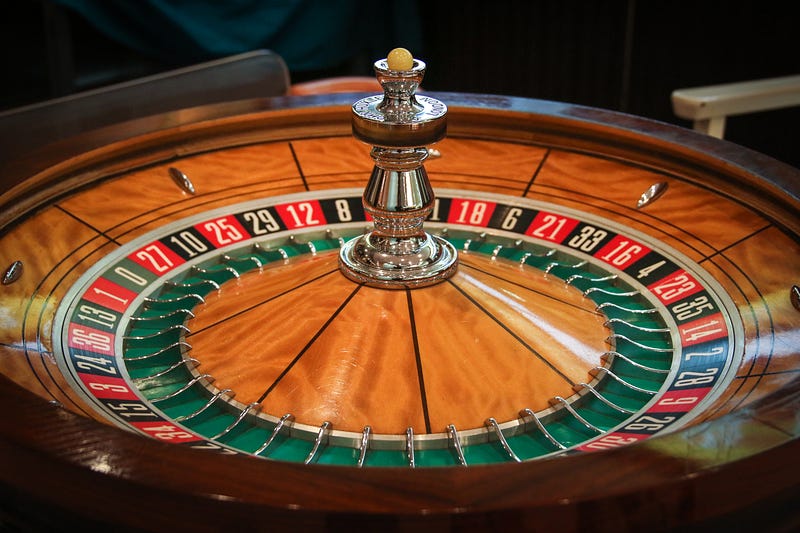
“I’ve been down on my luck a while, now,” I thought to myself, with a smile. I put my last five dollar chip on the black square, reasoning that the little plastic ball would surely have to drop into a black pocket, after a string of seven reds.
Green. The color of money. For the casino, but not for me.
This is the gambler’s fallacy: the notion that somehow, because a thing has not happened much, in the past, it’s “due” to happen, and more likely to happen, now. Or vice versa —
As I raked in my winnings, a little voice at the back of my head urged me to stop. To cash out. Or at least to bet more cautiously on the next roll of the dice. This is when your luck runs out, it whispered.
I shouldn’t have listened. If only I had bet it all, I’d have enough right now to buy that Ferrari. Next time.
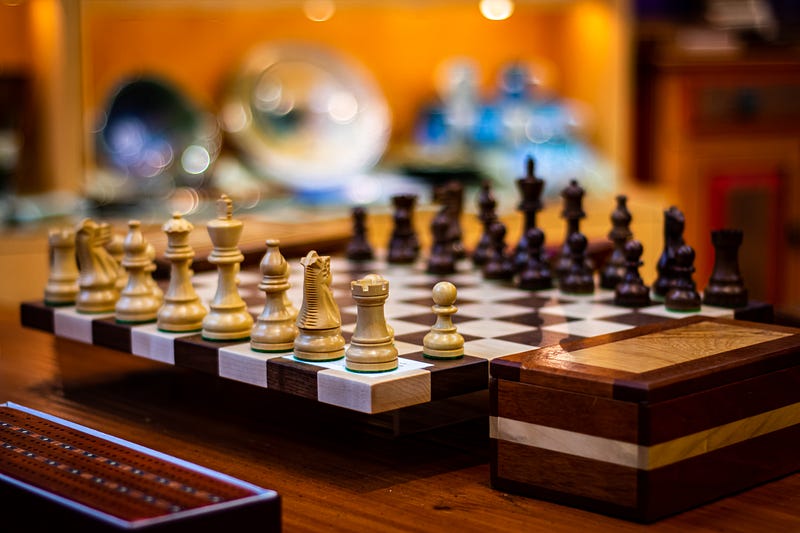
My son dislikes games of chance. He prefers Chess to Backgammon. The former depends on skill and concentration; the latter has too great an element of chance. Statistical probability can be calculated, but any single roll of the dice is too…dicey.
Even so, the world around us is full of positive and negative probabilities. Good luck and bad luck, depending on your perspective. The hunter’s bad luck is the deer’s good fortune.
Some of us are more comfortable, less anxious, the more variables we control. We like to “make our own luck,” or at least influence it, by removing as much random chance from the equation as we can.
Others are happy to trust in a benign universe, to “go with the flow,” to believe that good luck is on their side. They do not fall for the gambler’s fallacy. There is no shortage of good luck and no reason to believe that their “lucky streak” will end, just because they’ve had too much of it.
This, too, can be fun — to be too controlling is also to risk missing out on new experiences. If the idea of being open to chance causes anxiety, ask yourself, “What’s the absolute worse thing that could happen if I fail at this? Could I die? Could anyone else die?” Then weigh that “worst case scenario” against all the positive benefits of letting go and being open to a new adventure. Which do you value more?
Risk Averse, or Just Weighing Our Values?
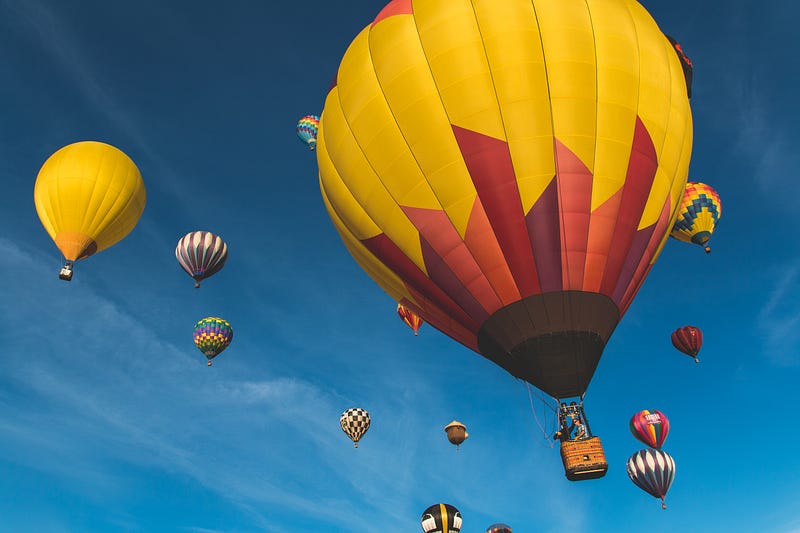
My mother once toyed with the idea of becoming a hot-air balloon pilot. She was utterly thrilled by her first ride in a hot-air balloon, and was probably still high on that experience when she mentioned this idea. After mulling it over, with her feet firmly planted on the ground, she decided against it — making the mistake of saying, in front of me, that I was “too young to be left motherless.”
Don’t get me wrong: I loved my mom, and she was my best friend. But I was twelve at the time, and full of raging hormones. I did not feel “too young to be left motherless.” Quite the contrary, some days. I resented her decision, for years, because I did not want to be her excuse for giving up on her dreams.
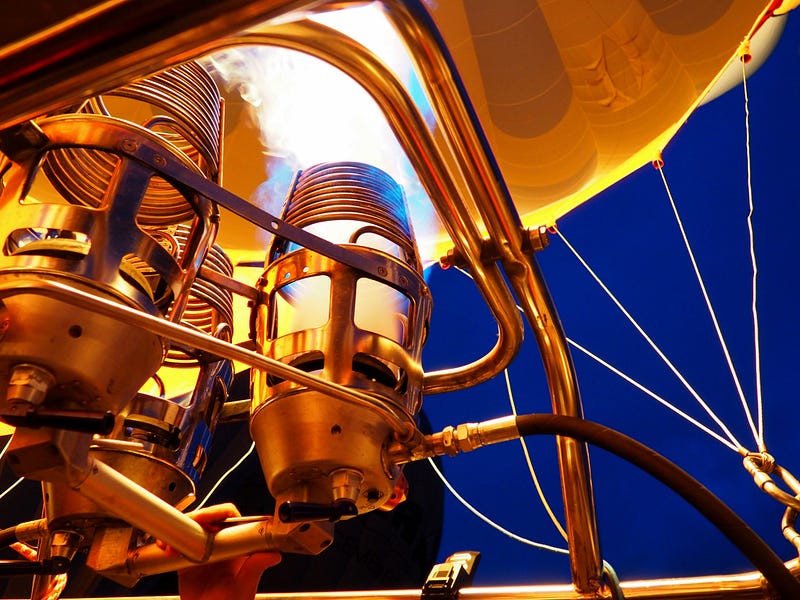
It didn’t help much that she and I took a hot-air balloon ride together, when I was seventeen, and I felt that exhilaration for myself. How could she not want to fly a balloon? I felt like such a burden, still sure she had chosen duty over passion. As we came in for the landing — too fast, with the basket dragging, bumpity-bumpity, across the field on its side as we hung on for dear life, our pilot hitting that 20 million BTU burner at the last minute to hop us over a busy road — I also understood that there were very real risks. Even steering is partly chance, catching the right air current at the right height. My mom was always torn between her love of adventure and her need to control the variables.
But when I held my daughter in my arms for the first time, it finally hit me: My mother had weighed that “worst case scenario,” not against crashing and dying and leaving me motherless, but against her not getting to watch me grow up. It wasn’t as selfless or sacrificial as it seemed.
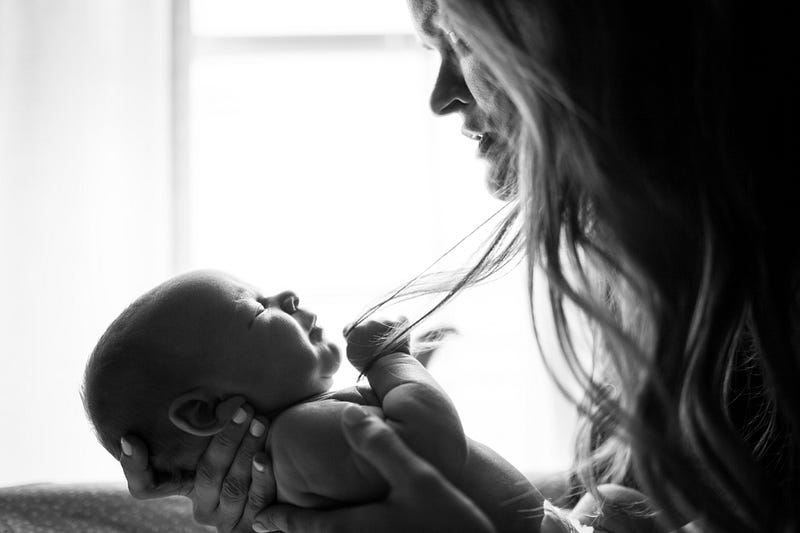
Looking into my child’s eyes, there were suddenly a whole host of “adventures” I could happily live my life without. My greatest adventure was right there, looking back at me. I called Mom to tell her my epiphany. “Well of course,” she said, laughing. “I thought you knew that.”
Wish Me Luck!
I hesitate to wish people good luck when it comes to anything but random chance, like winning the lottery. Even with the lottery, you can greatly increase your “luck” by buying a ticket. I guarantee you won’t win, if you don’t.
But to wish someone “luck,” when they’ve put in real effort and removed most of the variables standing between them and success, seems demeaning. As if their reward still mostly depends on random chance. “Good luck getting an A in that class you studied so hard for!” or “Good luck landing that job you’ve been training for half your life!” No, I wish them success. I have faith in them.
Maybe another student worked a bit harder and the professor graded on a curve — too bad for that B, now work a bit harder next time. Maybe another candidate showed up with exactly the skill set the employer was looking for — well, good for the employer, they found the best person for the job. Maybe there’s a better fit at the next place you apply.
Lucky Charms, Magically Delicious
Some people have a talisman, or “lucky charm.” Someone once gave me a “lucky rabbit’s foot,” but even as a child, I knew it wasn’t lucky for the rabbit. Poor critter lost a foot and still never got to taste Trix cereal.

I have several charms from Turkey to ward off the “evil eye” — but the one I bought for myself, in Istanbul, is nothing but a trinket. The one my grandmother gave me as a souvenir of her trip, there, feels protective. Not because it’s a charm to “ward off the evil eye,” but because she bought it for me, knowing that’s what it was meant to do. Infused with her love and positive good wishes, it feels protective.
That’s not luck. It’s just a reminder.
For the humanist, perhaps it’s the belief that there are more good people in the world than bad; for the religious, it’s faith in God’s love. There is still random chance in the world, but it is easier to bear if we remember that the deck is not stacked against us, and the odds are ever in our favor.


