avatarJonathan Isbill MS, RD, LD

Free AI web copilot to create summaries, insights and extended knowledge, download it at here

2463

Abstract

h day?</b></p><p id="4a89">Some common examples include:</p><ul><li>Going for a nature walk.</li><li>Meditating.</li><li>Doing yoga.</li><li>Focusing on breathwork.</li><li>Listening to nature sounds.</li><li>Spending time outdoors or with views of nature.</li><li>Climbing stairs or walking the halls.</li><li>Trying tai chi.</li><li>Embracing spirituality.</li></ul><p id="c965">Maybe you need something less quiet and would prefer a walk in the park to listen to the birds or take a stroll by the water.</p><p id="ec69">Whatever you choose, take this time for you, to recharge, reconnect, recalibrate, and nourish yourself from the inside out.</p><p id="ea83">Also, I’ve been talking to more and more people about headaches and migraines lately. One secret potentially underlying cause can be connected to our vision and straining the very tiny muscles and blood vessels in the eyes. When we live life with screens all day everyday, it is very challenging for our eyes to stay well.</p><p id="4776">Our eyes have never seen so many things so fast and so close in all of human history. Our genetic memory and biological design are unequivocally mismatched compared to the tasks we ask ourselves to accomplish on a daily basis.</p><ul><li>Sit still.</li><li>Don’t move.</li><li>Stay indoors.</li><li>Breathe dusty air.</li><li>Never go outdoors.</li><li>Drink contaminated water.</li><li>Do not involve yourself with nature.</li><li>Never expose yourself to the elements.</li><li>Avoid sunshine at all costs, but stare at a screen all day instead.</li></ul><p id="82d0">All of these expectations are biologically incongruent with what our bodies and brains need and crave. A couple simple techniques you can use to help reduce screen time and eye strain for your health is to practice The Pomodoro Method. This technique is <b>a time management method based on 25-minute stretches of focused work broken by five-minute breaks</b>. Longer breaks, typically 15 to 30 minutes, are taken after four consecutive work intervals. Each work interval is called a pomodoro.</p><p id="7803">Additionally, you can take that break time to practice breathwork and reset your nervous system. I also like to recommend people to train their optical vision by looking at an object 2 feet away, then find an object 10 feet away, and then focus your vision on an object 20 feet away and beyond (if you can).</p><p id="82dd">I like to use this tip to support eye health and reduce eye

Options

strain for those of us who use screens on a daily basis for work and recreation. If you have a window nearby, you can also look out as far as you can see and just breeeeathe. Allowing our eyes to look into farther distances helps to calm the nervous system and has the potential to send the brain signals of safety, security, and tranquility.</p><p id="cb6a">Our opportunity for real health requires not just our participation but our full and earnest ownership over our health. <i>After all, this is our life for the making and our health for the taking. </i>In all that you do and all that you experience, remember you don’t have to suffer. You don’t need to give up. There’s always more you can do to improve your health and wellbeing.</p><p id="de78">If we are products of our environment, <a href="https://open.substack.com/pub/jonathanisbillrd/p/better-systems-better-outcomes?r=3su6u&amp;utm_campaign=post&amp;utm_medium=web&amp;showWelcomeOnShare=true">then we need better systems</a> to support our environment…</p><div id="7b28" class="link-block"> <a href="https://readmedium.com/better-systems-lead-to-better-outcomes-340fce8ea6ae"> <div> <div> <h2>Better Systems Lead to Better Outcomes</h2> <div><h3>We live or die by the systems we use.</h3></div> <div><p>medium.com</p></div> </div> <div> <div style="background-image: url(https://miro.readmedium.com/v2/resize:fit:320/0*HsOy4F4OVDfl8z45)"></div> </div> </div> </a> </div><p id="b6f8">If you need help in your journey, <a href="https://calendly.com/jonathanzaza/30?back=1&amp;month=2024-01">you know where to find me.</a></p><p id="da60">You can follow more of my writing below:</p><div id="00bb" class="link-block"> <a href="https://jonathanisbillrd.substack.com/"> <div> <div> <h2>ZigZag Nutrition</h2> <div><h3>Connecting the dots in Holistic & Integrative Health to empower us to grow in a healthier direction with a more…</h3></div> <div><p>jonathanisbillrd.substack.com</p></div> </div> <div> <div style="background-image: url(https://miro.readmedium.com/v2/resize:fit:320/0*krjCroXRQQ4p1AcG)"></div> </div> </div> </a> </div></article></body>

When You Need to Take a Break

Healing happens when you pay attention with intention to what your body needs most. Everybody needs time for proper recovery.

In the age of mental health awareness, it has become ever more important to know how to rest, relax, recover, and rejuvenate. Some of the latest statistics about our lives well-being are quite staggering.
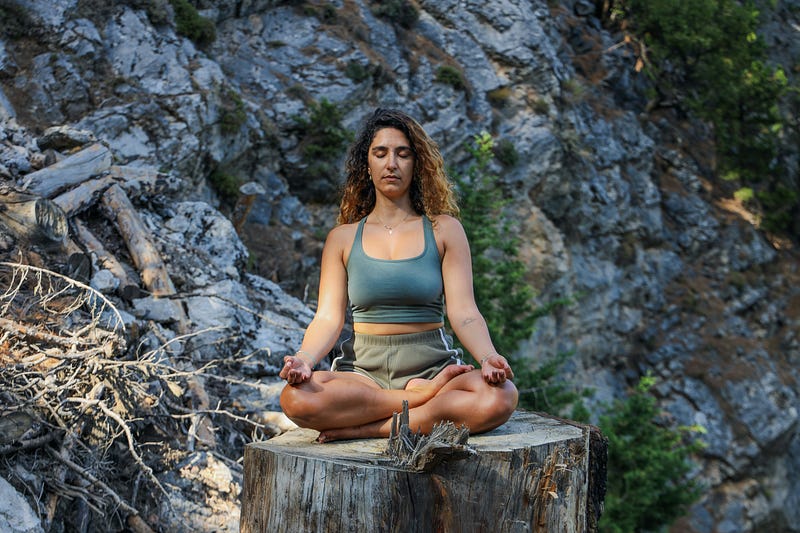
Photo by Mor Shani on Unsplash

Workplace stress costs the US economy an average of $300 billion per year.

89% of Americans have suffered from burnout within the past year.

83% of Americans deal with work-related stress.

79% of workers have experienced work-related stress in the past month.

76% of remote workers say workplace stress affects their mental health.

70% of professionals feel that employers aren’t doing enough to prevent and alleviate burnout.

67% of workers report that stress and burnout at work have increased since the pandemic.

The burnout rate is 59% as of 2022, which is up 13.5% from 2021.

44% of employees experience physical fatigue from work-related stress.

40% of workers have left their jobs due to burnout.

Three in five employees report negative impacts of work-related stress. Today, I’m going to walk us through some of the many ways we can take a mindfulness break and why it matters.

Let’s Dive In!

When you need to take a break, choose wisely. Find out what nourishes your mind, body, and spirit.

We all need breaks from workplace hustle, bustle, and stress. We all need breaks from our many screens and time feeling “on.”

Taking intentional activity breaks throughout the day can improve mood and energy, enhance creativity, create calm, and protect against stress. Relaxation breaks can support cognitive performance.

Do you practice just 5 minutes of mindfulness each day?

Some common examples include:

  • Going for a nature walk.
  • Meditating.
  • Doing yoga.
  • Focusing on breathwork.
  • Listening to nature sounds.
  • Spending time outdoors or with views of nature.
  • Climbing stairs or walking the halls.
  • Trying tai chi.
  • Embracing spirituality.

Maybe you need something less quiet and would prefer a walk in the park to listen to the birds or take a stroll by the water.

Whatever you choose, take this time for you, to recharge, reconnect, recalibrate, and nourish yourself from the inside out.

Also, I’ve been talking to more and more people about headaches and migraines lately. One secret potentially underlying cause can be connected to our vision and straining the very tiny muscles and blood vessels in the eyes. When we live life with screens all day everyday, it is very challenging for our eyes to stay well.

Our eyes have never seen so many things so fast and so close in all of human history. Our genetic memory and biological design are unequivocally mismatched compared to the tasks we ask ourselves to accomplish on a daily basis.

  • Sit still.
  • Don’t move.
  • Stay indoors.
  • Breathe dusty air.
  • Never go outdoors.
  • Drink contaminated water.
  • Do not involve yourself with nature.
  • Never expose yourself to the elements.
  • Avoid sunshine at all costs, but stare at a screen all day instead.

All of these expectations are biologically incongruent with what our bodies and brains need and crave. A couple simple techniques you can use to help reduce screen time and eye strain for your health is to practice The Pomodoro Method. This technique is a time management method based on 25-minute stretches of focused work broken by five-minute breaks. Longer breaks, typically 15 to 30 minutes, are taken after four consecutive work intervals. Each work interval is called a pomodoro.

Additionally, you can take that break time to practice breathwork and reset your nervous system. I also like to recommend people to train their optical vision by looking at an object 2 feet away, then find an object 10 feet away, and then focus your vision on an object 20 feet away and beyond (if you can).

I like to use this tip to support eye health and reduce eye strain for those of us who use screens on a daily basis for work and recreation. If you have a window nearby, you can also look out as far as you can see and just breeeeathe. Allowing our eyes to look into farther distances helps to calm the nervous system and has the potential to send the brain signals of safety, security, and tranquility.

Our opportunity for real health requires not just our participation but our full and earnest ownership over our health. After all, this is our life for the making and our health for the taking. In all that you do and all that you experience, remember you don’t have to suffer. You don’t need to give up. There’s always more you can do to improve your health and wellbeing.

If we are products of our environment, then we need better systems to support our environment…

If you need help in your journey, you know where to find me.

You can follow more of my writing below:

Health
Mental Health
Burnout
Medicine
Mindfulness
Recommended from ReadMedium