When there’s nowhere to hide
Sometimes ideas find us and fade quickly away as it was never in our minds at all.
And there are times when they come at us, leave just as quickly, and come right back. The tide rolls in. Rolls out. Keeps reappearing and cleansing and simultaneously wrecking the sandy shore.
I have been an outdoor enthusiast and an adventurist my entire life. I grew up in rural Iowa, lived in rural Georgia, then moved to Florida, Texas, all before settling down in California.
And yet, I never talk about my adventures. They are deeply personal to me and often overshadowed in conversations. What people typically want to know, is what my life is like growing up in hospitals battling the condition known as cystic fibrosis. As of this writing, I estimate I have been hospitalized 67 times.
And yet even in those walls, the IV pole beeping as antibiotics infuse through my port-o-cath, my mind wanders to what life is like outside. Are the trees in bloom? Should I escape my room to run to the top floor and observe the storm rolling in? If my lungs could work for 24 hours without needing to be hooked up to an electrical device feeding medications into my airways, could I backpack?
And when I leave those walls, I return to my condominium downtown to write keynotes and articles on what the living can learn from the dying, with a three-pound puppy sleeping by my feet and the noises of the IV pole replaced by the frantic tapping of my fingers on the keys.
Usually mid-day, I am reminded of a host of medications I need to take for lunch and take a break to chug down enzymes while checking my blood sugars as pancreatic insufficiency lead to a form of diabetes called cystic fibrosis-related diabetes.
My mid-day break consists of seeing the remainder 40+ pills a day that is required for health maintenance, clean my nebulizer cup, and inhale medicine to keep my airways open.
And usually I sneak a few precious moments trolling Instagram and REI for new content on nature and the great outdoors.
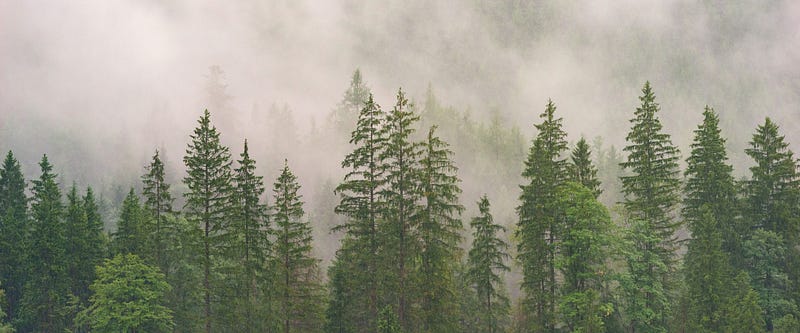
In nature, there’s a balance between survival and death.
The mountain doesn’t care if you survive while walking on it’s trails. In some ways, it will be refueled by the decay of your body should your journey end there. The animals will feed off you gaining the nourishment they need for their survival.
The ocean doesn’t care if you can swim. It swallows you whole and chokes out the oxygen so algae and plankton can feed off your bones and sustain a new life force.
Nature has a way of bringing the inevitable end full circle.
Naturale literally requires death to survive.
When you get a lung transplant, you wait in your room for somebody in another hospital room to die. The staff unplugs the machines, the patient takes a few more breaths, the families say goodbye, and the body is taken off to be “harvested” for their organs. It’s a grim, grief-stricken moment for a family knowing they will never hug their loved one again.
And yet, oftentimes in a hospital room not too far away, a family gets the alert the stranger has passed and rejoices at their second chance. The patient’s chest cavity is hacked into, new lungs are dropped in, and old lungs are removed.
And our collective conscious moves on, sometimes completely unaware of the deeper lessons of sustenance, perseverance, hope, and sacrifice.
Day turns to night. Patients are sent home or to the morgue. The trail stretches onward. The mountain looms higher. The animals feed.