
When The Sea Is Most Beautiful
Is it wrong to like The Sunny Island when it’s not sunny?
My grandmother lives in the most famous resort on the Polish shore of the Baltic sea. Its name is scary for non-Polish speakers, but due to the closeness with the German border, Świnoujście often has foreign guests. The word guests feels wrong, as it’s technically more straightforward to get there from Germany than from Poland.
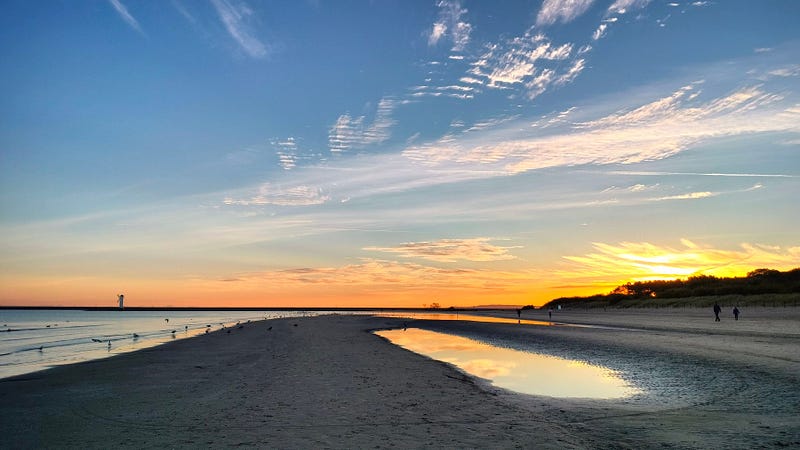
Świnoujście is mainly located on Usedom, of which 80% belongs to Germany. The Usedom island is sometimes called Sonneninsel, meaning The Sunny Island for being the sunniest region of both Germany and Poland — but I do prefer it in autumn and winter. Why?
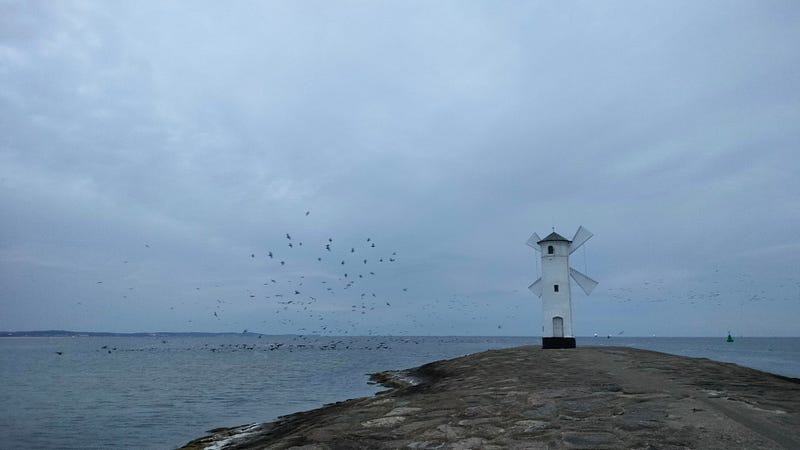
Where is that Sunny Island?
If you compare Poland to a square, Usedom with Świnoujście is exactly in the upper left corner.
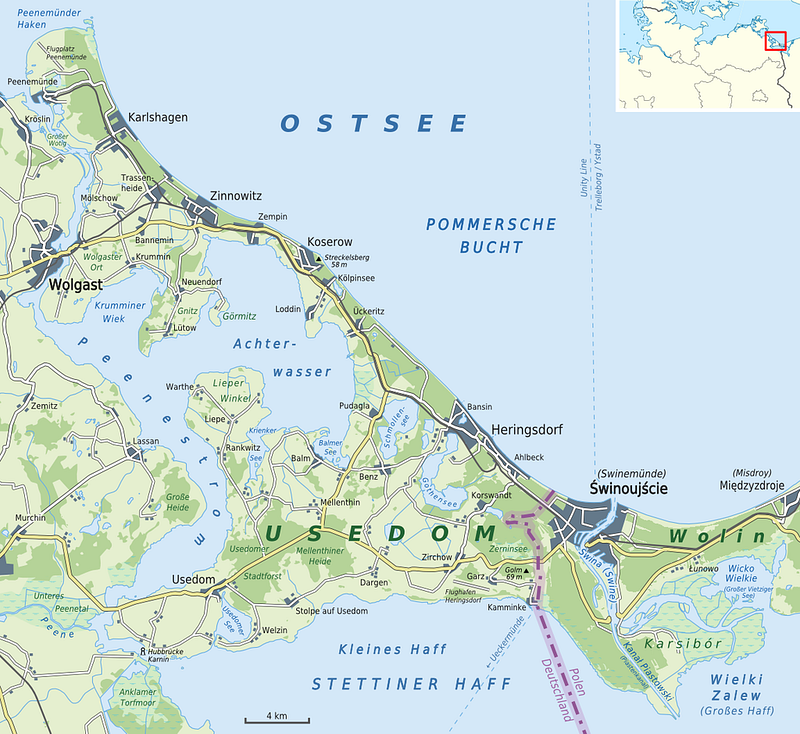
As you can see on the map, there’s quite a lot of water here. Świnoujście is present on 47 islands, with Usedom (Uznam) and Wolin being the largest — and here we’re talking only about a small part of the map.
The interesting thing about Świnoujście is also that to arrive there from the Polish side you need a ferry. There are no bridges between Wolin and Usedom or Karsibór and Usedom. A tunnel is currently under construction and is supposed to be finished in 2023.
How Świnoujście looks like?
Świnoujście seems like a small city, but when it comes to the actual area, it’s the 9th largest city in Poland. If you look at the map above you’ll see that the city area is much larger than the area where buildings are located.
And what about the buildings?
Świnoujście looks like a Polish northwestern city, with a mix of red old brick, beautiful seaside villas, and modernist apartment complexes.
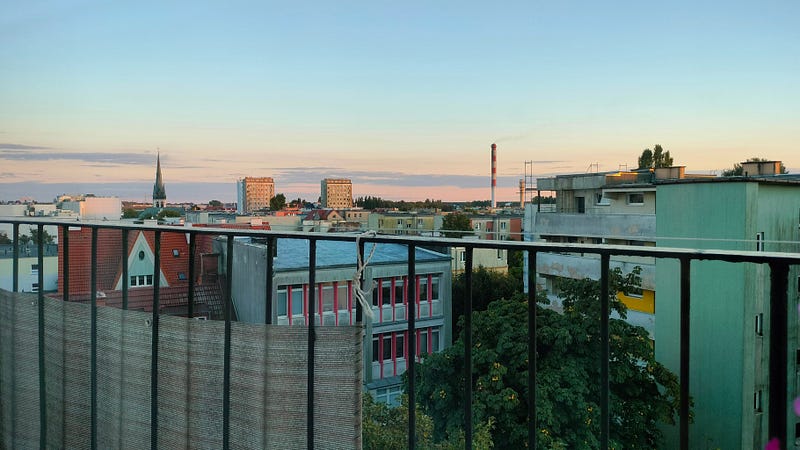
Closeness to the German border makes Świnoujście a relatively pricey town by Polish standards. It’s pricey enough that the city council gives out some extra money to its citizens in the summer, who suffer from needing to pay the same fees as tourists in the shops.
But it also means that Świnoujście has guests not only from Poland but also from outside the country. Some people decide to sleep on the German side of Usedom and enjoy the loudest part of the island on the Polish side during the day. During the summer months, it may surprise you how many people can actually fit on those beaches.
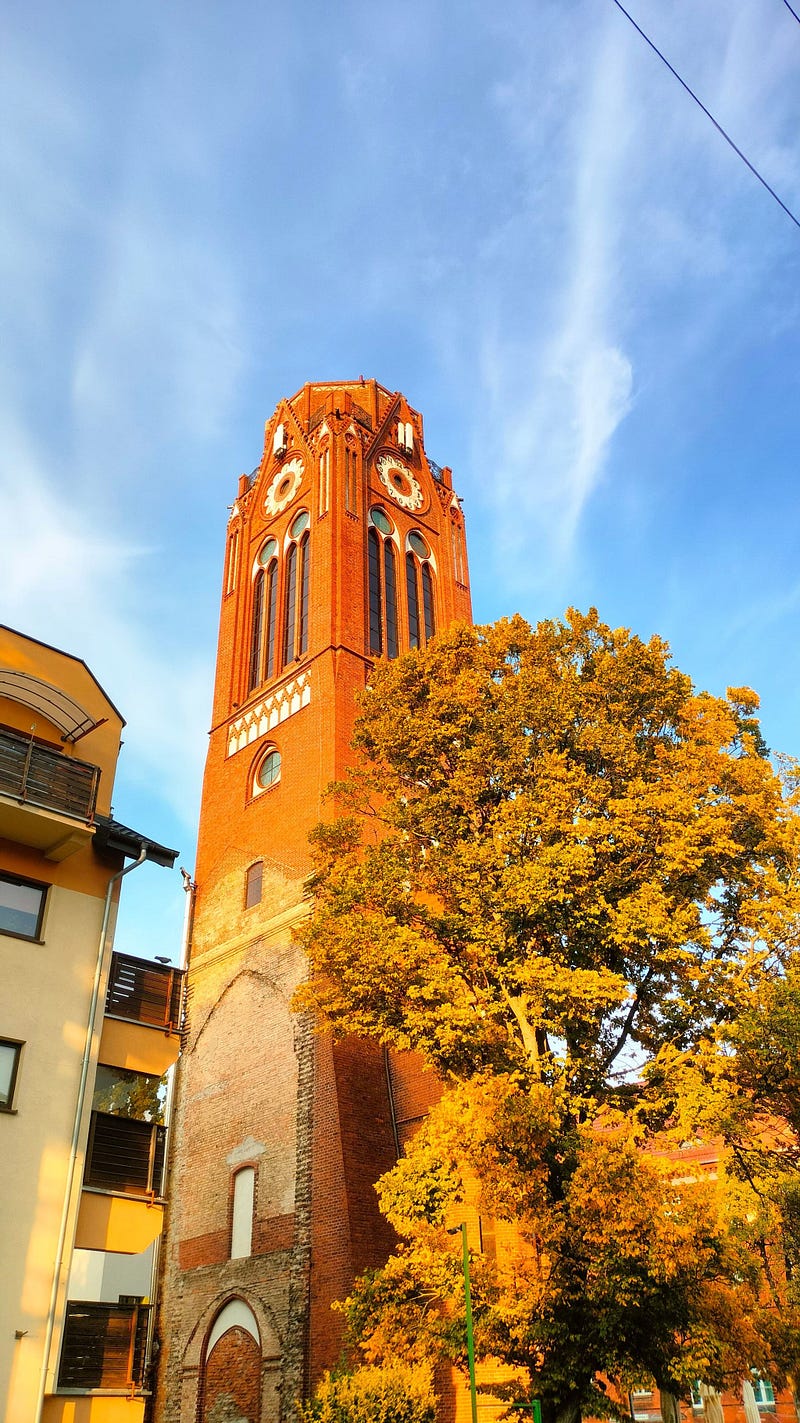
Closeness to the German border also means common investments, for example in the Uznam train, running as if the border between the two countries wasn’t there. The same goes with renting a city bike — you can easily take a bike from Świnoujście and leave it in Ahlbeck without problems.
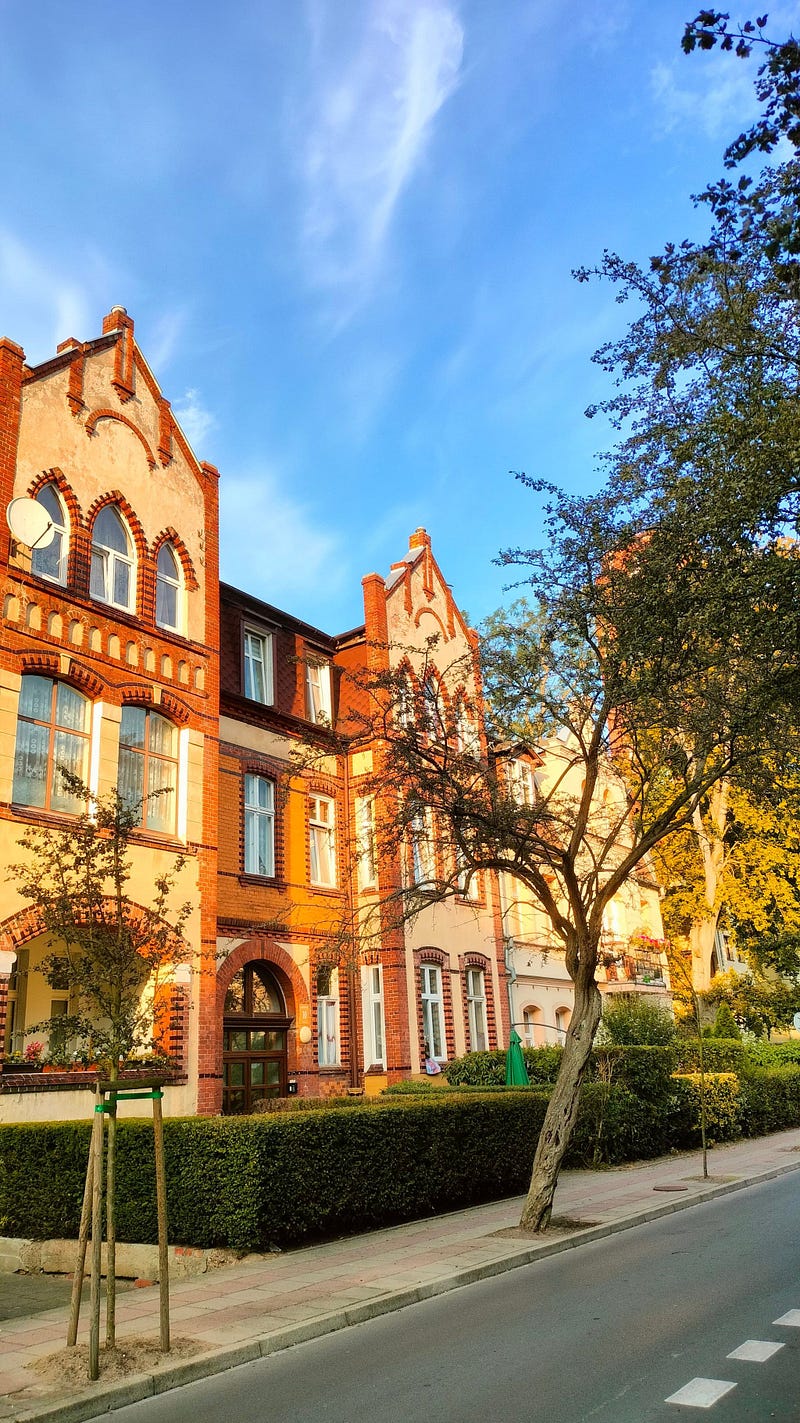
Świnoujście is not only the Usedom part. It’s not only the Wolin part either, we still have 45 islands left. One of them is Karsibór, with fields and village-like architecture. This part is definitely less busy than the Usedom part of the city, but it still enjoys quite a number of visitors looking for peace and quiet.
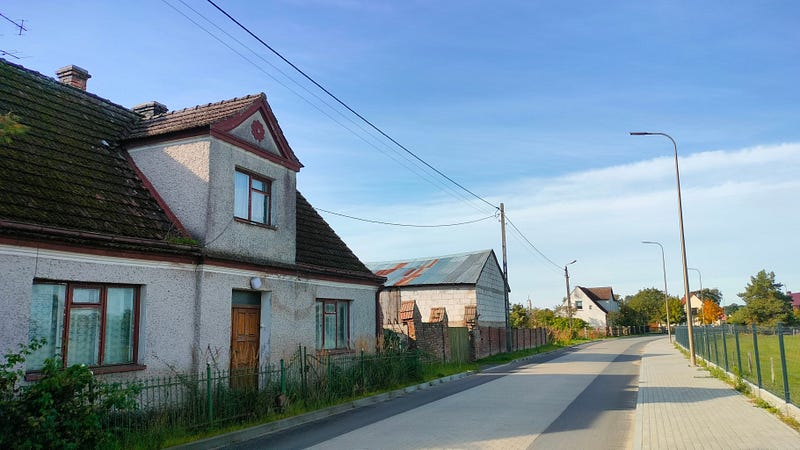
I will come back to Karsibór in a moment when I’ll talk about the Karsibór bird reserve.
Nature (and birds) of Usedom
Świnoujście is an extremely busy resort from June to August. But in September, fewer and fewer people come to Sunny Island, and more and more birds use the uninhabited islands and marshes to rest before going on with bird migrations.
I recommend going for a walk on those wide beaches with extremely soft sand in the morning, especially after a windy night.
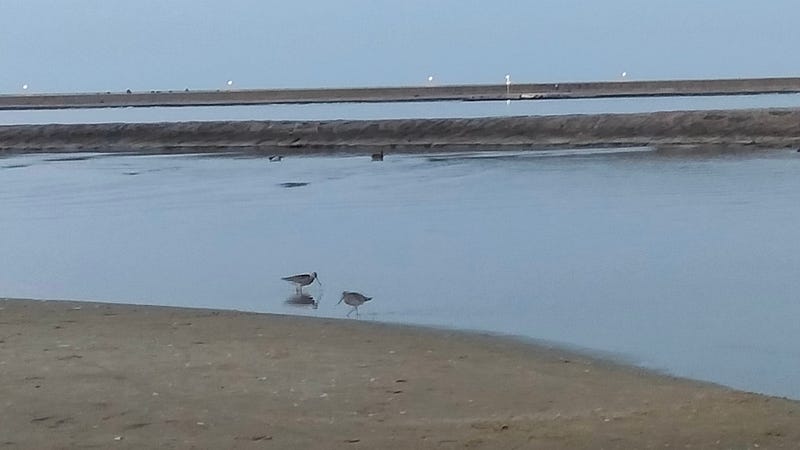
All the food and seashells are ready for the waders to eat, and the waders are ready for you to photograph or record them.
In the photo above you’ll see two dunlins, enjoying the content of the puddle.
I just need to warn you that most of the time, Świnoujście is extremely windy. I somehow managed to record some bird sounds in the midst of that wind, but my wind protection was really tired afterward.
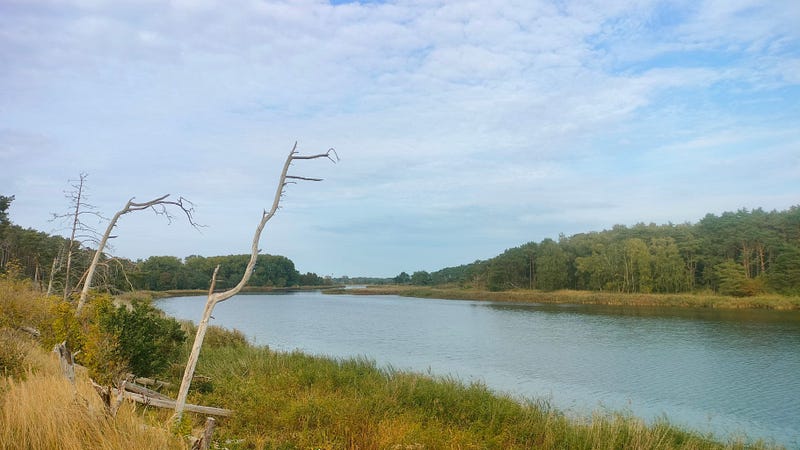
It’s hard to write about Świnoujście. The area you can define as Świnoujście is extremely large for a city of this size, and whatever direction you’ll go, you’ll find a place that suits birdwatching and nature exploring needs differently.
During the summer, you can almost not see the plants, rocks, and animals under all the people who try to enjoy it — but autumn reverses this state. This is why outside of season Świnoujście has the extra calm to it — the lack of noise is so loud.
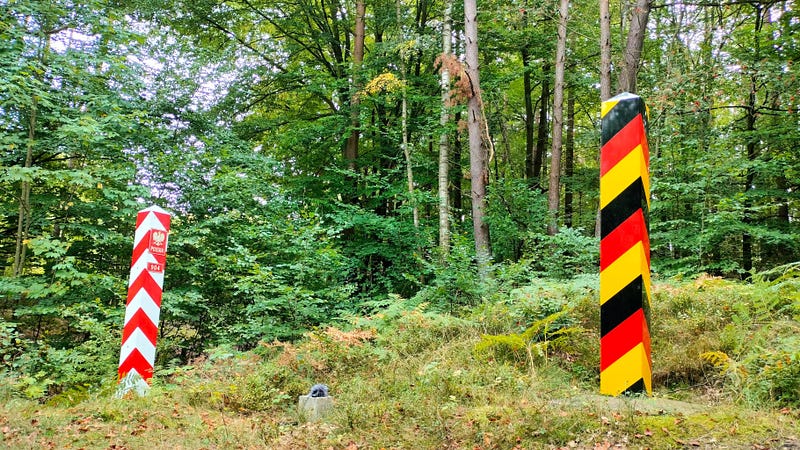
I’ve told you that we’ll come back to Karsibór and we will.
This is the side of Świnoujście that is less busy even during the summer. Karsibór is located by the Szczecin Lagoon, and here you’ll find a large bird reserve and a small village-like district.
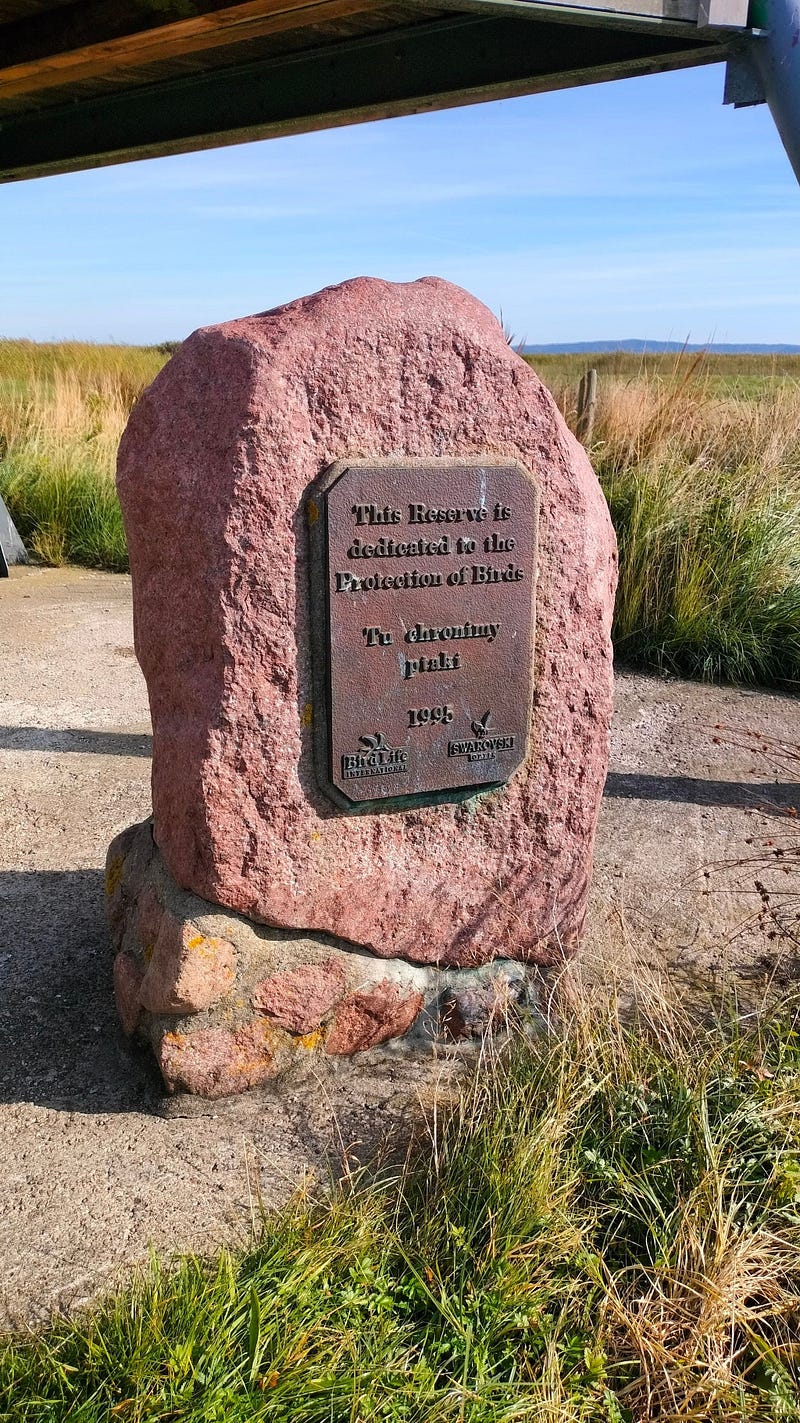
The bird reserve has very few roads or paths. It’s mostly a giant area of marshes and reeds.
It clearly had birds in mind instead of humans, as it should be. Sometimes also cows from farms nearby pay a visit to one of the fields located in the middle of the reserve.
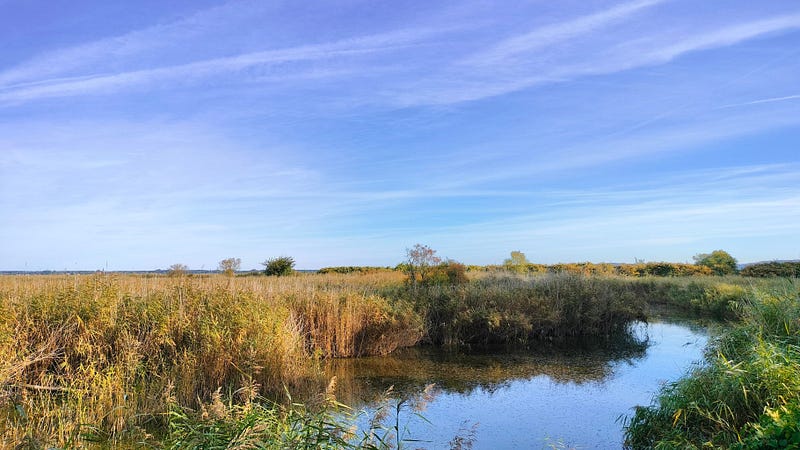
It makes it a difficult place to record birds — they are hidden deep in the marsh and it’s hard to get close to them without getting noticed or drowning — but photographers and birdwatchers can enjoy structures made especially for spotting birds from above.
In Poland, not every region gets the winter holidays in the same time. The northwestern region has a different schedule than the Greater Poland region where I live, so whenever I was visiting my grandma as a child, the streets were empty. They were empty because of a lack of tourism, some hotels and shops were closed out of the season, but every child was staying at school during those 2 weeks.
I was often walking on the beach to breathe in the iodine. Extreme winds cause all the light and dry sand to travel from one place to another like beige serpents. The only people you could meet there were extremely ambitious pensioners from the German side of the island, and dog owners.
You almost forget that just in a couple of months you almost won’t be able to see the sand under all the people enjoying this place.


