
When the only way in and out is software
“The 1st intervention — and the most overlooked — is to maximize output from agriculture, which employs the vast majority of people in poor countries. […]. The second intervention — in many respects, a second “stage” — is to direct investment and entrepreneurs towards manufacturing. […] Finally, interventions in the financial sector to focus capital on intensive, small-scale agriculture and on manufacturing development provide the third key to accelerated economic transformation.”
How Asia Works, Joe Studwell
Education has always been strongly tied to credentialing. Its evolution has developed exponentially in the past decades, bringing uncertainty, unrestfulness and disruption to more traditional systems. The traditional education system relies heavily on network effects as building a brand can take decades — if not centuries — of consistent work.
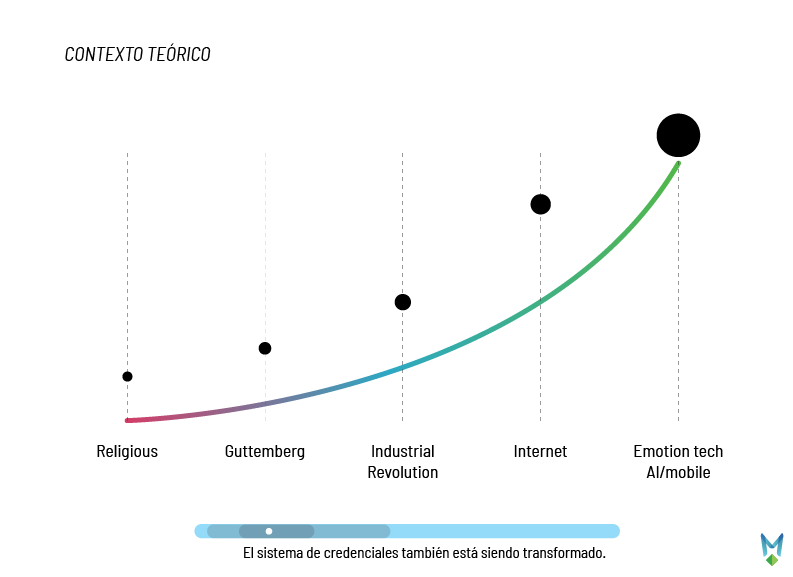
Today’s current crisis transcends access thou in developing and poor countries this remains a strong barrier for sustainable social development. Today’s universities have got to the point of recurring to MOOCs to validate their quality and relevancy. Today’s workers require more than a title and standardized test scores to be proven valuable for organizations — public or private. And as the “collective” eye grows — amplified by social media and the magic of network effects — disinformation and self-agency have become more and more important.
In regions where access to land is difficult, the development of economies based on services and technological innovation can become vital. We saw this with countries like Singapore, Japan and South Korea. But just as technology can be very good or very bad, so can be an economy based on services and IT development. If in the 1st place, only a few have access to this “software revolution”, the gaps will do everything but diminish.
At a macro level and assuming we are past feudalism or colonialism (thou with clear, persistent consequences up to this day), countries are competing to be the best.
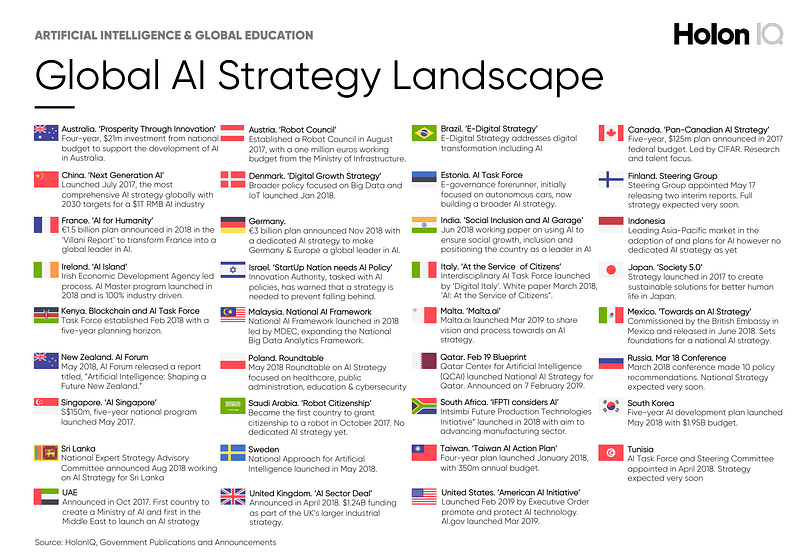
“Governments that are serious about broad-based economic development will continue to cajole domestic entrepreneurs to go into manufacturing and to learn to produce globally competitive manufacturing goods. To this end, subsidy and protection must be extended, but with the ever-present discipline provided by competition.”
In Colombia and most countries in Latin America, access to land is a luxury. With almost half of the population being unable to graduate from high school — and only 10% of those 50% who do being able to attend and complete grad school — ways out, in the larger definition of the word, are Black Swans or the result of other types of education.


