avatarZuzanna Żak

Summary

The website content discusses the onomatopoeic nature of certain bird names, which are derived from the sounds the birds make.

Abstract

The article delves into the fascinating phenomenon of birds whose names are onomatopoeic, reflecting the sounds they produce. It highlights examples such as the chiffchaff, cuckoo, and corn bunting, illustrating how their names in various languages mimic their distinctive calls. The chiffchaff, a small warbler, is noted for its easy-to-hear but hard-to-see nature. The cuckoo is recognized for its iconic call that has been represented in multiple languages. The corn bunting, while having a less onomatopoeic English name, is appreciated for its complex song that is likened to the sound of wind blowing through reed or old doors creaking. The article also points out that some names retain their onomatopoeic quality across languages, allowing people to connect the name to the bird's song over time.

Opinions

  • The author finds the practice of naming birds after their calls to be the "greatest" method, despite its complexity.
  • There is an appreciation for the Polish name of the corn bunting, which captures the onomatopoeic essence better than its English counterpart.
  • The author expresses a preference for bird names that have remained onomatopoeic over time, as it helps maintain a link between the name and the bird's song.
  • The author describes the song of the corn bunting as "weird and complicated" yet "quite pleasant."
  • The article suggests that the onomatopoeic nature of bird names is a "cute" way to name birds.

When birds introduce themselves

ˈt͡ʃɪf.t͡ʃæf, ˈpɔṭʃɛʃʧ̑, and other birds with onomatopoeic names

It’s not only cats in Egypt and pokemon in Nintendo games who tried to make humans call them by their names. Personally, I think this is the greatest, even if complicated, way to name an animal — from the sound they usually make.
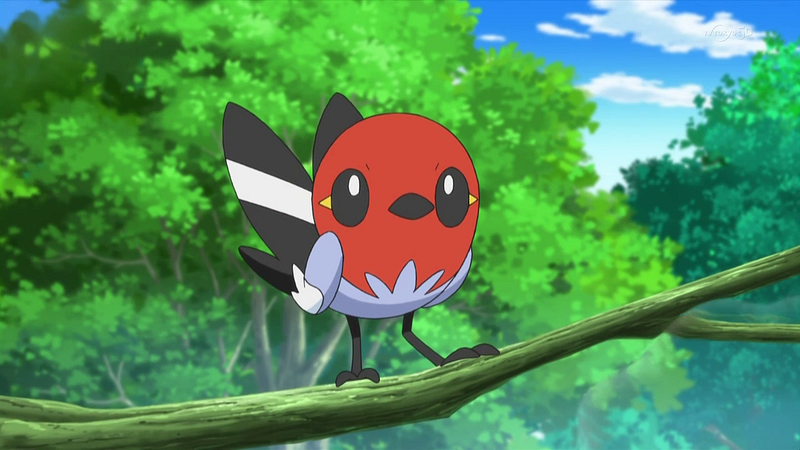
Fletchling, based on the Japanese robin.

With time, some bird names aren’t similar to the sound they make anymore, at least not in written form. But here are three examples of birds, who really try to make us remember their name.

ˈt͡ʃɪf.t͡ʃæf

A chiffchaff is one of the small birds that are easier to distinguish by sound than by looks. Small warbler, one of the many with brown back and light stomach.

ˈkʊkuː

The most popular example is present in an onomatopoeic form in multiple languages. Even if June is a moment when they tend to change the usual cuckoo into other calls, ˈkʊkuː stuck around.

ˈpɔṭʃɛʃʧ̑

This one is a tough call — I like the Polish name enough to add it to the list, even though the English one doesn’t have the onomatopoeic feature. ʃʧ̑ʃʧ̑ʃʧ̑ sound often used to describe the melody of old doors being opened or wind blowing through the reed, is used in the name of the corn bunting, with the literal translation being close to crackle. With corn bunting, their song is weird and complicated, but I still find it quite pleasant.

Some of the names are only onomatopoeic in one of the languages, and I really appreciate when the name stuck around long enough for us to still link it to the bird song.

I think that this is the cutest way to name a bird.

Liked the story? Gain access to more stories like this on Medium.

Birds
Nature
Language
Poland
English
Recommended from ReadMedium