
When Preparing for the Digital Nomad Life, Technology is Key
Here’s what you need to do to ensure your tech is suitable before you start.
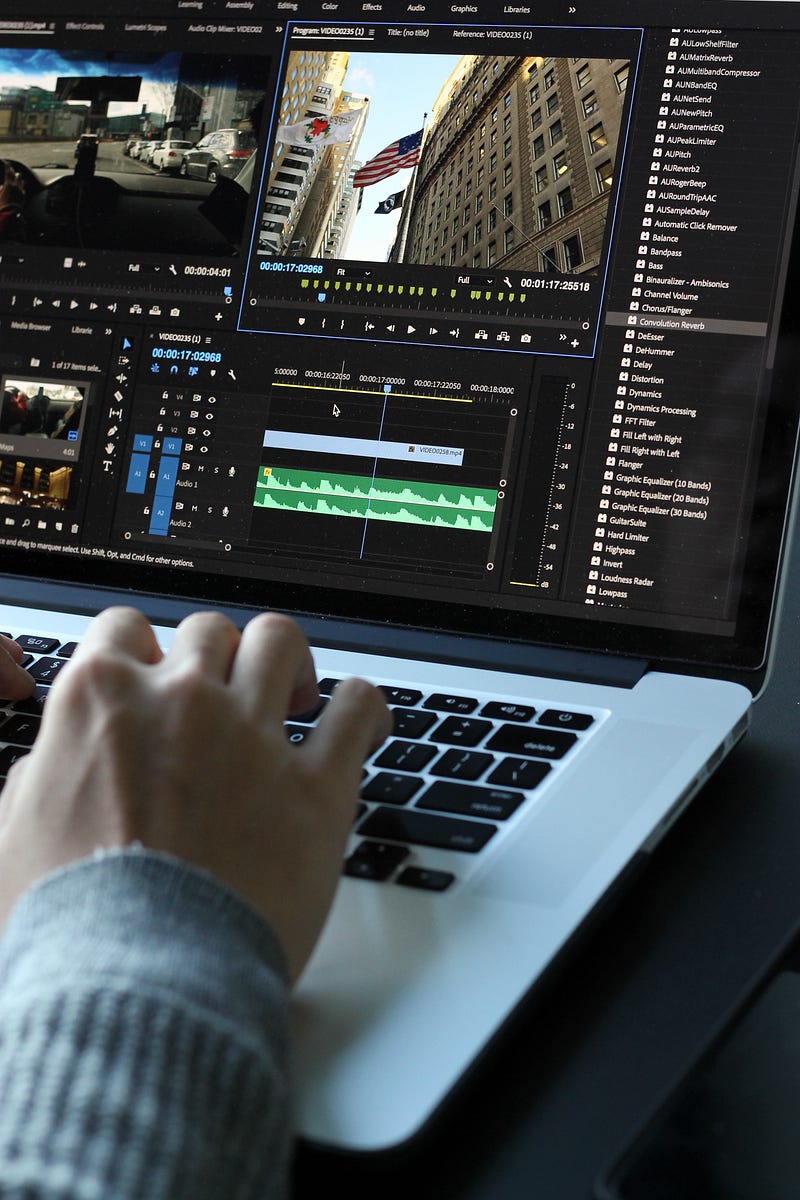
When planning to become a digital nomad, there is one aspect you cannot ignore — technology. Sure, many nomads who work remotely only need technology for remote Zoom calls, Office applications, and similarly basic stuff. Sure, the work itself with these applications can be complex, but they demand little RAM or CPU processing. Hence for most digital nomads, technology is little more than an afterthought.
However, for others, this couldn’t be further from the truth.
Reaching the limits
Let me contextualise this using a recent situation from my own personal experience. Without going into detail or sharing links, one of my other side hustles involves editing videos. I finally hit the 1-hour mark on a video for the first time.
While that video is among the best I’ve ever made, it’s been an absolute nightmare to render. I first left the video to render overnight only to find a rendering error occurred upon completion. So I had to do it again.
Fortunately, the same error did not happen again. However, what did happen was another 8 hours of waiting for my video to finish rendering, leaving me unable to use my computer before it was done.
I think you can tell where I’m going with this. If you too do similarly demanding work like me, you must avoid situations like this happening when you’re abroad. You must ensure your technology is suitable.
The tricky balance
There is a balance you must strike working while you travel. You need the right technology for your trip that helps you work efficiently, while not also breaking the bank or transport regulations. There’s no point having all the newest technology if you’re not able to take it on planes or across borders, likewise, if you don’t need all it has to offer.
Additionally, the possibility somebody targets and steals your tech exists. In the event this happens, you need the money and means to replace your technology as quickly and cheaply as possible. Yep, this can happen anywhere worldwide, even in the safest countries. Like all aspects of travel, there is always an element of risk.
This is further complicated by the lack of specialist advice. You can’t build your own desktop PC as you can’t take that with you. Additionally, most nomads don’t need more technically demanding specs hence typical recommendations are often unsuitable.
The entertainment aspect
This is another aspect of technology nomads must consider. When you’re not working, what tech do you have? What will you use it for? Mobile phones are obvious, but you will need dual sim slots and other strategies to get around region restrictions and data caps. This is especially the case if you’re travelling outside the European Union.
You will also need a VPN to get around regional restrictions. This is especially so if you’re in a country known for censorship, or you want to watch or play region-exclusive content. This applies mainly to streaming platforms like Netflix and Paramount+, plus also extends to other things like video games (you need a VPN to play the Japan-exclusive MMO Dragon Quest X for example).
Speaking of video games, this also requires its’ own specialist considerations, especially if you play on dedicated games consoles or PC. I plan to write a separate blog post on this soon because there is too much to explain here.
Also, while I’m discussing VPNs, yes, some nomads use VPNs to deceive their employers to work abroad without formal clearance. However, that’s a bad idea as you will eventually get caught. Don’t do it.
What is the solution to the balancing act?
Take a moment to pinpoint what you use your technology for now and what you would use it for when abroad. Work takes priority, but leisure is also important.
Do your own research on what the specs of your current technology are vs what is recommended your specs are for what you do. If you need more powerful specs, you need to upgrade. Use recommendations from specialist tech websites as a baseline.
When acquiring new technology, try to do it as cheaply and sustainably as possible. Consider going 2nd hand or repurposing your existing technology rather than buying a whole new rig.
If you have the skills, you could attempt to build or mod your own PC yourself to save even more money. If you need somebody else to do it, contact local businesses before large corporations.
When you’re done, you can also sell your older technology to recoup some of the costs or even pass on your older tech to somebody else who needs it.
Final thoughts
Preparing your technology is a long-term part of planning to become a digital nomad. It’s OK to make mistakes in the process. What matters is ensuring you get things right before you leave to ensure your transition to remote working abroad is a resounding success.
Thanks for reading! If you want to support my work, you can do so in the following ways:
- subscribe to me so you get an email whenever I publish something new https://nomadmills.medium.com/subscribe
- become a member on Medium, granting you unlimited access to my articles (alongside everyone else’s on here) https://medium.com/@nomadmills/membership
I will receive a portion of the membership fees, which ensures I can keep doing what I love. Thank you so much!


