
When My Students Ask How Old I Am
This is how I approach the topic
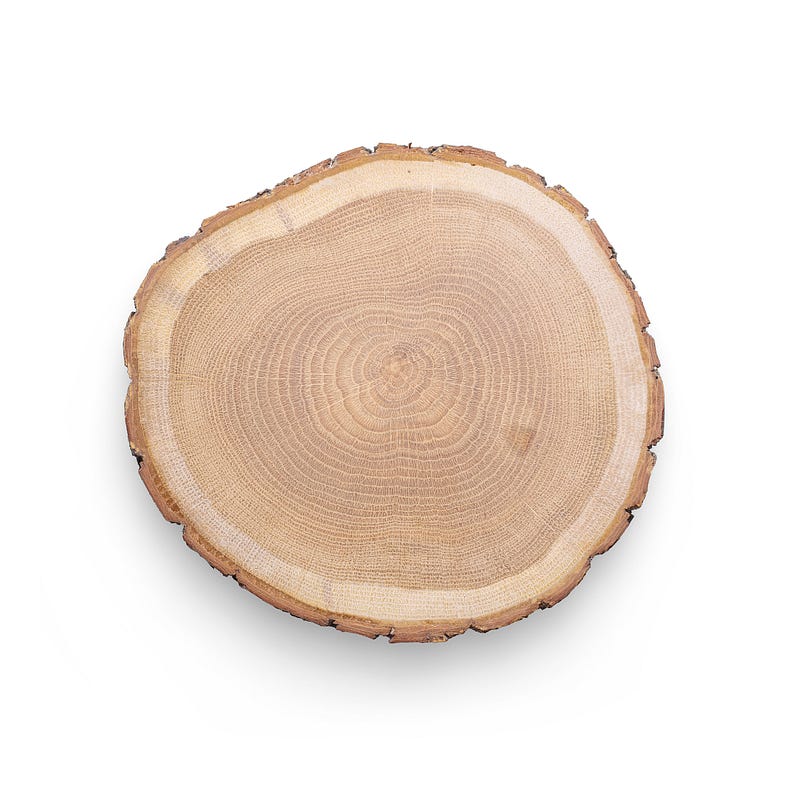
I am almost 65 years old, and my students often ask me how old I am. I’m not always sure why they want to know that, but they do. I rarely give them a straight answer. Numbers mean so little to them. Does a 15-year-old student really know the difference between being 35 and 45? Do they know the difference between 50 and 60? To them, it’s all just “old.” They have few points of reference.
They know that I am older than their parents, but they don’t realize I am also old enough to be their grandparent. I am probably older than their grandparents, come to think of it. Beyond that, however, the numbers don’t mean much.
Student: Mr. E? How old are you?
Me: How old do you think I am?
Student: I don’t know. Maybe 45?
Me: You’re really good at this.
I always joke that I stopped telling my students that I was in the Army when they asked if I fought for the North or the South. I know, I know. I’ve told that one before.
So sue me.
Age is a tricky thing to convey to people who are significantly younger. I have found it is best to put my age in relation to something they are familiar with. Using familiar items helps them wrap their heads around a concept that is otherwise outside of their grasp.
Take food, for instance. I tell the students that I actually went to a McDonald's before they invented the Big Mac. You can almost hear the gasps. Maybe you’re gasping yourself, but it’s true. The biggest burger available when I was a kid was a double cheeseburger. They didn’t even have Chicken McNuggets yet. Can you believe it?
I’m older than Ronald McDonald by five years. You might say I remember when Ronald McDonald was born.
There was no such place as Five Guys or Popeyes. There was no such place as Wendys either. There was no Olive Garden or Carrabas. There was no Panda Express or Taco Bell. We didn’t even have Gatorade.
My students probably think we hunted for our food with spears.
If food isn’t an effective way to get the point across, I use the prices of common items as a point of reference. Imagine the look of surprise on my students’ faces when I tell them gasoline cost 35 cents per gallon when I bought my first car, or that a mug of root beer cost 10 cents (25 cents for a large one) at the local A&W. They think I’m lying when I say a McDonald's hamburger was only 19 cents.
They can’t believe I had a job in high school that paid only $1.75 per hour. They don’t understand why I would work for so little.
If food or prices don’t get the message across, I can always explain what technology was available when I was young. When I tell my students we had a black-and-white television when I was growing up, they have a difficult time picturing it. They have never seen one. The only things they have ever seen in black and white are old movies they don’t want to watch.
Just for fun, sometimes I ask the students what kind of cell phone they think I had in high school. The most common response is a flip phone. When I tell them there were no such things as cell phones when I was their age, they are surprised. In their world, there have always been cell phones. They cannot imagine a world in which there is no internet either.
They don’t know what I mean when I say they sound like a broken record.
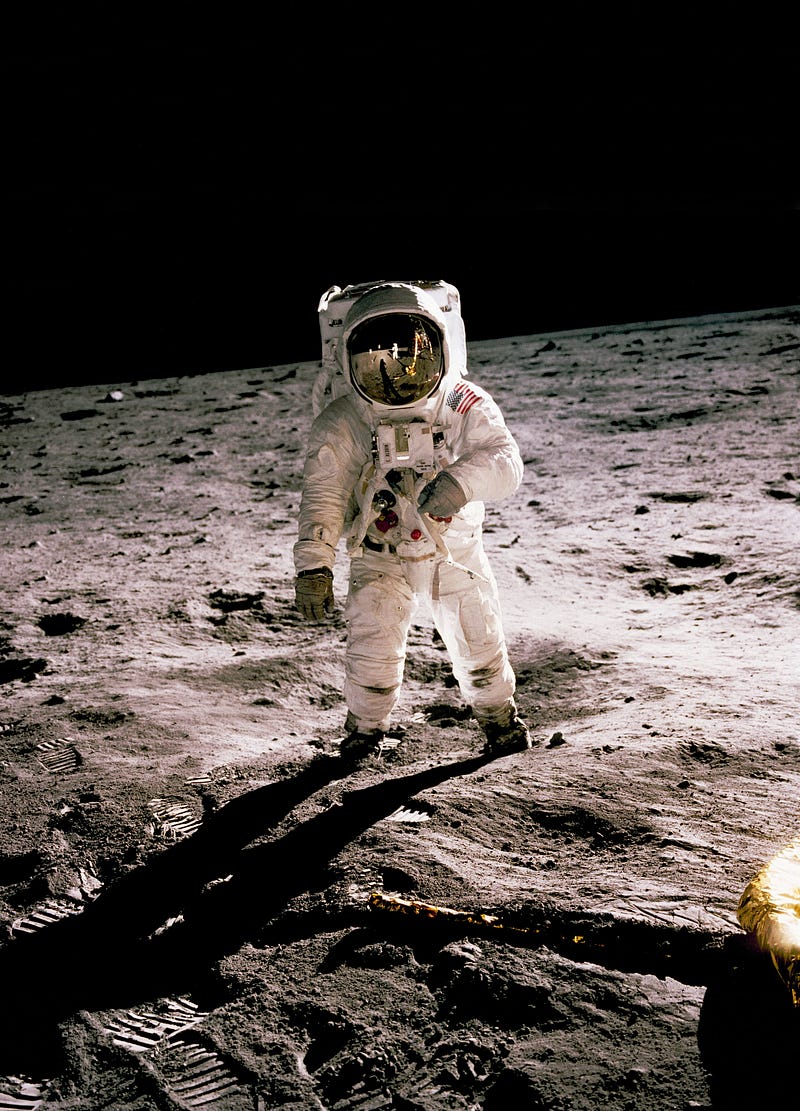
Historical events are another avenue for me to go down when trying to explain how old I am. When we read the “I Have a Dream” speech by Martin Luther King, I tell them I remember the day he was killed.
Their mouths drop open.
“You were alive then?” they ask.
“I was.”
Then I go on to tell them I remember when John Kennedy was assassinated, when the U.S. landed on the moon, and that I watched the first Superbowl. They look astonished.
“Whoa, Mr. E. You watched the first Superbowl? You’re old,” they say.
I point to the American flag hanging on the wall.
“See that flag? It only had 48 stars on it when I was born.”
“OMG Mr. E. Are you kidding?”
“Not at all,” I tell them.
When they ask me what it was like when I was in high school, I tell them we only had Algebra I.
“There weren’t enough numbers for Algebra II yet,” I say. Then I pause to see their reaction. My mind is busy sorting the gullible from the less gullible.
Some of them start to suspect I am pulling their leg. This suspicion is confirmed when I say that U.S. history was only a one-semester course when I was in high school because none of the stuff in the second semester happened yet.
I’m thinking seriously about calling in sick on Monday. When the students ask me where I was, I will tell them I was in lockup because of a bar fight I got into on Saturday night.
Some of my students will think I’m kidding. I like that.