
When Media Was Trusted
Was Media Ever Trusted? An opinion From the Mountain
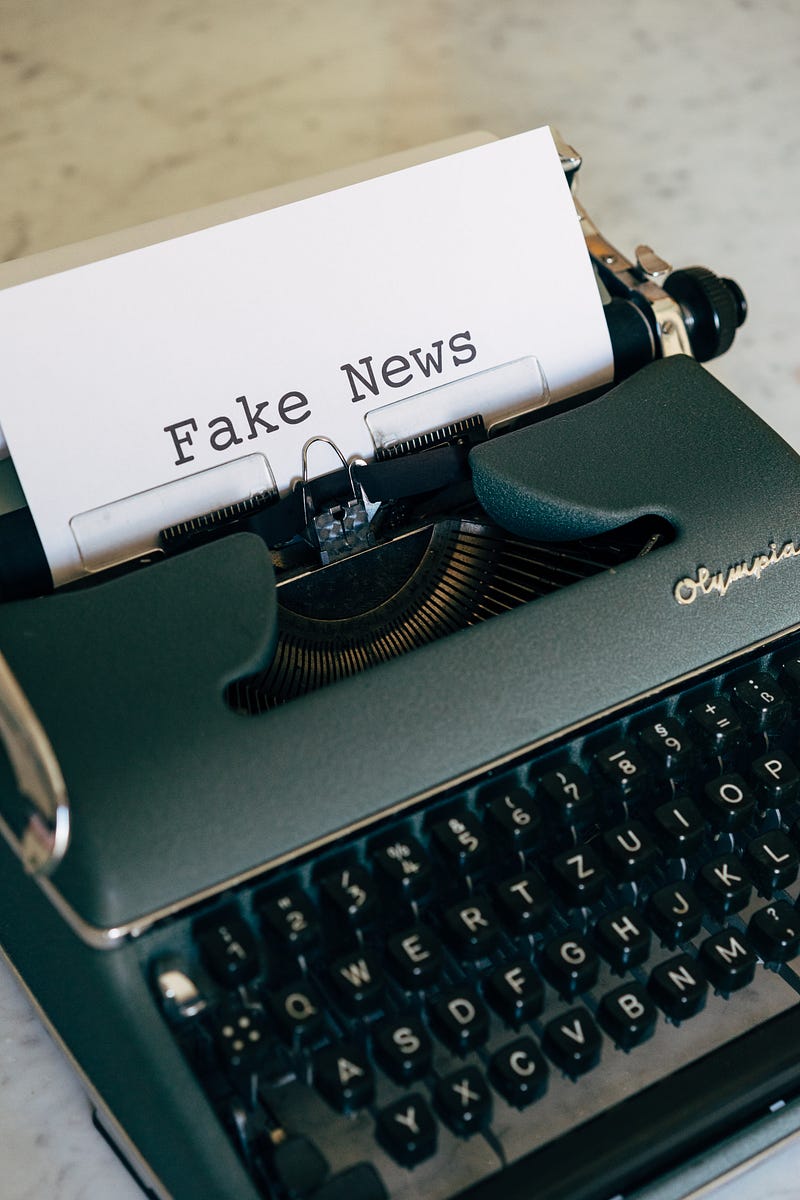
For many years I’ve been of the opinion that Huntley and Brinkley were the epitomai of straight journalism. But I’m not so sure now. They, along with David Brinkley, Mike Wallace, Edward Murrow were investigative journalists trusted to tell the truth.
But, who’s truth did they report on? Investigative journalism demands days, weeks, and even months of travel and on-site investigation. In the 50s and 60s that was work… hard work. And it still is.
Don’t get me wrong. They were straight shooters back then, not siding with Republicans or Democrats, the Left or the Right, with few exceptions. David Brinkley finally took a side against the war in Viet Nam by the late 60s.
But their data, their information, typically came from government sources. For comparison's sake, remember that most all information, all data, came via government sources in the 20th century.
Media today has access to technology that keeps journalists more informed with more depth and more data, more sources worldwide, and with quicker access than anyone would have dreamed possible 60 years ago.
Why was media more trusted in the past?
I have always believed that journalism of the past was more honest, more factual, and more trustworthy. Many feel as I do I believe. How could you not trust Huntley & Brinkley? How could you not listen to Edward Murrow? And more recently, of course, 60 Minutes and their variety of journalists.
But then one needs an answer the question: “whose truth were they reporting?” Information in the 20th century, at least up to the technology boom, came from “sources”, typically government sources when national and international stories were being reported upon. Is the govt. a trusting source for your daily news? Not in my opinion.
This leads me to the conclusion that journalism was, in effect, controlled by the government because the government controlled the source of and access to all the data and information. So looking back, why would I believe journalism was purer, more factual, more correct… and importantly, more trustworthy?
Good question. Well, to be honest, I no longer do. Technology now allows everyone with unparalleled access to data and facts. The only difference now is, who does what with the information.
Why is the media so mistrusted today?
To be truly informed, an individual must read multiple approaches from multiple sources. While there may be at least a smidgen of truth to every point of view, not one source of news today contains 100% of the truth or the facts.
Media today leans either right or left in varying degrees. If one sticks to just a viewpoint because it facilitates their belief system as to what is factual, then they are missing at least half the story, probably much more. To find the truth multiple sources are required.
Do I trust journalism today over that of the 50s and 60s? I do, but why? Two reasons basically.
First is the blatant misuse of data represented as fact. Fox News, Newsmax, and OAN come to mind. Also not presenting all the facts, just those that conveniently fit an agenda (most, but not all media).
Second, simply because journalists today have far more freedom. They are more independent. The reasoning here is due to their incredible access to information from hundreds and thousands of sources. If all journalists, all media, using this information as it should be, it would assist in keeping our government honest and our citizens informed.
Sadly that isn’t what’s happening. At least not yet. This is why to be informed of the truth it’s a necessity for individuals to consider alternative viewpoints, not simply one they agree with. This explains the “one side or the other” two-camp mentality. Very few people try to expand their intellectual or knowledge base.
Journalistic freedom and access to information as exists now didn’t exist in the 50s and 60s. So most of what we saw and heard was pretty straightforward. Their information came from the government when discussing national and international events. There was very little access to much more.
In The End…
It’s up to every individual to keep themselves informed. Our schools have failed in this respect. So has our citizenship.
I subscribe to a variety of media that I read daily (WSJ, Barrons, Forbes, Mother Jones, Rolling Stone, Fox News, Daily Beast, Reuters, and a couple more). This is how you build a base of knowledge.
There is no such thing as “fake news”. There is an issue with people who think they can “fake” intelligence. They are like drug addicts… high as a kite on what they believe they know as fact and believe no one else will notice they are clueless. Bet we do.
For an informative look at journalism in the 50s and 60s, check out this “History of American Journalism”.