
When I Buy a Concert Ticket, Who Gets Paid?
A quick breakdown of the mouths that get fed
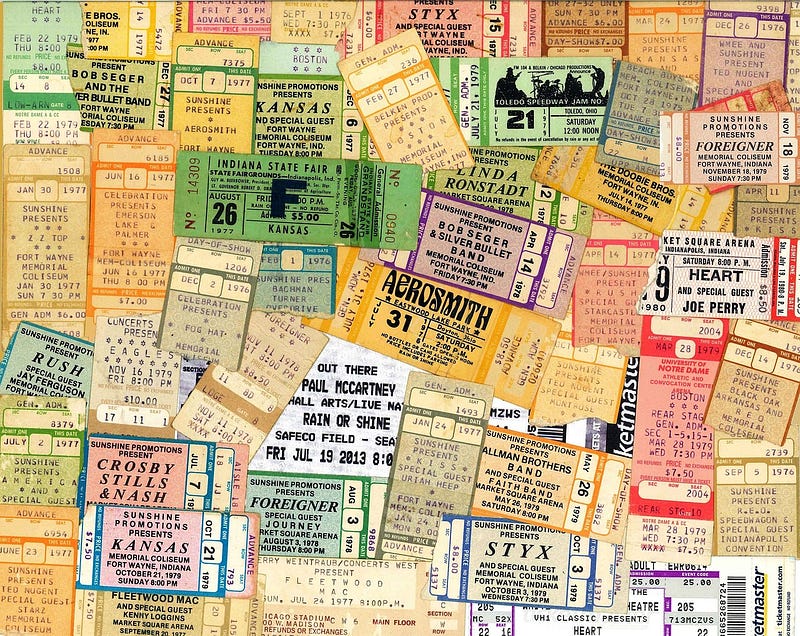
Just as the COVID-19 pandemic made everyone an amateur virologist (some more amateur than others), the Taylor Swift Eras Tour has turned us all into ticket pricing analysts.
Here’s an extremely general breakdown of the mouths that are fed when you buy a concert ticket, keeping in mind that (a) this refers to large shows, and (b) specifics vary widely based on contracts and all that good stuff.
SOME SORT OF GOVERNMENT
Depending on the jurisdiction, some governmental entity (or entities) will get in on the action. It might be called sales tax, entertainment tax, or whatever. The point is that a little slice of the pie gets claimed here.
THE TICKETING COMPANY
The company issuing the tickets needs to cover its costs (and then some). That’s where service fees, processing fees, and the like come in. These can be a percentage of the ticket price or a flat fee, and some are shared with the other players in the mix.
Regardless, there has been a lot of groaning about the consolidation in this industry that has allowed such companies (like Live Nation/Ticketmaster) to charge whatever they want, often sneaking in the pain just prior to checkout.
THE VENUE
Obviously, the venue hosting the event deserves a cut (rental fee), especially if the specific agreement requires it to provide staffing, security, as-needed medical care, and so on. Liability insurance is also a must. Of course, there’s some double dipping going on, as the same Live Nation mentioned above owns and operates various venues.
THE PROMOTER
This is the outfit that links the artist to the venue in the first place, all the while going to great lengths to market the event and make sure that a massive number of details fall into place. Needless to say, we’re not talking about volunteer work. Oh, and Live Nation can wear this hat too.
THE ARTIST
And finally, when you buy a concert ticket, the artist gets the rest. Keep in mind, however, that large bands have to split the pot among several members (and perhaps a record label), that only after expenses have been accounted for — the manager, roadies, sound crew, transportation, lodging, production costs (which can get out of control), etc. In some deals, artists are offered a guaranteed minimum to ensure they don’t actually lose money on a show and/or tour.
The bottom line:
- It’s a complex ecosystem.
- Taylor Swift is making decent money.


