
(HOW) HAVE LGBTQ FILM & LITERATURE SHAPED YOU?
When (Gay) LaLa Land Came to Texas
And Opened a Whole New World for Me
Growing up poor in Texas in the 1950s could be grim at times, particularly during the 7-year drought. The movies opened a window to another world of magic, mystery, and men. There weren’t any openly gay flicks, but I lusted over Brandon de Wilde in Shane, all the muscles in Spartacus, and Charlton Heston’s secret affair in Ben-Hur. Apparently, it was a secret even to him.
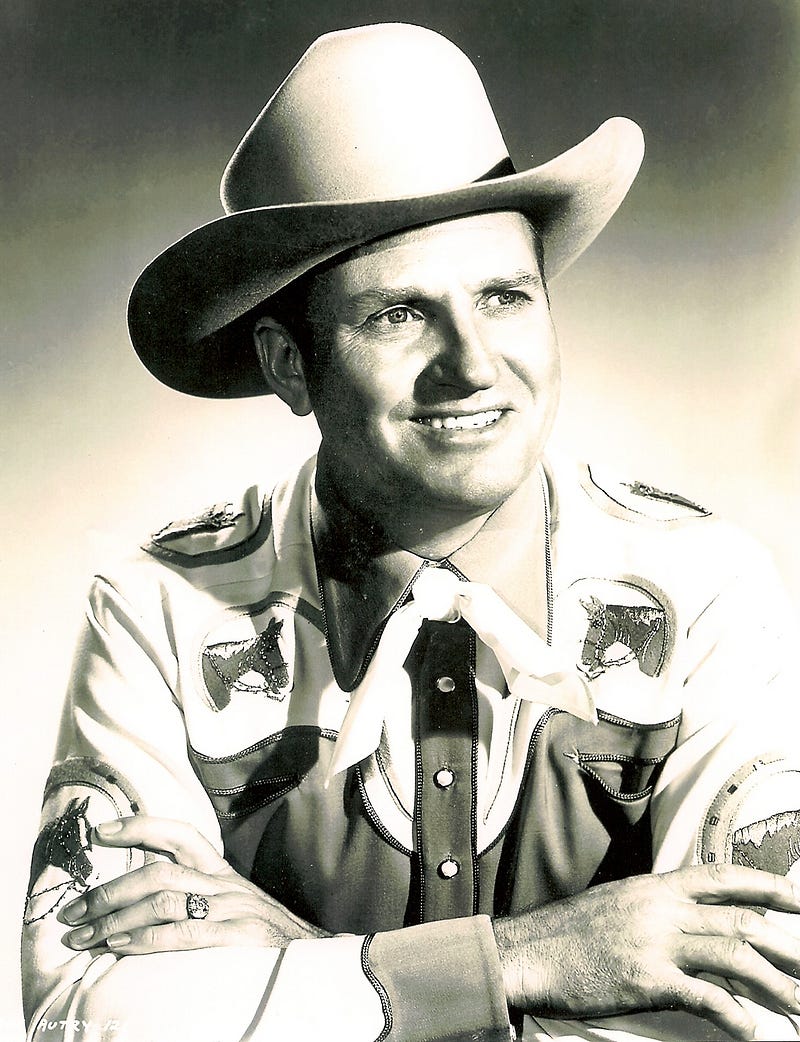
Saturday morning movies were 10 cents, cokes were 5 cents, and popcorn was 10 cents. I lived close enough that I could bike to the theater. When we lived in a small town in West Texas, Gene Autry came to visit the folks just across the street. He had come to perform in a rodeo. I never saw any other movie stars in person.
The movies opened a dream world of imagination where everything was beautiful and perfect. Even when I wasn’t in the theater, I could live in a world of dreams where I could write the script inside my head. In my dream world, we lived in Charlottesville, VA., and my father was a professor at the University of Virginia. I drove a sports car, and so did my friends. And yes, I could dream of having sex with a particular friend.
When we moved to Fort Worth, I remember going to the Palace and the Worth to see special roadshow productions, like My Fair Lady. I still have the hardbound program. They took the organ out of the Worth and moved to the Casa Manana theater for summer musicals. I remember driving over to Dallas to see a Cinerama production, and my sister and I got soaked in the rain walking from the parking garage. We had to sit through the whole thing freezing in the a/c.
Some Like it Hot was my first experience of movie characters in drag. Sid Caesar on The Show of Shows, and Milton Berle appeared on TV in drag regularly, but no one thought anything about it. As an adult, I lived with a drag queen for eight years. In 1950 my family toured the NBC studios, and the guide made fun of my Texas accent. I never made it to the film or TV studios in Los Angeles, but I did drive by the Beverly Hills Hotel.
I’ve tried to recall my favorite movie stars of that era. I wasn’t attracted to Rock Hudson, but in the 60s a friend clued me in and told me that Rock had a thing for University of Texas football players. He also had some claims about Sal Mineo. In retrospect, Mineo’s character in Rebel Without a Cause obviously was gay. His co-star James Dean later was revealed to be a star on the casting couch.
I thought Montgomery Clift was handsome but not particularly sexy. I wasn’t a fan of any specific star to swoon over or go to see his movies. I was more attracted to some of my fellow students in high school and college, even though I never acted on it.
My favorite movie of that era isn’t gay. Love is a Many Splendored Thing is a real tear-jerker, but I still like to watch it occasionally because it’s so beautiful and romantic.

This story is a response to the Prism & Pen writing prompt, (How) Have LGBTQ Film & Literature Shaped You?
Here are other brilliant stories based on this prompt:


