
Poetry
When Forgiveness Is a Betrayal and an Act of Immorality
GiaB ‘Dear Genie’ prompt #2: forgiveness
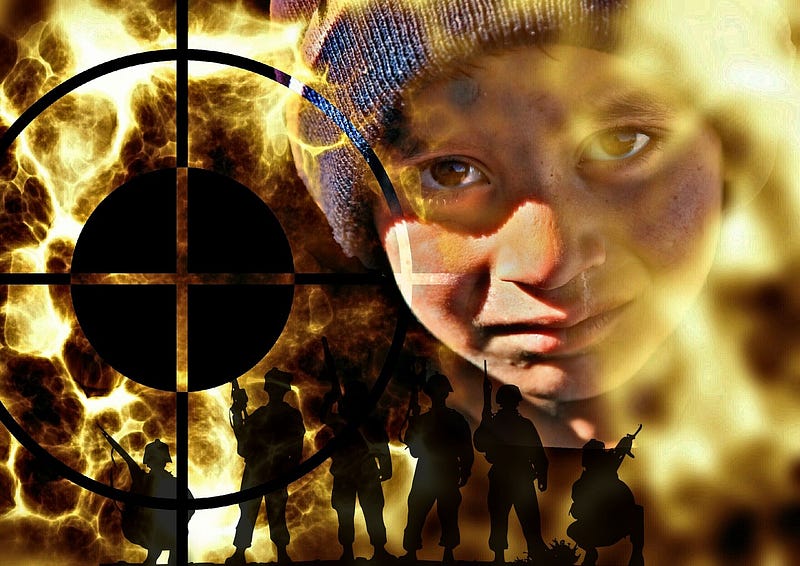
Buffeted by winds of war And cries for more Freedom of expression, unshackling from suppression People die neglected as the headlines fade No progress made in myriad nations Locked in dispossession
I watch dejected Peace plans rejected Statistics, graphs and charts, Victims an abstract art of Numbers, numbs the senses To offences
Who will agitate Against the power-hungry haters Perpetrators, cruel dictators? We are spectators Toothless commentators Tossing words at perpetrators
The world condemns but never acts Despite presented with the facts Proxy wars, brutal ambition Blind to humanity’s condition How can I sleep While many millions weep?
What holy mission could compel me to Invoke compassion For the crimes committed Atrocities inflicted Never admitted
I cannot forgive the unforgivable
Backstory
I can attest that forgiving others is incredibly healing. In my years in therapy I learned to forgive my Self and those who caused me pain, though I never condoned what they did to me, nor will I forget, but I could stand in their shoes and understand.
But as we celebrate Human Rights Day in South Africa on Sunday, 21 March, I approached forgiveness from a global perspective.
Recent events, such as the 10th anniversary of the war in Syria and the military coup on Myanmar, aroused my anger at the injustices in our world.
Channeling my emotions into poetry calmed my inner storm.
However, my unwillingness to forgive horrific transgressions evoked a sense of guilt.
“Who am I to judge?” I asked myself.
“It is easy to stand in judgment. Especially when it comes to others’ travesties. And when we are injured, or someone we love is injured, we are often blinded by our own pain and outrage. Part of our judgment may be a wish to separate ourselves from those who are capable of horrific transgressions. That is human. Yet how many of us are immune to our shadow side? In the heat of the moment or living in an unsafe, unjust, or violent environment, do we know what we would do?” — Roselle Kovitz, Conversations about Forgiveness.
In Judaism, according to the Torah, it is a mitzvah, a divine command, to forgive. The Torah explicitly forbids us to take revenge or to bear grudges (Leviticus 19:18). It also commands us, “Do not hate your brother in your heart.”
Jewish law rules that a person cannot get forgiveness from God for crimes committed against others.
- Offenders are required to express remorse, genuine repentance, and provide recompense to victims if necessary.
- Offenders must directly approach their victims — and ask for forgiveness three times.
The Buddha says,
“As rain falls equally on the just and the unjust Do not burden your heart with judgements But rain your kindness equally on all.”
I respect but cannot follow his guidance, unless the offenders express remorse. That’s unlikely to happen any time soon.
I promised Shaheena Chowdhury I would respond to her prompt on forgiveness. Despite ten days of load-shedding here in South Africa, I made the deadline.
Breaking a promise would be unforgivable!
Thank you for being here.